
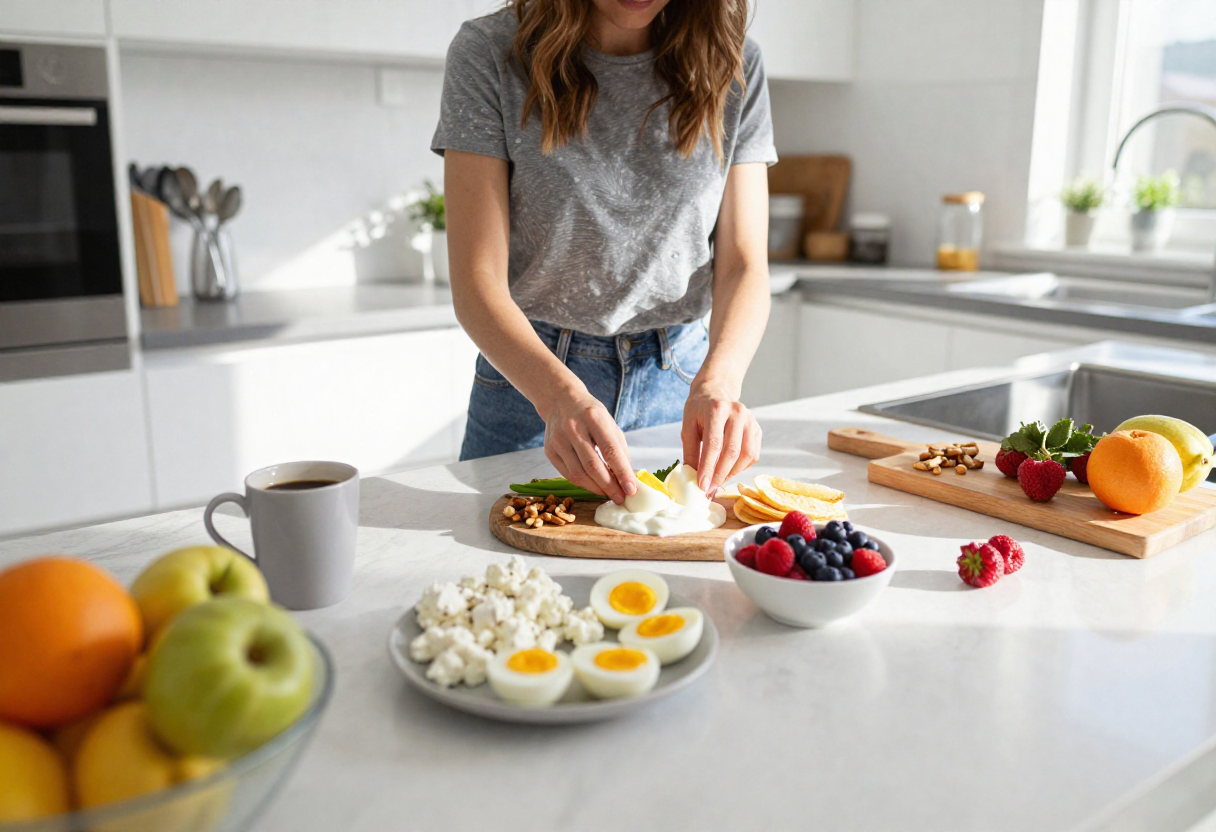
Snacking often gets a bad reputation, especially for anyone trying to lose weight or maintain energy throughout the day. But not all snacks are created equal. Choosing snacks that are high in protein and low in calories can help stabilize blood sugar, curb cravings, support muscle maintenance, and keep your metabolism active. The key is knowing which snacks deliver maximum satiety without sneaky calories or sugar spikes.
Why Protein Matters for Snacking
Protein is one of the most important macronutrients for weight management and overall health. Unlike carbohydrates, protein digests more slowly, helping you feel full for longer. It also supports muscle repair and growth, which is critical if you’re exercising regularly. Snacks high in protein can:
- Reduce overall calorie intake by keeping hunger at bay
- Stabilize blood sugar to prevent energy crashes
- Support lean muscle mass, which increases metabolic rate
- Improve focus and reduce mindless snacking
If you’re interested in learning more about why breakfast protein matters, check out our post on Why Protein Keeps You Full Longer (And Why Breakfast Protein Matters More Than You Think).
How to Choose High-Protein, Low-Calorie Snacks
When picking a snack, consider both protein content and calorie density. A snack with 10–15 grams of protein and under 200 calories is generally ideal for keeping hunger away without derailing your day. Look for:
- Greek yogurt or skyr (unsweetened or lightly sweetened)
- Cottage cheese paired with fruit or vegetables
- Boiled eggs or egg muffins
- Nuts and seeds in small portions (10–15g)
- Lean deli meats or jerky with minimal additives
- Protein smoothies or shakes with low-sugar ingredients
Also, be mindful of serving sizes. Even healthy snacks can add up if portions are too large. For guidance, check out our post on Healthy Foods That Are Secretly High in Calories (But Easy to Fix).
Top High-Protein, Low-Calorie Snacks 
Here’s a list of snacks that combine satiety, taste, and nutrition:
-
Greek Yogurt with Berries
- 1 cup (150g) non-fat Greek yogurt
- ½ cup fresh berries
- Optional: sprinkle of cinnamon or a teaspoon of chia seeds
- Protein: ~15–17g, Calories: ~120–150
Greek yogurt is rich in casein protein, which digests slowly and helps keep you full. Berries add fiber and antioxidants without a sugar overload. -
Hard-Boiled Eggs with Veggies
- 2 boiled eggs
- Sliced cucumber, cherry tomatoes, or bell peppers
- Protein: ~12g, Calories: ~140
Eggs are packed with complete protein and healthy fats. Pairing them with fiber-rich vegetables increases satiety and stabilizes blood sugar. -
Cottage Cheese and Pineapple
- ½ cup low-fat cottage cheese
- ½ cup chopped pineapple
- Protein: ~14g, Calories: ~120
Cottage cheese provides slow-digesting protein, and pineapple adds natural sweetness and digestive enzymes. -
Protein-Packed Smoothie
- 1 scoop protein powder
- 1 cup unsweetened almond milk
- ½ banana
- Handful of spinach
- Protein: 20–25g, Calories: ~180–200
Smoothies can be nutrient-dense, filling, and convenient for on-the-go snacking. Check our post on Low-Sugar Berry Smoothie Recipe for more ideas. -
Turkey or Chicken Roll-Ups
- 3–4 slices lean turkey or chicken breast
- 1 slice cheese or avocado
- Optional: wrap in a lettuce leaf
- Protein: 15–20g, Calories: ~150
Lean meats are naturally high in protein. Rolling them with a small amount of cheese or avocado makes a satisfying and portable snack.
Tips for Making High-Protein Snacks More Enjoyable
- Mix textures: Combine creamy (Greek yogurt) with crunchy (nuts or seeds)
- Add fiber: Pair protein with vegetables or fruit to slow digestion
- Use herbs and spices: Cinnamon, paprika, or chili can enhance flavor without calories
- Prep in advance: Hard-boiled eggs, mini smoothies, or snack boxes save time and prevent impulse eating
Avoiding Common Pitfalls
Even high-protein snacks can backfire if you aren’t mindful:
- Hidden sugars: Check yogurt, protein bars, and shakes for added sugar
- Overeating nuts: Though healthy, nuts are calorie-dense
- Processed meats: Some deli meats contain sodium and preservatives that may contribute to bloating
For tips on managing bloating from everyday meals, see our posts on Why You Feel Puffy in the Morning and The Salt Trap: How One Salty Meal Can Make You Bloated for 72 Hours.
When to Snack for Maximum Effect 
Timing can affect satiety and energy:
- Mid-morning: Between breakfast and lunch to prevent sugar cravings
- Mid-afternoon: Helps avoid late-afternoon energy crashes
- Pre-workout: Light protein snack supports muscle repair and performance
- Post-workout: Replenishes protein and supports recovery
Pairing snacks with hydration is also crucial. Even mild dehydration can trigger false hunger signals. For more on hydration and weight management, check Why Hydration Is One of the Most Overlooked Keys to Weight Loss.
Conclusion
High-protein, low-calorie snacks aren’t just for athletes or fitness enthusiasts — they’re for anyone looking to control cravings, maintain energy, and support health. By choosing the right snacks, pairing them with fiber-rich foods, and timing them strategically, you can enjoy satisfying bites throughout the day without sabotaging your goals. Small, consistent choices add up to big results in weight management, energy levels, and overall wellness.
References
Mayo Clinic – Nutrition and Healthy Eating – https://www.mayoclinic.org/healthy-lifestyle/nutrition-and-healthy-eating
Harvard T.H. Chan School of Public Health – The Nutrition Source – https://www.hsph.harvard.edu/nutritionsource/