

Holiday bloating is one of those things people almost expect — tight jeans, a swollen stomach, feeling heavy the next day — but most assume it’s simply because they “ate too much.” In reality, bloating during the holidays has very little to do with overeating alone. It’s usually caused by specific combinations of foods, ingredients, and habits that overload digestion, disrupt fluid balance, and slow gut movement. When you understand which holiday foods are most likely to cause bloating and why, it becomes much easier to enjoy festive meals without feeling uncomfortable afterward.
Why Holiday Bloating Feels Different Than Regular Bloating
Holiday bloating tends to feel more intense and longer-lasting because multiple triggers happen at once. Meals are richer, saltier, and heavier. Eating schedules are irregular. Alcohol intake increases. Sleep quality drops. Stress levels rise. All of this affects digestion and fluid regulation. Your body isn’t failing — it’s reacting to a perfect storm of digestive stressors.
High-Salt Holiday Foods That Cause Water Retention 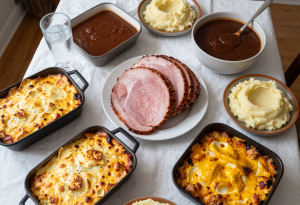
Salt is one of the biggest contributors to holiday bloating, and many festive foods contain far more sodium than we realize. High sodium intake causes the body to retain water to maintain electrolyte balance, leading to puffiness and abdominal bloating.
Common high-salt holiday foods include:
• Ham, turkey, and roast meats (especially pre-brined or glazed)
• Gravy, sauces, and packet seasoning mixes
• Stuffing and stuffing mixes
• Cheese boards and cured meats
• Crackers, chips, and savory snacks
• Store-bought soups and side dishes
Your body responds to excess sodium by holding onto water, especially if hydration is low or potassium intake is insufficient. This is why bloating from salty meals often shows up the next day, not immediately.
Heavy, Creamy Foods That Slow Digestion
Holiday meals are often rich in fats and creamy ingredients. While fat itself isn’t bad, large amounts slow gastric emptying, meaning food stays in the stomach longer. This creates pressure, fullness, and bloating.
Foods that commonly contribute include:
• Creamy mashed potatoes
• Cheese-based sauces and dips
• Creamy casseroles
• Rich desserts with butter and cream
• Heavy dairy-based sides
When digestion slows, gas builds up more easily, especially if meals are large or eaten late in the day. This type of bloating feels heavy and uncomfortable rather than gassy.
Refined Carbohydrates That Ferment in the Gut
Refined carbs are everywhere during the holidays and are one of the most overlooked bloating triggers. These foods are low in fiber and digest quickly, causing blood sugar spikes and gut fermentation.
Examples include:
• White bread rolls
• Stuffing made with refined bread
• Pastries, cakes, cookies, and pies
• Crackers and party snacks
Without enough fiber, these carbs can slow bowel movement and feed gas-producing bacteria. This leads to abdominal distension and discomfort, especially when combined with fat and salt.
Sugary Holiday Treats and Gut Imbalance
Sugar-heavy foods don’t just impact blood sugar — they also affect gut bacteria. Large amounts of sugar can increase gas production, inflammation, and water retention.
Holiday sugar sources often include:
• Desserts and baked goods
• Sweet cocktails and mixers
• Syrups and sauces
• Candy and chocolate treats
For some people, sugar can trigger bloating within hours. For others, it shows up the next day as puffiness and sluggish digestion due to hormonal and fluid shifts.
Alcohol and Its Double Impact on Bloating
Alcohol contributes to bloating in multiple ways. It irritates the digestive lining, disrupts gut bacteria, increases dehydration, and often comes paired with salty foods.
Different drinks affect the body differently:
• Beer adds carbonation and fermentable carbs
• Wine contains histamines and sulfites
• Cocktails often include sugar and mixers
Alcohol also relaxes digestive muscles, allowing gas to build up more easily. The combination of alcohol, salt, and late-night eating is one of the strongest triggers for next-day bloating.
Hidden Intolerances That Show Up During the Holidays
Many people tolerate certain foods in small amounts but struggle when intake increases over several days. The holidays often bring repeated exposure to dairy, gluten, and rich foods.
Common triggers include:
• Cheese-heavy dishes
• Cream-based desserts
• Bread, pastries, and stuffing
• Sauces thickened with flour
This doesn’t mean you suddenly developed an intolerance. It means your digestive threshold has been exceeded. The result is inflammation, slowed digestion, and bloating.
Large Portions and Eating Pace
Holiday meals are often eaten quickly, socially, and without much awareness. Eating fast reduces chewing and digestive enzyme release, making digestion less efficient.
Large portions stretch the stomach and intestines, triggering pressure and discomfort. When combined with heavy foods, digestion slows further, increasing bloating.
Stress, Sleep, and Nervous System Effects
Stress has a direct impact on digestion. During stressful periods, the body shifts into fight-or-flight mode, reducing digestive activity. Poor sleep worsens hormone balance, fluid regulation, and gut movement.
Even familiar foods can cause bloating when eaten under stress or fatigue. This is why bloating often feels worse during the holidays, even when eating foods you normally tolerate.
What Your Body Is Actually Responding To
Holiday bloating isn’t about failure or lack of discipline. It’s your body responding to:
• Excess sodium and water retention
• Slower digestion from heavy meals
• Gut fermentation from sugar and refined carbs
• Dehydration from alcohol and poor hydration
• Nervous system overload from stress and poor sleep
Once you see bloating as feedback, it becomes easier to manage without restriction.
How to Reduce Holiday Bloating Without Avoiding Holiday Foods
Small adjustments make a big difference. Staying hydrated throughout the day helps flush excess sodium. Adding potassium-rich foods supports fluid balance. Including protein and fiber at meals improves digestion and satiety.
Gentle movement after meals helps gas move through the digestive tract. Spacing indulgent foods rather than stacking them reduces overload. Eating slowly and mindfully supports digestion far more than cutting foods out.
Enjoying the Holidays Without the Aftermath
Bloating doesn’t have to be the price you pay for enjoying holiday food. Understanding which foods trigger bloating — and why — gives you control without restriction. Your body isn’t asking you to give up celebration. It’s asking for balance, awareness, and support.
When you work with your body instead of against it, the holidays feel a lot better — during the meal and the day after.
References
Mayo Clinic – Digestive Health & Bloating
https://www.mayoclinic.org
Cleveland Clinic – Water Retention, Sodium & Digestive Health
https://my.clevelandclinic.org
