

Ever get into bed after a long, stressful day and find your mind racing, your body tense, and sleep nowhere in sight? You’re not alone. Many people struggle to truly unwind in the evenings, and it can feel impossible to relax. But what if there was a simple, natural way to calm your body, quiet your mind, and improve your sleep — all without complicated routines or expensive gadgets?
That’s where grounding, also called earthing, comes in. Grounding is the practice of connecting your body directly to the Earth, allowing you to absorb its natural energy. Think of it as a reset button for your body and mind. People who practice grounding report feeling calmer, less stressed, and even sleeping better. And for those of us who live in cold climates or busy cities, a grounding blanket brings all the benefits indoors — no barefoot walks on frozen grass required.
Let’s explore why grounding is gaining popularity, the amazing benefits it can have on your body, and how a grounding blanket can help you tap into these benefits every night.

What is Grounding and Why It Works
The Earth has a subtle, negative electric charge. When your body comes into contact with it — walking barefoot on grass, sand, or soil — it can help neutralize free radicals in your body. These are unstable molecules that contribute to inflammation, tension, and stress. By “plugging in” to the Earth, even for a few minutes a day, your body can rebalance and restore itself.
Grounding isn’t just a trend. Preliminary studies suggest it may help regulate stress hormones like cortisol, which tend to spike when we’re busy or anxious. Balanced cortisol levels in the evening make it easier for your mind and body to relax, so you can drift into deeper, more restorative sleep.
Even better, grounding can improve circulation, reduce muscle tension, and give you a real sense of calm — something you can feel almost immediately.
The Benefits You’ll Notice
- Instant Calm: Many people notice a sense of relaxation after just 5–10 minutes of grounding. It’s like telling your body it’s time to switch off.
- Better Sleep: By reducing stress and evening cortisol levels, grounding can make it easier to fall asleep and stay asleep. You wake up feeling more refreshed and energized.
- Reduced Tension and Pain: Grounding can help with muscle aches, stiffness, or general discomfort, making it easier to settle into bed comfortably.
- Mood Boost: The calming effect extends to your mind — fewer racing thoughts, less anxiety, and a clearer mental state.
How to Ground, Even If You Can’t Go Outside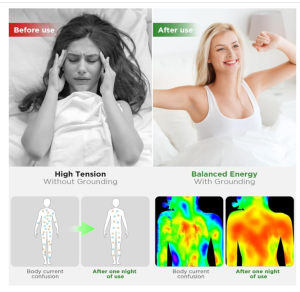
The ideal way to ground is to walk barefoot on natural surfaces like grass, sand, or soil for at least 15–30 minutes. Bare skin contact is important because shoes or thick socks block the Earth’s energy from reaching your body. Sitting or lying on the ground while reading or meditating works too.
If you live in a city, an apartment, or a cold climate where outdoor grounding isn’t possible, don’t worry — a grounding blanket can bring the benefits indoors. These blankets contain conductive material that connects to the Earth through a grounded outlet. Lying on a grounding blanket while reading, meditating, or sleeping allows your body to absorb the Earth’s energy, helping you relax even when you can’t go outside. You can check out a reliable option like this grounding blanket on Amazon to get started.
How Much Time Should You Spend Grounding?
Even short daily sessions can make a difference. Start with 10–15 minutes in the evening, and gradually extend to 20–30 minutes as you notice benefits. The key is consistency — small, daily grounding sessions are far more effective than occasional long ones.
Many people find it helpful to combine grounding with other relaxing activities: sipping herbal tea, reading a book, journaling, or practicing deep breathing. This combination of grounding and mindful rituals can create a powerful evening wind-down routine.
Evening Rituals for Maximum Relaxation
To get the most from grounding, it’s best to spend a little time barefoot outside on grass, sand, or soil. Direct skin contact with the Earth allows your body to absorb the natural energy that supports calm, balances stress hormones, and reduces tension. Shoes or thick socks block this connection, so barefoot is key.
Pairing outdoor grounding with a grounding blanket at home can amplify the benefits. You might start with a short barefoot walk in your yard or a nearby park, then settle onto your grounding blanket while reading, meditating, or simply closing your eyes and focusing on your breath. This combination reinforces the calming effects, signals to your body that it’s time to fully unwind, and can provide faster, more noticeable results. Over two weeks, you may notice reduced tension, deeper sleep, and a clearer, more focused mind.

FAQ: Grounding and Sleep
Q1: What is grounding (earthing)?
Grounding, or earthing, is the practice of connecting your body directly to the Earth’s surface, either by walking barefoot outdoors or using grounding devices like mats or blankets indoors. It’s thought to help balance stress hormones and reduce tension.
Q2: Can grounding really improve sleep?
Early research suggests grounding may help normalize cortisol levels and support your body’s natural circadian rhythm, which can lead to improved sleep quality and easier relaxation. (Sleep Foundation)
Q3: How long should I spend grounding each day?
Even short sessions of 10–30 minutes can be beneficial, especially if done consistently. Pairing grounding with mindful activities like reading, journaling, or deep breathing can enhance the effects.
Q4: Do I need to go outside to benefit from grounding?
Not necessarily. Grounding blankets, mats, or sheets provide similar benefits by connecting you to the Earth’s energy indoors through a grounded outlet.
Q5: Are there any risks associated with grounding?
Grounding is generally safe. The main caution is ensuring that any electrical grounding device is properly connected to prevent shocks. Walking barefoot outdoors is safe on natural, clean surfaces.
Grounding is a simple, natural way to help your body and mind relax, reduce stress, and improve sleep quality. Whether you spend a few minutes barefoot outdoors or use a grounding blanket indoors, regular grounding can support lower cortisol levels, better sleep, and reduced tension. Incorporating grounding into your nightly routine for even a short period each day may help you feel calmer, more focused, and more rested. According to the Sleep Foundation, grounding sheets and mats may promote better sleep by helping regulate your body’s stress response and circadian rhythm, although more large-scale studies are still needed to confirm the full effects.
Clinical studies from PubMed show that grounding during sleep can help normalize cortisol levels, reduce nighttime stress hormones, and improve overall sleep quality
