How to Improve Libido in Men Naturally After 30 – For many men, the first real change in libido doesn’t happen at 50 or 60 — it happens quietly sometime after 30. One day, you realise your sex drive isn’t as automatic as it used to be. Desire feels less consistent. Energy dips more easily. Motivation isn’t quite the same.
This can be confusing, frustrating, and often silent — because most men don’t talk about it.
What’s important to understand early is this:
Lower libido after 30 is common, usually gradual, and very often reversible.
In most cases, it has nothing to do with masculinity, attraction, or “losing your edge”. It’s almost always linked to everyday health factors that slowly drift off course — sleep, stress, recovery, nutrition, and nervous system overload.
This article breaks down what really affects libido in men after 30, what actually helps, and why one overlooked mineral — magnesium glycinate — may support libido indirectly by improving the foundations it depends on.
No hype. No miracle promises. Just practical, science-backed guidance that keeps you reading because it actually makes sense.
What Libido Really Is (and Why It Changes With Age)
Libido is your baseline level of sexual desire — not performance, not attraction, not relationship satisfaction. It’s the internal signal that says “I want this”.
A network of systems controls that signal:
- Hormones (especially testosterone)
- The nervous system
- Sleep quality
- Stress hormones like cortisol
- Physical energy and recovery
- Mental health and mood
After 30, these systems don’t suddenly fail — they just become less forgiving.
You can still get away with poor sleep, long workdays, alcohol, and stress in your 20s. In your 30s and beyond, the body starts keeping score.
Why Libido Often Drops After 30 (Without Warning)
Most men don’t expect their libido to change at all. When it does, it usually doesn’t disappear overnight — it fades quietly in the background.
Common contributors include:
Chronic stress
Work pressure, financial responsibility, family life, constant notifications — chronic stress keeps the nervous system switched on. Elevated cortisol directly interferes with testosterone and sexual desire.
Poor or inconsistent sleep
Sleep is when testosterone is produced and the nervous system resets. Even mild sleep deprivation, repeated over time, can lower libido noticeably.
Mental fatigue
Libido is as much mental as physical. When the brain is exhausted, desire often switches off first.
Reduced physical activity
Strength training and regular movement support hormone balance and blood flow. Sitting most of the day does the opposite.
Nutrient depletion
Stress, alcohol, intense training, and modern diets can quietly drain key minerals involved in nerve function, relaxation, and recovery.
None of these are dramatic on their own. Together, they create the perfect conditions for libido to stall.
Why Most “Libido Fixes” Miss the Point
When libido drops, many men look for something external to “switch it back on”.
The problem is that libido doesn’t respond well to force.
Sex drive is a signal, not a button. If the body is stressed, underslept, or under-recovered, desire naturally drops — regardless of willpower.
That’s why sustainable improvement comes from:
- calming the nervous system
- restoring sleep
- supporting recovery
- filling nutritional gaps
Only after those are addressed do supplements make sense — and even then, only as support.
Natural Ways to Support Libido After 30
Before considering supplements, these fundamentals matter most.
Prioritise sleep quality
Deep, consistent sleep supports testosterone production, nervous system balance, and energy. Even one extra hour per night can change how you feel within days.
Manage stress levels
This doesn’t mean eliminating stress — it means giving your body signals of safety. Walking, resistance training, time offline, and consistent routines all help regulate cortisol.
Train, but recover
Strength training supports hormones and confidence, but only if recovery is adequate. Overtraining with poor sleep often worsens libido.
Eat to support hormones
Adequate protein, healthy fats, and minerals are essential. Extreme dieting or chronic calorie restriction can suppress libido.
Reduce alcohol if needed
Alcohol interferes with sleep and testosterone. Cutting back often improves libido faster than people expect.
Where Supplements Fit (Without Overpromising)
Supplements don’t create libido. They support the systems that allow libido to return.
The best supplements:
- support sleep and relaxation
- help regulate stress
- assist recovery
- fill common nutrient gaps
One of the most useful — and least discussed — is magnesium.
What Magnesium Is and Why It Matters
Magnesium is an essential mineral involved in hundreds of biological processes. It plays a role in muscle relaxation, nerve signalling, stress regulation, sleep quality, and energy production.
Many men are mildly deficient without realising it, especially those who:
- experience chronic stress
- exercise regularly
- drink alcohol
- consume highly processed foods
- struggle with sleep
Low magnesium doesn’t cause low libido directly — but it can quietly create the conditions where libido struggles to return.
How Magnesium May Support Libido Indirectly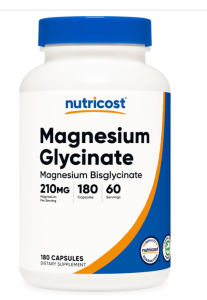
Magnesium works behind the scenes.
Magnesium and stress regulation
Magnesium supports the nervous system’s ability to relax. Lower stress levels can reduce cortisol, which may help support testosterone and desire.
Magnesium and sleep quality
Magnesium supports muscle relaxation and sleep depth. Better sleep supports hormone production, energy, and mood — all closely linked to libido.
Magnesium and recovery
Exercise supports libido, but only when recovery is adequate. Magnesium supports muscle function and recovery, helping maintain consistency without burnout.
Magnesium and overall well-being
When the body feels calmer, better rested, and less depleted, libido often improves naturally as a side effect.
There are several forms of magnesium, but magnesium glycinate is commonly preferred because:
- It’s well absorbed
- It’s gentle on digestion
- It’s often used to support relaxation and sleep
- Rather than stimulating anything, it supports balance, which is exactly what libido needs.
What Magnesium Is NOT (This Matters)
Magnesium is not a shortcut — and understanding this actually increases trust.
Magnesium is not:
- a hormone booster
- a testosterone replacement
- a stimulant
- a libido pill
- a performance enhancer
- a guaranteed fix
It does not create desire out of thin air.
It does not override stress, poor sleep, or burnout.
What it may do is support the systems that allow libido to recover when lifestyle factors are addressed.
Think of magnesium as removing friction, not forcing outcomes.
How Men Commonly Use Magnesium
Many men take magnesium in the evening as part of a wind-down routine.
Typical approaches include:
- Taking it 1–2 hours before bed
- pairing it with reduced screen time
- using it consistently rather than occasionally
Results, when they occur, tend to show up as:
- improved sleep
- calmer evenings
- better recovery
- improved daytime energy
Libido often improves as a downstream effect, not an immediate response.
When Supplements Aren’t Enough
If libido remains low despite good sleep, nutrition, stress management, and recovery, it’s important to look deeper.
Persistent low libido can sometimes be linked to:
- hormonal imbalances
- thyroid issues
- mental health concerns
- medication side effects
In those cases, professional guidance is essential.
The Takeaway
For men after 30, libido doesn’t disappear — it responds to how well the body is supported.
Focus first on:
- stress management
- sleep quality
- regular exercise
- balanced nutrition
Then, if needed, consider supportive options, such as magnesium glycinate, as part of a calm and consistent routine.
Libido improves when the body feels safe, rested, and well-fuelled.
No hacks. Just support the foundations — and let desire return naturally.


