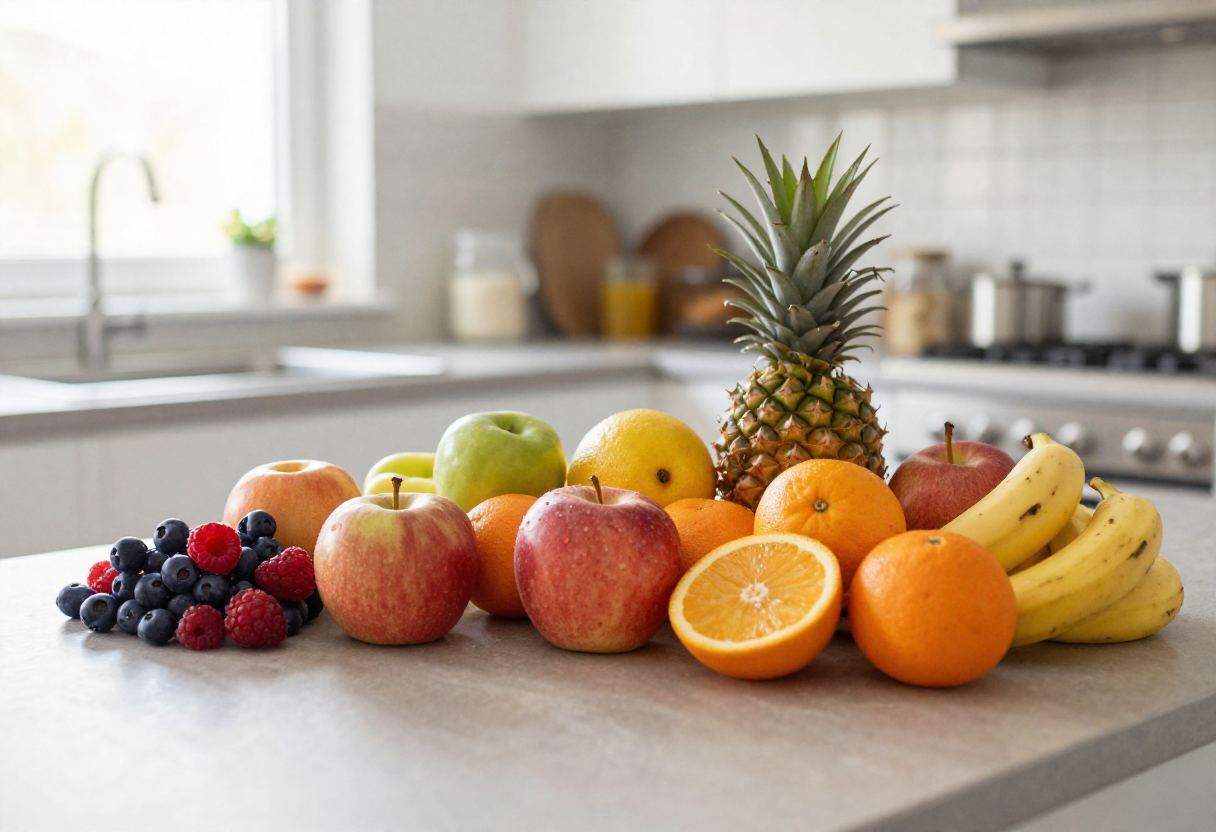
People often ask, “Is fruit healthy?” With all the conflicting advice out there, it’s easy to get confused. Some call fruit nature’s candy because of its natural sugars, while others highlight its nutrient density and essential role in balanced nutrition. Understanding fruit nutrition helps you know when fruit helps and when it might hurt, so you can enjoy it as part of an everyday nutrition habit without overdoing sugar.
In this article, we’ll break down the benefits of fruit, explain natural sugar in fruit, and give practical tips to include fruit safely in your diet. You’ll learn how fruit supports energy, digestion, and overall health, plus how to choose the right types and portions for your lifestyle.
By the end, you’ll clearly see why fruit is generally a healthy food choice, how to maximize its benefits, and when to be mindful of sugar intake.

Why Fruit Isn’t Just Sugar
Many people assume that fruit is “just sugar,” but this couldn’t be further from the truth. While fruits do contain natural sugar, it comes packaged with fiber, water, vitamins, minerals, and antioxidants. This combination is what makes fruit nutrient-dense, meaning it provides a high concentration of essential nutrients relative to its calorie content. Unlike processed sweets, fruit offers health benefits alongside its natural sugar.
Nutrient density explained:
- Nutrient-dense foods give your body more vitamins, minerals, and fiber per calorie.
- Fruits are a perfect example: even fruits with higher sugar content, like mangoes or grapes, provide essential nutrients that support digestion, energy, and overall health.
- Choosing nutrient-dense foods, like fruit, ensures your diet is balanced and rich in health-promoting compounds.
How fiber helps:
- The fiber in fruit slows sugar absorption, preventing spikes in blood sugar.
- Fiber also supports healthy digestion, keeps you feeling full longer, and contributes to everyday nutrition habits.
Practical tip:
Pair fruit with protein or healthy fats, like Greek yogurt or nuts, to balance natural sugar and sustain energy throughout the day.

Health Benefits of Fruit
Fruits are often misunderstood because of their natural sugar, but the benefits of fruit go far beyond sweetness. The combination of fiber, vitamins, minerals, and antioxidants is what makes fruits nutrient-dense — meaning they provide high levels of essential nutrients for relatively few calories. Eating a variety of fruits regularly supports balanced nutrition, energy, and everyday nutrition habits.
Here’s a breakdown of common fruits, their approximate sugar content per serving, and their key health benefits:
| Fruit | Approx Sugar (g per serving) | Key Health Benefits / Nutrient Density |
|---|---|---|
| Strawberries (1 cup, 150g) | 7 g | High in vitamin C, fiber, and antioxidants; supports immunity and digestion |
| Blueberries (1 cup, 150g) | 15 g | Rich in antioxidants and fiber, may improve heart health and cognitive function |
| Apple (1 medium, 182g) | 19 g | Good source of fiber and vitamin C; helps regulate blood sugar and digestion |
| Orange (1 medium, 131g) | 12 g | High in vitamin C and hydration; supports the immune system and skin health |
| Banana (1 medium, 118g) | 14 g | Provides potassium, vitamin B6, and quick energy; supports muscle function |
| Grapes (1 cup, 151g) | 23 g | Source of antioxidants and vitamin K; may support cardiovascular health |
| Mango (1 cup, 165g) | 45 g | Rich in vitamins A and C, and fiber, supports vision and immunity |
Even fruits with higher sugar content, like mangoes and grapes, are nutrient-dense. Unlike processed sweets, they provide essential vitamins, minerals, and fiber, making them a smart choice for everyday nutrition habits.
Key Takeaways:
- Nutrient density explained: Nutrient-dense Foods provide more nutrients per calorie. Fruits are packed with vitamins, minerals, fiber, and antioxidants — all while being relatively low in calories.
- Natural sugar benefits: The sugar in whole fruits comes with fiber and water, which slows absorption, provides energy, and avoids blood sugar spikes typical of refined sugars.
- Practical advice: Pair fruits with protein or healthy fats to further balance natural sugar and sustain energy.
When Fruit Helps — Practical Tips
Eating fruit can be incredibly beneficial, but timing, portions, and pairings make a difference. Understanding fruit nutrition ensures you enjoy its benefits without overdoing sugar.
1. Choose Whole Fruits Over Juice or Dried Fruit
- Whole fruits contain fiber, water, and nutrients that slow sugar absorption.
- Fruit juices and dried fruits are concentrated sources of sugar and lack some fiber.
-
Example: 1 cup of grapes has less sugar impact than a cup of grape juice.
2. Pair Fruit with Protein or Healthy Fats
- Combining fruit with Greek yogurt, nuts, or seeds helps balance natural sugar and sustain energy.
- This also supports balanced nutrition and keeps blood sugar levels stable.
3. Best Times to Eat Fruit
- With meals: Helps with digestion and satiety.
- Post-workout: Fruit provides quick energy and replenishes glycogen stores.
- Snack time: Small portions paired with protein are ideal for steady energy.
4. Portion Awareness
- Even healthy fruits can contribute to excess sugar if eaten in very large amounts.
- Stick to 1–2 servings per snack or meal, depending on your daily fruit goals.
Pair fruit with protein or healthy fats to enjoy the benefits of natural sugar while supporting stable blood sugar and sustained energy.

When Fruit Might Hurt
While fruit is generally healthy, there are situations where it can contribute to excess sugar intake or digestive issues. Understanding these scenarios ensures your everyday nutrition habits stay balanced.
1. Overconsumption
- Eating very large portions of fruit can lead to higher sugar intake than your body can handle.
- Even nutrient-dense fruits like grapes or mangoes can impact blood sugar if eaten in excess.
Stick to 1–2 servings per snack or meal, depending on your overall diet goals.
2. Fruit Juice and Dried Fruit
- Fruit juice contains concentrated sugar without fiber, leading to rapid spikes in blood sugar.
- Dried fruit is also highly concentrated — a small handful can equal several servings of fresh fruit.
Choose whole fruits over juice or dried fruit to maximize fiber and nutrients while controlling sugar intake.
3. Specific Health Conditions
-
People with insulin resistance, type 2 diabetes, or certain digestive sensitivities (like FODMAPs) may need to monitor fruit intake carefully.
Pair fruit with protein or fat to help manage sugar absorption and maintain balanced nutrition.
4. Low-Carb or Keto Diets
- Fruit can increase carb intake significantly, which may interfere with strict low-carb or ketogenic diets.
- Focus on low-sugar fruits like berries to stay within carb limits while still gaining nutrients.

Low vs High Sugar Fruits
Not all fruits are created equal when it comes to sugar content. While all fruits provide nutrients and fiber, knowing which ones are lower or higher in natural sugar helps you make smart choices for balanced nutrition and everyday nutrition habits.
| Lower Sugar / High Fiber Fruits | Approx Sugar (g per serving) | Higher Sugar Fruits (Eat in Moderation) | Approx Sugar (g per serving) |
|---|---|---|---|
| Strawberries (1 cup, 150g) | 7 g | Grapes (1 cup, 151g) | 23 g |
| Raspberries (1 cup, 123g) | 5 g | Mango (1 cup, 165g) | 45 g |
| Blueberries (1 cup, 150g) | 15 g | Pineapple (1 cup, 165g) | 16 g |
| Apples (1 medium, 182g) | 19 g | Bananas (1 medium, 118g) | 14 g |
| Oranges (1 medium, 131g) | 12 g | Cherries (1 cup, 154g) | 18 g |
| Pears (1 medium, 178g) | 17 g | Figs (1 cup, 149g) | 29 g |
Even higher-sugar fruits are nutrient-dense. Pair them with protein or healthy fats to balance natural sugar intake and support energy and digestion.
Practical Advice:
- Lower sugar fruits like berries and citrus are great for snacks, breakfast, or adding to salads.
- Higher sugar fruits like mangoes, grapes, or figs can be enjoyed in moderation or paired with protein/fats.
-
Tracking fruit portions can help maintain balanced nutrition without overdoing sugar.
Making Fruit Work for You
Eating fruit is a simple way to support balanced nutrition and maintain everyday nutrition habits, but knowing how and when to eat it makes all the difference.
Action Steps for Healthy Fruit Intake
- Focus on Whole Fruits: Always choose fresh or frozen fruits over juice or dried fruit to maximize fiber and nutrients.
- Balance Sugar with Protein or Healthy Fats: Pair fruit with Greek yogurt, nuts, or seeds to slow sugar absorption and sustain energy.
- Watch Portions: Stick to 1–2 servings per snack or meal depending on your daily goals.
- Choose Lower Sugar Fruits for Frequent Snacks: Berries, citrus, and apples are great for blood sugar-friendly snacking.
- Track Your Fruit Intake: Keeping a simple diary or using a nutrition app can help you enjoy fruit without overdoing sugar.
By following these steps, you can enjoy the benefits of fruit, maintain stable energy, and make fruit a reliable part of your everyday nutrition habits. If you’re wondering “is fruit healthy?”, the answer is yes — even fruits higher in natural sugar are nutrient-dense, providing vitamins, minerals, fiber, and antioxidants your body needs. According to the Harvard T.H. Chan School of Public Health, consuming a variety of fruits is associated with reduced risk of chronic diseases and supports overall health