

Menopause and weight loss can feel incredibly frustrating, especially if you’re eating the same way you always have but suddenly gaining weight. Many women notice changes in their bodies during their 40s and 50s — particularly around the abdomen — and wonder why nothing seems to work anymore.
Hormonal shifts, a slower metabolism, changes in muscle mass, and increased stress levels all play a role in midlife weight gain. What worked in your 30s may no longer be effective, and extreme dieting often makes things worse.
The good news is that menopause weight gain is not inevitable — and sustainable weight loss during menopause is possible with the right approach. In this article, we’ll explain why weight changes happen and what actually works to support a healthier metabolism during menopause.

Why Menopause Makes Weight Loss Harder
Many women struggling with menopause and weight loss feel like their body has suddenly changed without warning. The truth is, menopause brings significant hormonal and metabolic shifts that directly affect how your body stores and burns energy.
Understanding these changes can remove the self-blame and help you focus on strategies that actually work.
Hormonal Changes and Estrogen Decline
One of the biggest drivers of weight changes during menopause is the decline in estrogen. Estrogen plays an important role in regulating body fat distribution, appetite, and insulin sensitivity.
As estrogen levels drop, the body becomes more likely to store fat — particularly around the abdomen. This shift from hips and thighs to belly fat is common and largely hormone-driven, not simply the result of eating more.
Slower Metabolism After 40
Metabolism naturally slows with age, but menopause can accelerate this process.
Loss of muscle mass (which begins as early as your 30s) reduces the number of calories your body burns at rest. Because muscle is metabolically active tissue, less muscle means fewer calories burned — even if your diet hasn’t changed.
Without strength training or adequate protein intake, this muscle loss can continue, making weight loss feel increasingly difficult.
Insulin Sensitivity and Blood Sugar Changes
Hormonal fluctuations during menopause can also affect how your body responds to carbohydrates.
Some women develop reduced insulin sensitivity, meaning blood sugar levels rise more easily and fat storage becomes more likely. This doesn’t mean you need to eliminate carbohydrates — but it does mean balance becomes more important than ever.
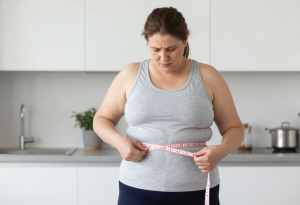
Why Belly Fat Increases During Menopause
Even if your overall weight hasn’t changed dramatically, you may notice fat accumulating around your abdomen. This shift is largely due to hormonal changes associated with menopause, particularly declining estrogen levels. Estrogen helps regulate fat distribution, so when it drops, fat tends to move from the hips and thighs to the belly.
Additionally, muscle loss that occurs naturally with age reduces the body’s ability to burn calories efficiently, contributing to increased fat storage. Insulin resistance, common during midlife, also makes it easier for the body to store calories as fat rather than using them for energy.
This combination of hormonal shifts, metabolic slowdown, and stress-related fat storage explains why many women see their belly area change during menopause — even without major changes in diet or exercise.

What Actually Works for Menopause Weight Loss
Weight loss during menopause is not impossible — it just requires strategies that work with your changing body, not against it.
Prioritise Protein
Eating adequate protein supports muscle maintenance, which helps maintain metabolism. Include lean meats, fish, eggs, Greek yogurt, legumes, and protein-rich plant foods in every meal. Protein also keeps you fuller longer, reducing overeating.
Strength Training Over Excess Cardio
While cardio is important for heart health, resistance training helps preserve muscle mass, burn calories efficiently, and reduce belly fat. Incorporate bodyweight exercises, dumbbells, or resistance bands at least 2–3 times per week.
Manage Stress and Sleep
High cortisol levels from stress can lead to abdominal fat accumulation. Prioritise 7–9 hours of sleep, practice mindfulness, meditation, or gentle yoga, and take short breaks throughout the day to reduce tension.
Balanced Carbohydrates
Instead of eliminating carbs, focus on whole grains, fruits, and vegetables. Balanced carbs with protein and healthy fats stabilise blood sugar, preventing fat storage and energy crashes.

Common Mistakes That Make Menopause Weight Gain Worse
Even with good intentions, certain habits can make menopause weight loss feel impossible. Avoid these common pitfalls:
Over-Restricting Calories
Severely cutting calories can slow metabolism, reduce energy, and cause muscle loss, making weight loss harder in the long run. Focus on balanced meals instead of extreme dieting.
Skipping Strength Training
Cardio alone cannot prevent muscle loss that accelerates with age. Skipping resistance work can make metabolism decline faster and belly fat more likely.
Chronic Stress
High stress levels increase cortisol, which promotes fat storage around the midsection. Managing stress is just as important as exercise and diet.
Poor Sleep
Sleep deprivation affects hunger hormones like ghrelin and leptin, increasing cravings and appetite — particularly for high-calorie foods.
Relying on Quick-Fix Diets
Fad diets rarely produce sustainable results. Extreme low-carb, juice cleanses, or “detox” plans may offer temporary weight changes but often lead to rebound weight gain.

Frequently Asked Questions
1. Why am I gaining weight even though I eat the same?
Hormonal changes during menopause — including declining estrogen and slower metabolism — can cause fat to accumulate even without increasing calories. Muscle loss also reduces the number of calories your body burns at rest.
2. Is it harder to lose weight after 50?
Yes, many women experience slower metabolism and changes in fat distribution. However, targeted strength training, adequate protein, balanced nutrition, and stress management can still help you lose weight effectively.
3. How long does menopause weight gain last?
Weight changes often begin in perimenopause and can continue into postmenopause. While hormonal shifts stabilize over time, maintaining healthy habits is key to managing weight long-term.
4. Can hormone therapy help with weight loss?
Hormone therapy may ease some menopause symptoms, but it is not a guaranteed weight-loss solution. Lifestyle strategies — diet, exercise, and stress management — remain the most effective approach.
5. What’s the best exercise during menopause?
A combination of strength training to maintain muscle and metabolism, and moderate cardio for heart health is most effective. Incorporating flexibility and balance exercises, like yoga or Pilates, is also beneficial.
For credible information on how menopause can affect weight and body composition, the Mayo Clinic explains how metabolic changes and hormonal shifts during menopause can influence weight gain and fat distribution. The Cleveland Clinic offers practical guidance on managing weight during menopause, including lifestyle factors like diet and exercise that can help reduce midlife weight gain.
