

Do you ever feel like your workouts aren’t giving results? Many people exercise without a plan, focus, or purpose. Learning to move with purpose can transform your fitness routine, helping you achieve your goals safely and effectively. You don’t need to lift heavy every day to see results — proper form, intentional movement, and realistic goals are what truly count. This post will give you practical tips to plan workouts, prevent injuries, and stay motivated, so every session helps you progress toward your fitness goals.
Why Moving with Purpose Matters
Moving with purpose means exercising intentionally, focusing on form, goals, and results, rather than just going through the motions. Workouts done mindlessly may feel productive but often increase injury risk and slow progress. Setting clear goals — whether improving strength, mobility, or endurance — gives direction to your routine.
Remember, lifting heavy weights is not always necessary. Bodyweight exercises, resistance bands, or lighter weights with proper form can produce meaningful results while protecting joints and muscles. The key is gradual progression: increase intensity, weight, or repetitions over time to continue improving without risking injury. This approach ensures your workouts remain effective and safe, supporting long-term fitness goals.
Set realistic goals for each session, focus on proper form, and increase intensity gradually to make every workout count.
Plan Your Workouts Strategically
To truly move with purpose, planning your workouts is essential. Start by defining your goals: do you want to build strength, increase endurance, improve flexibility, or just stay active? Your goals will guide your choice of exercises, sets, and reps.
You don’t need to lift heavy every session. Bodyweight exercises, resistance bands, or lighter weights can be just as effective when performed with proper form. The key is gradual progression — increase intensity, repetitions, or resistance over time to continue challenging your muscles safely.
Consider structuring your week with a mix of strength, cardio, and mobility sessions, allowing for rest and recovery. Even short, focused workouts (15–30 minutes) can be highly effective if performed intentionally.
Plan workouts around your goals, include a variety of exercises, and gradually increase intensity — quality beats quantity every time.
Focus on Form, Not Just Reps
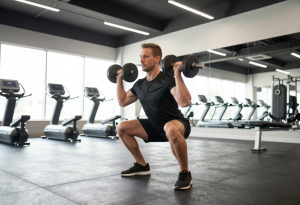
Focusing on proper form is one of the most important ways to move with purpose and prevent injuries. Performing exercises incorrectly, even with light weights, can strain joints and muscles and slow your progress.
Quality always beats quantity — a few well-executed repetitions are more effective than many sloppy ones. Take time to learn correct posture, alignment, and breathing for each movement. For beginners, using bodyweight exercises or resistance bands can help master form before adding heavier weights.
Remember, progress is gradual. Once your form is solid, you can safely increase repetitions, sets, or resistance to keep improving. Proper technique ensures your workouts are effective, safe, and sustainable over the long term.
Prioritize proper form over heavier weights — safe, controlled movements produce better results and prevent injury.
Stay Motivated and Track Progress
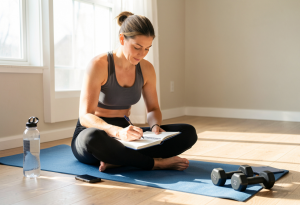
Consistency is key when you want to move with purpose. Tracking your workouts helps you stay motivated and ensures that every session contributes to your goals. Use a fitness journal, app, or calendar to record exercises, sets, reps, or time spent.
Setting small, achievable goals keeps motivation high. Celebrate milestones like completing a week of workouts, increasing repetitions, or mastering proper form. Remember, progress is gradual, and even short, focused sessions can lead to meaningful improvements over time.
Tracking also helps prevent injuries — you can monitor fatigue, avoid overtraining, and ensure proper recovery between sessions. By keeping a record, you stay accountable and see tangible results, which reinforces the habit of moving with purpose every day.
Use a journal or fitness app to track your workouts, celebrate small wins, and stay motivated to move with purpose.
Quick Tips to Move with Purpose Daily
Even busy days can include effective, purposeful movement. Small adjustments and intentional choices make workouts more productive and reduce the risk of injury. Here are practical tips to implement every day:
Daily Tips:
- Short, focused sessions: 15–30 minutes can be enough if done intentionally.
- Mix exercise types: Include strength, cardio, and mobility for balanced fitness.
- Prioritize form: Quality over quantity keeps you safe and improves results.
- Use light or bodyweight exercises: Heavy lifting isn’t always necessary — gradual progression is key.
- Track your progress: Journals or apps help you stay accountable and motivated.
- Rest and recover: Allow muscles time to repair to avoid injury and burnout.
| Type | Example | Benefit |
|---|---|---|
| Strength | Bodyweight squats, resistance bands | Build muscle safely |
| Cardio | Brisk walk, cycling | Improve endurance, heart health |
| Mobility | Stretching, yoga | Improve flexibility, prevent injury |
Make Every Workout Count
By planning your workouts, focusing on proper form, and tracking progress, you can truly move with purpose and see consistent results. Remember, lifting heavy isn’t always necessary — gradual progression, intention, and quality matter most. Set realistic goals, celebrate small milestones, and mix strength, cardio, and mobility for balanced fitness.
According to the Centers for Disease Control and Prevention (CDC), adults should aim for at least 150 minutes of moderate‑intensity aerobic activity per week and include muscle‑strengthening activities on 2 or more days to support overall health, heart function, and well‑being — reinforcing the importance of moving with purpose and regular exercise
