Noticing changes in your body in your 30s can feel confusing. Early perimenopause often starts subtly, and the signs can be easy to overlook. While everyone’s experience is different, there are some common patterns that many women notice.
Grouping symptoms makes them easier to recognize and track, without creating unnecessary worry.
Subtle Menstrual Changes
One of the earliest indicators of perimenopause is a change in your menstrual cycle. This can include:
- Cycle length shifts: Periods may arrive a few days earlier or later than usual.
- Flow changes: Your bleeding may become heavier or lighter.
- Spotting: Light spotting between cycles can occasionally occur.
These changes are often gradual and can come and go, making it tricky to identify them as early signs of perimenopause.
Mood and Mental Changes
Hormonal fluctuations can subtly affect mood and cognition. Many women notice:
- Increased irritability or sensitivity
- Mild anxiety or worry
- Brain fog or trouble concentrating
These changes are usually manageable but can feel unfamiliar if you’re not expecting them. Keeping a simple symptom journal can help you recognize patterns over time.
Sleep and Energy Shifts
Early perimenopause can also influence sleep and daily energy:
- Light or disrupted sleep: Waking more often at night.
- Fatigue: Feeling more tired despite adequate rest.
Tracking sleep habits and maintaining consistent routines can help support better rest during this stage.
Body and Metabolism Changes
Some women notice subtle physical changes, such as:
- Weight gain around the midsection
- Bloating or mild digestive changes
- Breast tenderness
These changes are usually gradual and don’t indicate a health problem, but paying attention can help you adjust lifestyle factors for comfort and balance.
Libido and Vaginal Changes
Changes in hormone levels can subtly influence sexual health, including:
- Lower libido
- Vaginal dryness or mild discomfort
These shifts are common and can often be eased with lifestyle adjustments like hydration, gentle exercise, and stress management.
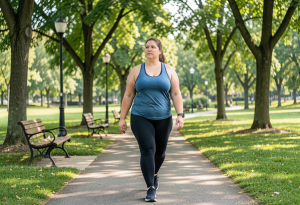
What Perimenopause in Your 30s Feels Like (That No One Talks About)
Early perimenopause isn’t always obvious. Many women notice changes that are hard to explain or even describe — shifts that feel more emotional or subtle than physical. This is the part of the transition that often goes unmentioned, leaving women to wonder if something is “wrong” with them.
You might feel:
- Something feels off, but tests are normal: Your cycles, mood, or energy may fluctuate, yet routine checkups don’t show anything concerning.
- Symptoms come and go: One week you feel tired and moody, the next week everything seems normal.
- Self-doubt or second-guessing: It’s easy to question whether fatigue, weight changes, or mood swings are just stress, lifestyle, or even personality shifts.
These experiences are real and common. They highlight that perimenopause is a gradual transition rather than a sudden event. By noticing these subtle changes and understanding that they can happen in your 30s — and occasionally even in your 20s — you give yourself the chance to respond thoughtfully rather than with anxiety.
Tracking patterns, paying attention to your body, and accepting that these changes are part of a natural life stage can make this period feel less mysterious and more manageable.

What It’s Not (When to Rule Out Other Causes)
While subtle changes in your 30s can be early signs of perimenopause, it’s important to remember that not every symptom is related to hormones. Many everyday factors can produce similar experiences, which is why awareness and tracking are so helpful.
Some common influences include:
- Stress and lifestyle: Long work hours, poor sleep, or high stress can affect mood, energy, and even cycle patterns.
- Diet and hydration: Nutritional gaps or dehydration can lead to fatigue, bloating, or mild mood changes.
- Exercise patterns: Sudden changes in activity or intensity can temporarily affect energy and metabolism.
- Other health conditions: Issues like thyroid changes or nutrient deficiencies can produce symptoms that overlap with perimenopause.
Understanding these possibilities can help you differentiate between normal life variations and hormonal transitions. Tracking your cycle, sleep, mood, and energy levels over time provides insight into patterns and helps you respond thoughtfully.
The key takeaway: experiencing early signs in your 30s is usually gradual and manageable. Paying attention to your body, maintaining healthy routines, and seeking guidance if needed can make this phase much easier to navigate.

How to Support Your Body During Early Perimenopause
Even subtle changes in your 30s can feel unsettling, but small, thoughtful adjustments to daily routines can make a noticeable difference. Supporting your body during this stage is about balance, consistency, and self-awareness rather than drastic interventions.
Nutrition Priorities
Eating a balanced diet can help maintain energy and support hormone balance naturally. Focus on:
- Whole foods: Fresh fruits, vegetables, lean proteins, and whole grains.
- Healthy fats: Nuts, seeds, avocado, and olive oil to support satiety and energy.
- Hydration: Adequate water intake can help with fatigue and bloating.
- Consistent meals: Regular meals help maintain stable energy levels and mood.
Strength Training & Movement
Maintaining muscle and bone health is important during early perimenopause. Consider:
- Strength training 2–3 times per week: Bodyweight exercises, resistance bands, or light weights.
- Cardio for cardiovascular health: Walking, cycling, or swimming.
- Stretching and mobility: Yoga or gentle stretching to reduce tension and support posture.
Even moderate daily movement can support energy, mood, and metabolism.
Sleep Regulation
Sleep often changes subtly during perimenopause. Supporting healthy sleep includes:
- Consistent schedule: Go to bed and wake up at similar times each day.
- Screen-free wind-down: Limit phones or screens 30–60 minutes before bed.
- Relaxation practices: Gentle stretching, reading, or breathing exercises can improve restfulness.
Stress Management
Managing stress helps maintain emotional balance and overall well-being. Strategies include:
- Mindfulness or meditation: Even 5–10 minutes daily can help.
- Nature time: Walks or outdoor activities can reduce tension.
- Journaling or reflection: Tracking symptoms and feelings can provide insight without stress.

When to Speak to a Doctor
Most early signs of perimenopause in your 30s are gradual and manageable with lifestyle awareness. However, it can be helpful to consult a healthcare professional if you notice changes that feel unusual, persistent, or disruptive to your daily life.
Some examples to consider:
- Significant changes in your cycle: Sudden heavy bleeding, very irregular periods, or spotting that feels abnormal for you.
- Persistent fatigue or mood shifts: When low energy or emotional changes start to interfere with work, relationships, or daily routines.
- Rapid or unexplained physical changes: Sudden weight changes, bloating, or other bodily shifts that concern you.
- Questions or uncertainty: Simply wanting clarity about what you’re experiencing, reassurance, or guidance on tracking patterns.
Consulting a healthcare professional doesn’t necessarily mean medical intervention — it can also provide information, reassurance, or simple strategies to monitor your health. Remember, perimenopause in your 30s is often subtle, and talking with a professional can help you feel more informed and confident about the changes you’re noticing.

Frequently Asked Questions
1. Is it normal to start perimenopause in your 30s?
Yes. While most women begin perimenopause in their late 30s to early 40s, some notice subtle changes earlier. Occasional early signs in the late 20s can also happen, though they are less common.
2. How do I know if it’s stress or perimenopause?
Many early symptoms overlap with stress, lifestyle, or sleep patterns. Tracking your cycles, mood, energy, and sleep over time can help you distinguish between typical life fluctuations and hormonal changes.
3. Can blood tests confirm perimenopause in your 30s?
There isn’t a single definitive test. Hormone levels fluctuate, and routine blood tests may not always reflect perimenopause. Doctors can provide guidance if you’re concerned or want help tracking patterns.
4. How long does early perimenopause last?
Perimenopause is a transition that can last several years. The timing varies for each woman. Early signs in your 30s may continue for a few years before more noticeable changes appear.
5. Can you get pregnant during perimenopause?
Yes. Fertility gradually declines, but pregnancy is still possible during early perimenopause. Contraception may still be needed if you’re not planning a pregnancy.
Many women find it reassuring to know that expert sources support these experiences. For example, Mayo Clinic outlines how early signs such as changes in cycles, mood, and sleep can appear even in your 30s. Likewise, the Cleveland Clinic provides insights on recognizing subtle symptoms and ways to support well-being during this transitional stage.