

If your body feels different lately — unexplained weight gain, disrupted sleep, lower energy, or mood changes that don’t quite make sense — you’re not imagining it. For many women, these shifts are early perimenopause symptoms, even if periods haven’t changed much yet.
Perimenopause is the transition phase before menopause, and it can begin years earlier than most people expect. Hormonal fluctuations during this time affect far more than your cycle — they influence metabolism, stress response, digestion, and how your body stores fat. That’s why things that once worked for your health or weight may suddenly feel ineffective.
Understanding the signs of perimenopause helps you work with your body instead of against it. Once you know what’s happening beneath the surface, small, supportive changes can make a meaningful difference in how you feel day to day.
What Perimenopause Actually Is
Perimenopause is the natural transition phase that happens before menopause, when hormone levels begin to fluctuate rather than decline steadily. On average, it starts in your late 30s or 40s, but it can happen much earlier or later — some women notice changes in their mid-20s, while others may not experience symptoms until their 50s.
During this time, oestrogen and progesterone rise and fall unpredictably. These shifts affect far more than your menstrual cycle — they influence how your body manages stress, stores fat, regulates sleep, and uses energy. This is why many women notice changes in weight, mood, digestion, or energy levels even when their lifestyle hasn’t changed.
Unlike menopause, perimenopause doesn’t follow a clear timeline or set of symptoms. Some women experience subtle changes, while others feel a noticeable difference in how their body responds to food, exercise, and daily stress. Understanding that these changes are hormonally driven — not personal failure — can be an important first step toward feeling more in control.
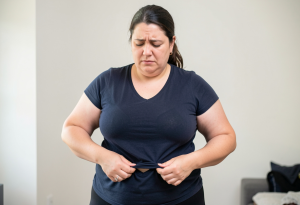
Why Your Body Feels Different During Perimenopause
One of the most frustrating parts of perimenopause is feeling like your body no longer responds the way it used to. Weight may increase despite eating the same foods, energy levels can dip, and recovery from exercise may take longer. These changes are common perimenopause symptoms, and they’re largely driven by hormonal shifts rather than lifestyle mistakes.
Fluctuating oestrogen affects how your body stores fat, particularly around the abdomen. It also plays a role in insulin sensitivity, meaning your body may handle carbohydrates differently than before. At the same time, changes in progesterone can influence sleep quality and stress response — both of which strongly affect weight regulation and appetite.
Cortisol, the body’s primary stress hormone, often becomes more influential during perimenopause. Poor sleep, increased stress, and hormonal imbalance can create a cycle where weight gain feels unavoidable, even with regular movement and balanced meals. Understanding these shifts helps explain why restrictive dieting or intense exercise often backfires during this phase.
The key is recognising that your body isn’t broken — it’s adapting. Supporting hormonal balance, managing stress, and adjusting expectations can make weight management feel more achievable and less exhausting during the menopause transition.
Perimenopause Symptoms You Might Be Ignoring
Some perimenopause symptoms are widely talked about, like irregular periods or hot flashes. But many of the most disruptive changes are subtle and often dismissed as stress, aging, or lifestyle issues. These overlooked symptoms are often the reason women feel “off” without understanding why.
Commonly recognised symptoms include:
- Changes in menstrual cycle length or flow
- Hot flashes or night sweats
- Sleep disturbances
- Mood swings or irritability
Often overlooked perimenopause symptoms include:
- Unexplained weight gain, especially around the midsection
- Increased anxiety or low mood
- Digestive discomfort or bloating
- Brain fog or difficulty concentrating
- Lower energy levels despite adequate rest
- Reduced stress tolerance
These symptoms can appear years before menopause and may fluctuate month to month. Because they don’t always follow a predictable pattern, they’re easy to ignore — or blame on busy schedules, poor sleep, or diet alone. Recognising these signs of perimenopause can help you respond with supportive habits rather than pushing your body harder.

What Actually Helps During Perimenopause
When your body is changing, the goal isn’t to control it — it’s to support it. During perimenopause, gentle, consistent habits are far more effective than extreme diets or punishing exercise routines.
Prioritise balanced nutrition.
Eating regularly and focusing on protein, fibre, and healthy fats can help stabilise blood sugar and energy levels. Highly restrictive eating often increases stress hormones, which can worsen fatigue, cravings, and weight gain during perimenopause.
Adjust movement, don’t eliminate it.
Your body may respond better to strength training, walking, Pilates, or low-impact workouts rather than constant high-intensity exercise. These forms of movement support muscle mass, metabolism, and stress regulation without overloading your nervous system.
Protect sleep as much as possible.
Sleep disruption is one of the most common perimenopause symptoms and has a direct impact on weight, mood, and appetite. Creating a consistent evening routine and avoiding overstimulation late at night can make a noticeable difference over time.
Manage stress intentionally.
Hormonal fluctuations can make your body more sensitive to stress. Practices like deep breathing, time outdoors, or short periods of rest aren’t indulgent — they help regulate cortisol, which plays a major role in how your body stores fat and manages energy.
Small, sustainable adjustments often lead to better results than trying to “fix” everything at once. Supporting your body through perimenopause is about responding to what it needs now, not forcing it to behave as it did years ago.
Final Thoughts
Perimenopause can feel confusing, especially when changes in weight, energy, mood, or sleep seem to appear without a clear reason. Understanding that these shifts are common perimenopause symptoms — driven by hormonal fluctuations rather than personal failure — can be deeply reassuring. When you recognise why your body feels different, it becomes easier to respond with patience and supportive habits instead of frustration.
This transition isn’t something to “push through” or fix with extremes. Gentle nutrition, realistic movement, stress awareness, and prioritising rest all play an important role in supporting your body during this phase. Even small changes can help you feel more stable, energised, and in tune with what your body needs now.
For a clear, medically reviewed overview of perimenopause and menopause symptoms, the UK National Health Service (NHS) provides reliable guidance on how hormonal changes affect the body and what to expect during the menopause transition
