

Plant protein vs whey protein: choosing the right protein for your midday boost can help you stay full, energized, and focused throughout the afternoon.
A protein boost can help you stay full, focused, and energized until your next meal. But with so many options, you might be wondering: should you choose plant protein or whey protein for your midday pick-me-up?
Both have unique benefits — whey protein is fast-absorbing and great for quick energy, while plant-based protein provides sustained release and added nutrients like fibre. Here’s a quick comparison to help you decide which is best for your midday boost.
Plant Protein vs Whey Protein – Key Differences
Plant protein vs whey protein differs in several important ways that affect digestion, satiety, and how your body uses the protein.
- Absorption speed: Whey protein digests quickly, giving a rapid amino acid boost. Plant protein digests more slowly, providing longer-lasting fullness.
- Amino acid profile: Whey is a complete protein with all essential amino acids. Some plant proteins need to be blended (like pea + rice) to achieve the same profile.
- Calories and satiety: Plant proteins often contain fibre, which helps you feel fuller longer, while whey is lower in fibre but still promotes moderate satiety.
- Best for: Whey is ideal for a quick midday boost or muscle support, whereas plant protein is excellent for sustained energy and digestive comfort.
Choosing between plant protein vs whey protein depends on your goals — quick energy, satiety, or dietary preferences.
Plant vs Whey Protein: Quick Comparison
| Feature | Whey Protein | Plant Protein |
|---|---|---|
| Protein per serving | ~24 g | ~21 g |
| Calories per serving | 120 cal | 110 cal |
| Absorption speed | Fast | Slow/Sustained |
| Satiety | Moderate | High (due to fibre) |
| Best for | Quick energy, muscle support | Longer-lasting fullness, digestive health |
| Popular product | Optimum Nutrition Gold Standard Whey | PlantFusion Complete Plant-Based Protein |
Both are excellent choices — the best one depends on whether you want a quick midday energy boost or longer-lasting satiety.
Whey Protein Benefits
Whey protein is a fast-absorbing protein derived from milk, making it ideal for a quick midday energy boost. It delivers all the essential amino acids your body needs, supporting muscle maintenance, recovery, and focus during the afternoon slump.
Why Whey Works for Midday Energy
- Quick absorption: Whey protein digests faster than most plant-based proteins, helping you feel energized sooner.
- Muscle support: Rich in branched-chain amino acids (BCAAs), it helps maintain lean muscle even when you’re between meals.
- Satiety boost: While not as high in fibre as plant protein, whey still helps curb cravings until your next meal.
How to Enjoy Whey Midday 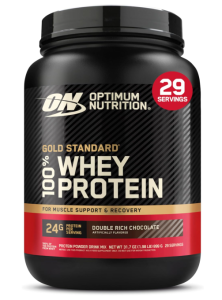
- Mix 1 scoop of Optimum Nutrition Gold Standard Whey with water or milk for a simple, high-protein shake.
- Add to oatmeal, smoothies, or yogurt for a creamy, filling snack.
- Pair with a piece of fruit for extra fibre and sustained energy.
One scoop provides approximately 24 g protein and 120 calories — perfect for a midday pick-me-up without overloading your daily intake.
Plant-Based Protein Benefits
Plant-based proteins are derived from sources like pea, rice, and hemp, providing a slower-digesting protein that helps keep you full longer. If you’re looking for a sustained midday boost with added nutrients, plant protein is a great choice.
Why Plant Protein Works for Midday Energy
- Sustained energy: Slower digestion means your body gets a steady release of amino acids, keeping you full until your next meal.
- Nutrient-rich: Many plant proteins include fibre, vitamins, and minerals that support digestion and overall health.
- Allergen-friendly: Free from dairy, lactose, and often gluten, making it suitable for more dietary needs.
How to Enjoy Plant Protein Midday 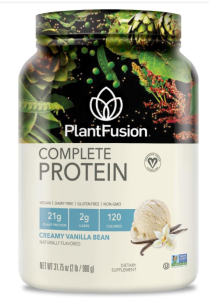
- Blend 1 scoop of PlantFusion Complete Plant-Based Protein with water, almond milk, or in a smoothie.
- Stir into oatmeal, chia pudding, or yogurt for a creamy, filling snack.
- Pair with nuts or seeds for extra healthy fats and sustained energy.
One scoop provides approximately 21 g protein and 110 calories — ideal for a midday snack or shake that keeps you energized.
Why Protein Matters for Your Midday Energy
Protein isn’t just for breakfast or post-workout — it plays a crucial role in keeping you energized and focused throughout the day. A well-timed protein intake at midday can help stabilize blood sugar, reduce cravings, and prevent the afternoon slump.
How Protein Supports Focus and Fullness
- Satiety: Protein takes longer to digest than carbs, helping you feel full and satisfied until your next meal.
- Cognitive function: Amino acids from protein support neurotransmitters that improve focus, mood, and alertness.
- Metabolism boost: Even a moderate protein snack can increase calorie burn slightly through the thermic effect of food.
Timing Your Protein Intake
- Aim to include 20–25 g of protein around lunchtime or early afternoon.
- Choose a whey protein shake if you need a quick boost or plant protein for slower, sustained energy.
- Combine with complex carbs or fibre (like fruit, oats, or seeds) to maximize fullness and maintain energy.
Whether you choose whey or plant protein, a midday protein boost can reduce the temptation for sugary snacks and keep your energy levels stable until dinner.

How to Incorporate Protein Into Your Midday Routine
Getting enough protein during the day doesn’t have to be complicated. By adding whey or plant-based protein into simple meals and snacks, you can stay energized, satisfied, and focused until your next meal.
Quick Midday Protein Ideas
- Protein Shake: Mix 1 scoop of Optimum Nutrition Gold Standard Whey or PlantFusion Complete Plant-Based Protein with water, milk, or a smoothie.
- Oatmeal Boost: Stir a scoop of protein into your morning oats or prepare overnight oats for an easy midday snack.
- Yogurt or Chia Pudding: Mix protein powder into Greek yogurt or chia pudding for a creamy, filling treat.
- Snack Pairings: Combine protein with fruit, nuts, or seeds for fibre and healthy fats that help extend energy levels.
Portion Sizes and Serving Recommendations
| Protein Source | Serving Size | Protein (g) | Calories |
|---|---|---|---|
| Whey Protein (Optimum Nutrition) | 1 scoop (~30 g / 1.06 oz) | 24 g | 120 cal |
| Plant Protein (PlantFusion) | 1 scoop (~29 g / 1.02 oz) | 21 g | 110 cal |
For optimal midday energy, aim for 20–25 g of protein per serving, paired with a small amount of complex carbs or fibre. This helps maintain satiety and steady energy without overloading your calorie intake.
For more ways to stay energized between meals, check out our tips on healthy snacks for sustained energy and learn how to keep cravings under control throughout the day.
Research indicates that both whey and plant proteins play important roles in health and metabolism. According to Harvard T.H. Chan School of Public Health, diets with a higher proportion of plant‑based protein compared with animal‑based protein are linked to lower risks of cardiovascular disease and coronary heart disease. At the same time, the American Heart Association highlights that choosing healthy protein sources — including plant proteins like beans, legumes, and nuts — as part of a balanced eating pattern may support overall wellness and help maintain energy throughout the day.
Frequently Asked Questions
Which protein is better for afternoon energy?
Both whey and plant protein can provide a midday boost. Whey protein digests quickly for immediate energy, while plant protein releases amino acids more slowly, helping you stay full longer. Choose based on whether you want quick energy or sustained satiety.
Can plant protein provide all essential amino acids?
Yes — high-quality plant protein blends like PlantFusion Complete Plant-Based Protein combine multiple sources (pea, rice, fava bean) to give all essential amino acids comparable to whey protein.
How much protein should I have at lunch?
Aim for 20–25 g of protein around midday. This is enough to reduce cravings, support energy, and maintain muscle without overloading calories.
Are protein shakes necessary for midday energy?
Not always — you can meet your protein needs with meals and snacks, like Greek yogurt,chia pudding, or high-protein oats. Shakes are convenient when you’re short on time or want a portable option.
Can whey or plant protein help with weight management?
Yes — both types of protein help increase satiety and reduce unnecessary snacking, supporting weight management goals when combined with a balanced diet.
