

Always craving sweets after meals or mid-afternoon? You’re not alone. Persistent sugar cravings can be frustrating, impact your energy, and make it harder to stick to a healthy lifestyle.
Cravings often signal imbalances in blood sugar, nutrition, or lifestyle habits. By understanding why they happen and taking practical steps, you can reduce cravings, stay full longer, and feel more in control of your appetite.
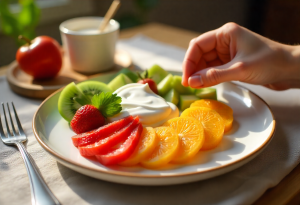
1. Balance Your Blood Sugar
Sugar cravings often spike when your blood sugar rises quickly after eating and then drops rapidly. This cycle triggers your brain to look for more quick energy — often in the form of sugary foods.
Signs your blood sugar may be causing cravings:
- Feeling hungry within an hour after a meal
- Sudden mood swings or irritability
- Strong cravings for chocolate or sweets
- Difficulty concentrating
Tips to stabilize blood sugar:
- Include protein in every meal (eggs, Greek yogurt, lean meats)
- Add fiber-rich fruits and vegetables to slow digestion
- Limit sugary drinks, desserts, and refined snacks
- Eat small, balanced meals every 3–4 hours
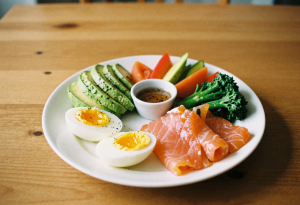
2. Prioritize Protein and Healthy Fats
Protein and healthy fats increase satiety hormones, helping your brain feel full and reducing the urge to snack on sugary foods.
Examples of protein and healthy fats:
- Protein: eggs, Greek yogurt, tofu, lean meats, beans
- Healthy fats: avocado, olive oil, seeds, fatty fish
Tips to stay full longer:
- Pair carbs with protein + healthy fat for steady energy
- Include protein and healthy fats in snacks as well as meals
- Plan meals that combine all three macronutrients for maximum satiety
Including protein and healthy fats in your meals can help curb sugar cravings naturally.

3. Stay Hydrated
Mild dehydration is often mistaken for hunger, which can trigger sugar cravings. Your body seeks quick energy when it doesn’t get enough fluids.
Signs of dehydration:
- Dry mouth or lips
- Mild headache or fatigue
- Feeling hungry shortly after eating
Tips:
- Drink a glass of water before meals or snacks
- Keep a water bottle handy all day
- Infuse water with fruit for a flavorful alternative to sugary drinks
Proper hydration can help you distinguish true hunger from sugar cravings.

4. Manage Stress
Stress increases cortisol, a hormone that can trigger cravings for high-sugar or high-fat foods. Emotional eating often follows stressful periods.
Signs stress may be driving cravings:
- Reaching for sweets when anxious or tired
- Craving comfort foods at specific times of day
- Feeling unable to control snacking during stressful events
Stress-management strategies:
- Practice mindful eating to recognize true hunger
- Take short walks or movement breaks
- Try meditation or deep breathing exercises
- Ensure adequate sleep for better stress resilience
Managing stress can reduce emotional sugar cravings and support better appetite control.

5. Get Enough Sleep
Sleep deprivation disrupts ghrelin and leptin, the hormones that control hunger and satiety. Poor sleep can increase cravings, particularly for sugary foods.
Tips for better sleep:
- Aim for 7–9 hours of quality sleep per night
- Keep a consistent bedtime and wake time
- Limit screens and bright lights before bed
- Create a calm, dark, and cool sleeping environment
Adequate sleep helps regulate hunger hormones and reduces sugar cravings.

6. Identify Trigger Foods
Certain foods can perpetuate sugar cravings if eaten regularly. Identifying these triggers is key to taking control.
Tips:
- Keep a food diary to track when cravings occur
- Reduce high-sugar processed snacks gradually
- Replace them with fruit, yogurt, or naturally sweet alternatives
- Experiment with flavors like cinnamon, vanilla, or citrus to satisfy sweet cravings naturally
Identifying trigger foods can help you take control of sugar cravings.
Wrap-Up
Reducing sugar cravings is about consistency and balance. By stabilizing blood sugar, prioritizing protein and healthy fats, staying hydrated, managing stress, getting enough sleep, and identifying trigger foods, you can curb cravings naturally and feel satisfied longer.
