

How can you sleep better tonight?. Most of us know the frustration of tossing and turning at night, staring at the ceiling while the clock ticks on. Poor sleep doesn’t just leave you feeling tired — it can affect your mood, focus, weight, and overall health.
The good news is that small, intentional changes can help you fall asleep faster, sleep more deeply, and wake up refreshed. These are practical strategies you can start tonight, rooted in lifestyle and environmental adjustments that support natural, restorative sleep.
Even minor tweaks to your daily routine and bedroom environment can make a noticeable difference, without relying on pills or complicated methods.
Create a Consistent Sleep Schedule
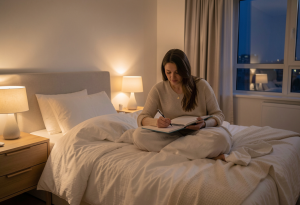
One of the most powerful ways to improve your sleep is by maintaining a consistent bedtime and wake-up time every day, even on weekends. Your body’s internal clock, or circadian rhythm, thrives on routine. When you stick to regular hours, falling asleep and waking up becomes easier, and the quality of your rest improves.
A practical way to implement this is by planning your day around your sleep. Decide how many hours of sleep you need — typically 7–9 for adults — and count backward from your desired wake-up time to set a bedtime. Treat it like any other appointment: protect those hours to ensure consistent, restorative sleep.
Over time, your body will adjust, helping you feel naturally sleepy at the right hour and wake up refreshed without hitting snooze multiple times.
Optimize Your Sleep Environment
Your bedroom environment plays a huge role in how well you sleep. Small adjustments can make a big difference in falling asleep faster and staying asleep throughout the night.
Focus on light, noise, and temperature: keep the room dark using blackout curtains or an eye mask, reduce disruptive sounds with earplugs or a white-noise machine, and maintain a cool, comfortable temperature around 18–20°C (65–68°F). Using 100% cotton sheets can help regulate body temperature, keeping you cool in the summer and comfortable in the winter.
Bedding comfort also matters — invest in a supportive mattress and pillows suited to your sleeping style.
Blue light, emitted from phones, tablets, computers, and TVs, mimics daylight and can suppress melatonin, the hormone that signals your body to sleep. Exposure in the evening can make it harder to fall asleep and reduce sleep quality. To protect your sleep, limit screen use at least 30–60 minutes before bedtime, or use blue-light filters on your devices.
Limit Stimulants & Heavy Meals Before Bed
What you consume in the evening can have a big impact on your sleep. Caffeine and nicotine are stimulants that make it harder to fall asleep, so try to avoid coffee, tea, energy drinks, or smoking within 6–8 hours of bedtime.
Alcohol may make you feel drowsy initially, but it actually disrupts your sleep cycles. It can reduce restorative deep sleep and cause more frequent awakenings during the night. Even small amounts close to bedtime can leave you feeling groggy in the morning.
Large or heavy meals late at night can also interfere with sleep, especially if they are high in sugar or fat. Aim to finish your last meal 2–3 hours before bedtime. This gives your body time to digest, reducing the chances of heartburn or discomfort that can disrupt sleep. If you’re still hungry closer to bedtime, opt for a light, balanced snack such as yogurt, a small handful of nuts, or a piece of fruit.
Mind & Body Relaxation Techniques to Sleep Better Tonight
If you want to sleep better tonight, calming your mind and body before bed is essential. Stress, racing thoughts, or tension in your body can make it difficult to fall asleep, even if you’ve followed other sleep strategies.
Simple practices like deep breathing exercises, gentle stretching, meditation, or light yoga can calm your nervous system and help you sleep better tonight. Spending 10–15 minutes winding down each evening can make a noticeable difference.
In addition, mindfulness techniques such as journaling or focusing on your breath reduce evening stress, helping establish better sleep habits and improving overall sleep quality.
Reduce Screen Time to Sleep Better Tonight
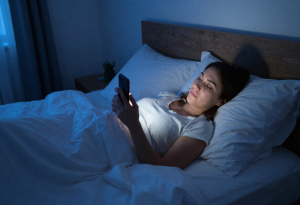
To sleep better tonight, it’s important to manage your screen exposure in the evening. Phones, tablets, computers, and TVs emit blue light, which mimics daylight and suppresses melatonin — the hormone that signals your body it’s time for rest. Even 30–60 minutes of screen use before bed can make it harder to fall asleep and reduce sleep quality.
To protect your sleep, set a screen curfew or use blue-light filters on your devices. Pair this with dim lighting in your bedroom to signal to your body that it’s time to wind down, supporting better sleep habits and helping you fall asleep faster naturally.

Use Natural Sleep Aids to Sleep Better Tonight
If you’re looking for extra support to sleep better tonight, natural aids can help without relying on medication. Herbal teas like chamomile or passionflower, a small magnesium supplement, or relaxing essential oils such as lavender can promote calm and improve sleep quality.
These should be used alongside other strategies like consistent sleep schedules, a sleep-friendly environment, and relaxation techniques. Avoid overreliance, and always consult a healthcare professional if you have health concerns. Incorporating natural sleep aids responsibly can reinforce better sleep habits and help you enjoy more restorative rest.
Track Your Sleep
To sleep better tonight and over the long term, tracking your sleep patterns can be incredibly helpful. Keeping a simple sleep journal or using a sleep-tracking app allows you to identify patterns, such as what time you naturally feel sleepy, how long it takes to fall asleep, and which habits affect your rest.
By reviewing your sleep data, you can make small adjustments — like shifting your bedtime, changing your evening routine, or modifying your environment — to strengthen better sleep habits and ensure each night of rest is more restorative.
Next Steps for Better Sleep
Improving your sleep doesn’t require drastic changes — small, intentional adjustments can make a significant difference. By maintaining a consistent sleep schedule, optimizing your environment, limiting stimulants, practicing relaxation techniques, reducing screen exposure, and tracking your sleep, you can sleep better tonight and build long-term better sleep habits.
According to the CDC, adults should aim for 7–9 hours of sleep per night, maintain consistent routines, and create a sleep-friendly environment to promote restorative rest. Start implementing these strategies tonight, and you’ll notice gradual improvements in both sleep quality and overall well-being.
