

Smart nutrition is more than just following the latest diet trend — it’s about making balanced eating choices that support your body, mind, and long-term health. By focusing on nutrient-rich foods and proper portion sizes, you can improve energy, maintain a healthy weight, and strengthen your immune system. Understanding these principles allows you to make informed decisions without feeling restricted or overwhelmed.
Incorporating healthy diet habits doesn’t have to be complicated. Simple steps like planning meals, choosing whole foods over processed options, and ensuring a variety of vitamins and minerals in your diet can make a significant difference. These nutrition tips not only improve physical health but also support mental clarity, mood, and overall well-being.
Whether you’re looking to optimize your daily meals or establish long-term healthy eating habits, smart nutrition is the foundation for building a stronger, healthier you. In the sections below, we’ll explore practical strategies, key benefits, and actionable tips to make balanced eating a natural part of your lifestyle.
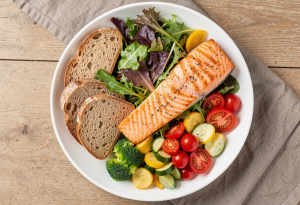
What Smart Nutrition Really Means
Healthy eating is about choosing foods that provide the nutrients your body needs to function at its best. Rather than following strict diets or avoiding certain foods entirely, it focuses on balanced eating that includes a variety of macronutrients — proteins, carbohydrates, and healthy fats — and essential vitamins and minerals.
According to Harvard Health Publishing, a balanced diet that emphasizes vegetables, whole grains, and lean proteins supports overall health and long-term wellness
At its core, you want to emphasize quality over quantity, meaning the foods you select should nourish your body, support energy levels, and improve overall health. Incorporating healthy diet habits, like choosing whole grains, lean proteins, fruits, and vegetables, ensures your meals are packed with nutrients without relying on empty calories.
Practicing this lifestyle also involves listening to your body, understanding portion sizes, and planning meals in advance. These nutrition tips help you maintain steady energy, improve digestion, and support mental clarity. By adopting these principles, you’re not just eating to fill up — you’re eating to thrive.
Ultimately, eating well needs to be a sustainable, long-term approach that empowers you to make informed choices and build habits that last a lifetime.
Key Benefits of Healthy Eating
Adopting these food choices provides a wide range of benefits that impact both your body and mind. One of the most immediate effects is stable energy throughout the day. By following balanced eating habits that combine proteins, healthy fats, and complex carbohydrates, you can avoid energy crashes and stay focused.
Another major benefit is better overall health. A nutrient-rich, healthy diet supports your immune system, strengthens bones and muscles, and helps manage weight. Over time, consistent smart nutrition choices can lower the risk of chronic diseases, including heart disease, diabetes, and certain types of cancer.
Mental clarity and mood regulation are also influenced by what you eat. Vitamins, minerals, and omega-3 fatty acids found in whole foods support brain function and emotional well-being. Simple nutrition tips, like including leafy greens, colorful vegetables, and lean proteins, make a tangible difference in how you feel day-to-day.
Finally, practicing balanced diet encourages mindful eating and sustainable habits. By focusing on balanced eating, you’re not just improving short-term results — you’re building a foundation for long-term health, energy, and vitality.
The World Health Organization notes that following a healthy diet rich in nutrient-dense foods can help prevent chronic diseases and support essential bodily functions throughout life.

Practical Strategies
Putting this way of eating into practice doesn’t have to be complicated. One of the easiest ways to start is through meal planning. Planning your meals ahead ensures you include a variety of nutrient-rich foods, helps control portions, and reduces the temptation to rely on processed or fast foods.
Focus on creating a balanced eating plate:
- Half your plate vegetables and fruits
- One quarter lean protein such as fish, poultry, beans, or tofu
- One quarter whole grains, like quinoa, oats, or brown rice
In addition, healthy diet habits include choosing whole foods over processed options, staying hydrated, and eating mindfully. Pay attention to your body’s hunger and fullness cues and try to eat without distractions when possible.
Other simple nutrition tips:
- Incorporate a variety of colors on your plate for more vitamins and minerals
- Rotate protein sources to ensure a broad nutrient intake
- Prep snacks and meals in advance to avoid last-minute unhealthy choices
- By using these strategies consistently, nutrient-rich eating becomes a sustainable part of your lifestyle. Over time, these habits improve energy, support weight management, and enhance overall well-being.
Make This a Lifestyle
Adopting this way of eating is not about short-term diets or strict rules — it’s about creating sustainable, balanced eating habits that support your long-term health. By focusing on nutrient-rich foods, planning your meals, and listening to your body, you can improve energy, mood, and overall well-being.
Consistency is key. Even small changes, like incorporating more fruits and vegetables, choosing lean proteins, or practicing meal planning, can make a significant difference over time. Following these nutrition tips helps you build a foundation for lasting health, stronger immunity, and better mental clarity.
Remember, eating this way needs to be flexible. Allow yourself to enjoy occasional treats while maintaining healthy routines. Over time, these habits become second nature, helping you feel your best every day. With commitment and thoughtful choices, you will live a healthier, more vibrant life — one meal at a time.
