

Step-parenting can feel heavier than anyone outside your home could imagine. You love your partner, you care about the kids, and you want to do your best — yet some days it feels like no matter what you do, it’s not enough. You may feel mentally exhausted before the day even begins or find yourself replaying conversations over and over in your head. Many step-parents carry guilt, anxiety, and constant self-doubt while trying to maintain peace in the family.
If that sounds familiar, hear this clearly: you are not failing. Step-parenting is genuinely hard, and feeling overwhelmed is normal. Protecting your mental health is more important than meeting unrealistic expectations.
This post is here to remind you that you don’t have to do everything to be a good step-parent, and protecting your mental health matters more than constantly pushing yourself to the limit. You are allowed to step back, let bio parents take responsibility, and prioritize your clarity, balance, and happiness.
Why Step-Parenting Impacts Mental Health So Deeply
Step-parenting places you in an emotional grey zone. You’re expected to be supportive without overstepping, caring without controlling, and present without being a parent in the legal or historical sense. That balancing act can create chronic stress, self-doubt, and emotional exhaustion.
You may find yourself overthinking every interaction, wondering if you said the right thing or acted appropriately, or feeling responsible for family harmony. Over time, this mental load can lead to anxiety, low mood, irritability, and even physical stress symptoms.
Recognizing that this stress is normal is the first step toward protecting your mental health. The role itself is complex, and the pressures you feel don’t mean you’re failing.
You’re Already Doing More Than You Realize
Step-parents often focus on what they aren’t doing rather than what they are. Showing patience. Staying calm. Trying to keep the peace. Caring even when it’s uncomfortable.
Those things matter more than you might think. Mental health improves when you stop measuring success by perfection and start acknowledging the effort you are already giving.
You are doing well just by being present, steady, and respectful — and that counts as success.
You Don’t Have to Carry Everything
One of the biggest traps step-parents fall into is believing they must do everything. Emotional labor, discipline, household management, relationship mediation — it’s far too much for one person to carry.
You are allowed to step back. You are allowed to let go of responsibilities that were never yours. You are allowed to choose calm over constant control.
Doing less does not mean you care less — it means you are caring sustainably. Mental clarity comes when you stop trying to fix everything and start protecting your emotional energy.
It’s Okay to Demand Bio Parents Take Responsibility
Bio parents have history, authority, and natural bonds with their children. When they step back and allow the step-parent to carry too much, it creates imbalance and tension.
It’s healthy — and necessary for your mental health — to expect bio parents to take responsibility for discipline, emotional guidance, and key decisions.
Stepping back allows you to support rather than over-function. It prevents burnout and shows that you respect the family structure while still showing care.
You do not need to do everything to be a good step-parent — letting bio parents lead is part of doing your job well.
Stepping Back Brings Mental Clarity
Many step-parents fear that stepping back will create distance or resentment. In truth, it often brings relief.
When you reduce emotional over-involvement:
• Your nervous system settles
• Your reactions soften
• Your mind feels clearer
• Your decisions become more thoughtful
Peace doesn’t come from trying harder; it comes from knowing your limits and protecting your well-being.
You’re Allowed to Protect Your Happiness
Happiness in step-parenting doesn’t always look like closeness or constant bonding. Sometimes it’s simply feeling calm in your own body, sleeping better, or thinking less about what’s “expected.”
You are allowed to want peace.
You are allowed to prioritize your mental health.
You are allowed to step back without guilt.
Taking care of yourself allows you to show up calmer, happier, and more emotionally available when it matters most.
Why This Perspective Has Helped So Many Step-Parents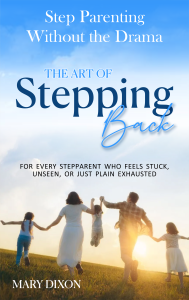
Many step-parents experience a profound sense of relief when they realize they don’t have to over-function to be valued. Guidance that validates stepping back instead of pushing harder can completely shift the step-parenting experience.
This is why the book Step-Parenting Without The Drama: The Art of Stepping Back has been a game-changer for so many people.
It reassures step-parents that they are doing well, that it is okay to step back, and that protecting mental health is not giving up — it’s choosing balance and happiness.
The book provides clear strategies to help you:
• Step back without guilt
• Let bio parents take the lead
• Protect your emotional energy
• Build clarity and perspective
• Find calm even when the household is stressful
Many readers have described it as the guide that finally made them feel they could breathe and feel confident in their role.
Final Thoughts
Step-parenting is hard. That doesn’t mean you’re failing.
You don’t have to do everything.
You don’t have to fix everything.
You don’t have to carry what isn’t yours.
You are already doing enough — and stepping back is not only allowed, it’s encouraged.
Letting bio parents take responsibility and protecting your mental health are acts of wisdom, not weakness.
You can create a calmer, clearer, and happier step-parenting experience simply by trusting yourself and the structure of the family. You are doing well, and it’s okay to let that be enough.