

Why Sleep Feels Out of Reach
It happens to everyone at some point—you lie down, close your eyes, and instead of drifting off, your mind starts racing. Thoughts about work, family, or even just the random events of the day flood your brain, making sleep feel impossible. Poor sleep doesn’t just make you tired; it can affect your mood, your focus, and even your overall health. Chronic sleep deprivation is linked to stress, weight gain, and a weakened immune system. So why is it that sometimes, no matter how tired you are, you just can’t fall asleep?
One reason is that your body may be producing too much stress hormone, cortisol, especially at night. High cortisol levels can make your mind hyper-alert and restless. Environmental factors also play a role—too much screen time, inconsistent sleep schedules, caffeine too late in the day, and even room temperature can all interfere with your natural sleep cycle. Understanding what might be keeping you awake is the first step toward fixing it.
Small Changes That Make a Big Difference
Sometimes the simplest habits can make the biggest impact. Creating a calm, sleep-friendly environment can be surprisingly effective. Start by dimming lights an hour before bed and limiting your exposure to screens, as the blue light emitted from phones and computers can trick your brain into thinking it’s still daytime. Keeping your bedroom cool and quiet can also help your body naturally relax.
Establishing a consistent bedtime routine is another powerful tool. Whether it’s reading a book, stretching, or listening to calming music, the goal is to signal to your brain that it’s time to wind down. Even small rituals, like taking a warm shower or practicing gentle breathing exercises, can prepare your body and mind for sleep.
Supplements That Support Better Sleep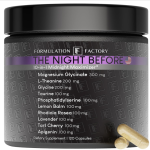
For many people, adjusting habits alone isn’t enough, and that’s where natural supplements can be a helpful addition. One supplement that has gained popularity for its relaxing properties is a magnesium-based formula specifically designed to support sleep. Magnesium is an essential mineral that plays a key role in relaxing muscles and calming the nervous system, which can make it easier to fall asleep and stay asleep. Certain forms, like magnesium glycinate, are particularly well-absorbed by the body, helping to maximize the benefits.
If you’ve tried other strategies and still find yourself tossing and turning, adding a high-quality sleep supplement can give your body the extra support it needs to unwind. Many users have reported falling asleep faster, waking up feeling more refreshed, and experiencing fewer restless nights after incorporating a magnesium-based sleep aid into their evening routine.
Evening Habits That Work With Supplements
Taking a supplement is most effective when paired with good sleep habits. Timing is important—taking a magnesium-based sleep supplement about 30 to 60 minutes before bedtime allows your body to start feeling relaxed just as you’re ready to lie down. Pair it with other relaxing routines, like gentle stretches, deep breathing, or listening to soft music, and your body will naturally begin to prepare for rest.
Limiting caffeine and heavy meals in the evening also complements the effects of supplements. Even small changes, like swapping late-night coffee for herbal tea or avoiding spicy dinners close to bedtime, can make a noticeable difference in how quickly you fall asleep. Consistency is key: your body thrives on routine, and over time, these habits can train your body to transition into sleep more easily.
Mental Techniques for Falling Asleep Faster
Sometimes, it’s not your body but your mind that keeps you awake. Racing thoughts, anxiety, and stress are common culprits of sleepless nights. Mindfulness techniques, guided meditations, or journaling before bed can help calm the mind. One method is to write down your worries or to-do list for the next day, effectively “parking” your thoughts outside your brain and freeing your mind to relax.
Another technique is progressive muscle relaxation, where you consciously tense and release each muscle group in your body. This helps relieve physical tension and signals to your nervous system that it’s time to rest. Combining these mental strategies with a natural sleep supplement can create a powerful sleep-support system.
Listening to Your Body
Everyone’s sleep needs are different, and it’s important to pay attention to how your body responds. If you try a supplement, notice how quickly you fall asleep, how deep your sleep feels, and how refreshed you feel in the morning. Adjust routines as needed—sometimes it’s a combination of multiple small changes that leads to the best results. Remember, supplements are there to support your sleep, not replace healthy habits.
A sleep aid can be a valuable ally in your bedtime routine, especially for those who struggle to unwind naturally. Over time, pairing consistent sleep habits with a relaxing supplement can lead to better sleep quality, more energy during the day, and an overall improvement in well-being.
Final Thoughts
Struggling with sleep is frustrating, but it doesn’t have to define your nights. By understanding the reasons behind your sleeplessness, creating an environment conducive to rest, and considering a high-quality sleep supplement, you can take control of your sleep. Start with small, manageable changes and give your body the support it needs to relax. Whether it’s dimming lights, limiting screens, practicing mindfulness, or trying a good quality supplement, the combination of strategies can make falling asleep and staying asleep easier than you think.
Sleep isn’t just a luxury—it’s essential for your health, focus, and mood. Giving yourself the tools and routines to sleep well is one of the most valuable things you can do for yourself.
