

Sustainable weight management is about creating realistic habits that help you maintain a healthy weight over the long term — not about short-term diets or extreme measures that only provide temporary results. By focusing on consistent, practical lifestyle changes, you can support your metabolism, energy levels, and overall well-being while reducing the risk of rebound weight gain. This approach emphasizes balanced nutrition, regular physical activity, adequate rest, and mindful habits that fit naturally into your life. In this article, we’ll explore evidence-backed strategies to help you build sustainable habits that last and improve your relationship with food, movement, and your body.

Why Sustainable Weight Management Matters
Maintaining a healthy weight over the long term is about more than just the number on the scale. Quick-fix diets and extreme restriction often lead to rebound weight gain, frustration, and burnout. Sustainable weight management focuses on small, consistent lifestyle habits that improve metabolism, energy, and overall health. By prioritizing realistic, evidence-based strategies, you can avoid the stress of yo-yo dieting and enjoy lasting results. Over time, these habits support better mood, improved sleep, and reduced risk of chronic conditions like diabetes, heart disease, and joint strain.
Key Habits for Sustainable Weight Management
Creating lasting healthy habits is the cornerstone of sustainable weight management. By focusing on balanced nutrition, regular physical activity, mindful eating, and adequate rest, you can support your metabolism, maintain energy, and enjoy long-term results.
Balanced Nutrition
Eating nutrient-dense foods consistently is more effective than short-term restrictive diets. Prioritize vegetables, fruits, lean proteins, whole grains, and healthy fats. Simple swaps, like water instead of sugary drinks, can have a cumulative effect over time and help manage appetite naturally.
Regular Physical Activity
Daily movement supports metabolism, muscle health, and mood. Activities like brisk walking, cycling, strength training, or yoga help burn calories, maintain muscle, and improve cardiovascular health. Aim for a mix of aerobic and strength exercises throughout the week.
Sleep and Stress Management
Restful sleep and stress reduction play a vital role in maintaining a healthy weight. Poor sleep can disrupt hunger hormones, while chronic stress may lead to emotional eating. Aim for 7–9 hours of sleep, establish a calming bedtime routine, and practice mindfulness or gentle relaxation techniques.
Mindful Eating & Portion Awareness
Slowing down, paying attention to hunger cues, and avoiding distractions during meals helps prevent overeating. Mindful eating also encourages enjoyment of food and better recognition of fullness, supporting long-term weight management.

Common Weight Management Mistakes to Avoid
Over-Restricting Calories
Very low-calorie diets may seem effective in the short term, but can slow metabolism, cause nutrient deficiencies, and often lead to rebound weight gain. Sustainable weight management focuses on balanced, adequate nutrition rather than extreme restriction.
Skipping Meals
Skipping breakfast or other meals can increase hunger later in the day, making overeating more likely. Regular, balanced meals help control appetite and support stable energy levels.
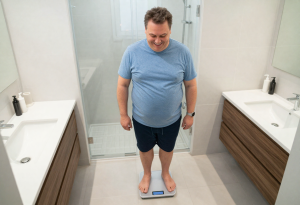
Focusing Only on the Scale
Weight naturally fluctuates due to hydration, hormonal changes, and other factors. Concentrating solely on the scale can be discouraging. Non-scale victories like improved energy, strength, endurance, and clothing fit are equally important.
Ignoring Hydration, Sleep, and Stress
Poor sleep and chronic stress disrupt hunger hormones and can trigger cravings. Inadequate water intake may also affect energy and appetite control. Prioritizing sleep, stress management, and hydration supports long-term results.
Tips for Long-Term Success
Set Realistic Goals
Focus on achievable, incremental changes rather than drastic overhauls. Small, consistent adjustments are easier to maintain and lead to long-term results.
Track Progress Without Obsessing
Use journals, apps, or habit trackers to monitor meals, activity, and sleep. Celebrate improvements in energy, mood, or fitness, not just changes on the scale.
Celebrate Non-Scale Victories
Notice positive changes like better stamina, improved flexibility, clothes fitting more comfortably, or enhanced mood. Recognizing these wins supports motivation.
Build Accountability
Share goals with a friend, family member, or coach. Regular check-ins, group workouts, or habit challenges can help maintain commitment and consistency.

Frequently Asked Questions
What is sustainable weight management?
Sustainable weight management is the practice of maintaining a healthy weight through long-term, realistic lifestyle habits instead of short-term crash diets. It focuses on balanced nutrition, regular activity, restful sleep, and mindful eating.
How long does it take to build healthy habits?
Consistency is key. Small changes repeated daily over weeks and months become natural routines. Most people notice meaningful improvements within 4–12 weeks, while full habit integration can take several months.
Can I maintain weight without strict dieting?
Yes. Sustainable weight management emphasizes balanced meals, portion awareness, and regular activity rather than extreme restriction. This approach is easier to maintain and reduces the risk of rebound weight gain.
What types of exercise work best for long-term weight control?
A combination of aerobic exercise (walking, cycling, swimming) and strength training supports metabolism, muscle maintenance, and cardiovascular health. Daily movement and consistent routines are more important than intense short-term workouts.
How do sleep and stress affect weight management?
Poor sleep disrupts hunger hormones and can increase cravings, while chronic stress may lead to emotional eating. Prioritizing 7–9 hours of restorative sleep and practicing stress management supports consistent weight management.
According to the Centers for Disease Control and Prevention (CDC), sustainable weight management is best achieved through consistent healthy eating, regular physical activity, and behavioral strategies. The World Health Organization (WHO) emphasizes that gradual, lifestyle-based approaches reduce the risk of chronic diseases and support long-term success
