
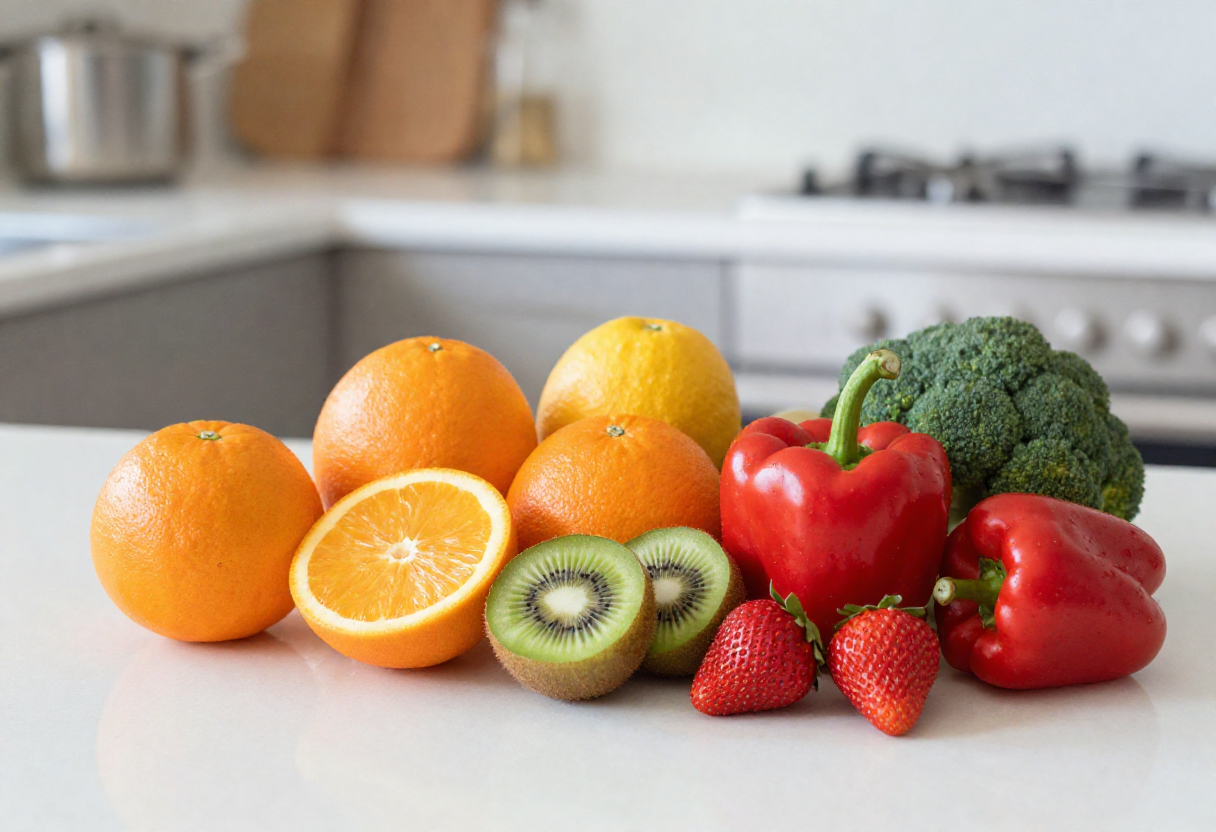
Vitamin C, also known as ascorbic acid, is an essential nutrient that your body can’t produce on its own. It plays a vital role in keeping your immune system strong, supporting collagen production, and protecting your cells from damage.
In this article, we’ll explore why vitamin C is important, the health benefits it offers, the best food sources, how much you need daily, and how to safely get enough to support your overall wellness.

What Vitamin C Actually Does
Vitamin C is much more than just an “immune booster.” It plays several crucial roles in your body, supporting everything from your skin to your overall immune function. Including enough vitamin C in your daily diet can help your body perform these essential functions effectively.
-
Antioxidant Protection: Vitamin C helps protect your cells from damage caused by free radicals, which are unstable molecules that can contribute to aging and chronic disease. By neutralizing these free radicals, vitamin C supports long-term health and reduces oxidative stress.
-
Collagen Production: This vitamin is essential for producing collagen, a protein that keeps skin elastic, blood vessels strong, and joints and bones healthy. Collagen also plays a vital role in wound healing and tissue repair.
-
Immune System Support: Vitamin C enhances the function of immune cells, helping your body fight off infections and recover more quickly. It also supports the production of antibodies and strengthens the skin’s natural barrier against pathogens.
-
Iron Absorption: Vitamin C improves the absorption of non-heme iron, the type found in plant-based foods like spinach and beans. This is especially important for vegetarians and anyone at risk of iron deficiency.
-
Wound Healing & Tissue Repair: By supporting collagen synthesis and acting as an antioxidant, vitamin C promotes faster healing of cuts, scrapes, and other injuries while maintaining healthy connective tissue.

Top Food Sources of Vitamin C
Including vitamin C–rich foods in your daily diet is the easiest way to meet your body’s needs. Below are some of the best sources, along with the approximate vitamin C content per serving and the percentage of the recommended daily intake (RDI) they provide.
| Food | Serving Size | Vitamin C (mg) | % Daily Value* |
|---|---|---|---|
| Orange | 1 medium (131g) | 70 mg | 78% |
| Kiwi | 1 medium (76g) | 71 mg | 79% |
| Strawberries | 1 cup, halves (152g) | 89 mg | 99% |
| Red Bell Pepper | 1 cup, chopped (149g) | 190 mg | 211% |
| Broccoli | 1 cup, cooked (156g) | 102 mg | 113% |
| Brussels Sprouts | 1 cup, cooked (156g) | 97 mg | 108% |
| Spinach | 1 cup, raw (30g) | 8 mg | 9% |
| Tomato | 1 medium (123g) | 17 mg | 19% |
*Based on RDI for adults: 90 mg/day for men, 75 mg/day for women
Eating a combination of these foods daily can help you reach your vitamin C needs naturally while also providing fiber, antioxidants, and other essential nutrients.

How Much Vitamin C Do You Need?
The amount of vitamin C you need varies depending on age, sex, and life stage. Most adults can meet their requirements through a balanced diet rich in fruits and vegetables.
| Group | Recommended Daily Intake (RDI) |
|---|---|
| Adult Men | 90 mg |
| Adult Women | 75 mg |
| Pregnant Women | 85 mg |
| Breastfeeding Women | 120 mg |
| Children 4–8 years | 25 mg |
| Children 9–13 years | 45 mg |
Tip: Smokers or people under high stress may need an extra 35 mg per day, as smoking increases oxidative stress and depletes vitamin C levels.
Eating a mix of vitamin C–rich foods daily can easily help you meet these requirements, keeping your body healthy and supporting immune function, skin health, and overall well-being.

Signs of Vitamin C Deficiency
Vitamin C deficiency can develop when your diet lacks sufficient fruits and vegetables over time. Recognizing the signs early can help prevent more serious health issues. Common symptoms include:
- Fatigue or Weakness: Feeling unusually tired or lacking energy, even with adequate rest.
- Easy Bruising: Small bumps or minor injuries may leave noticeable bruises due to weakened blood vessels.
- Dry Skin and Hair Breakage: Collagen deficiency can make skin rough and hair brittle.
- Slow Wound Healing: Cuts, scrapes, or sores may take longer to heal.
- Gum Problems: Swollen, bleeding, or tender gums are a common sign of low vitamin C levels.
- Scurvy (Severe Deficiency, Rare): In extreme cases, prolonged deficiency can cause severe joint pain, anemia, and more serious health complications.
Tip: Most people in developed countries get enough vitamin C through diet, but deficiency can occur in individuals with limited fruit and vegetable intake, smokers, or people with certain medical conditions.

Key Health Benefits of Vitamin C
Vitamin C offers a wide range of health benefits beyond just preventing deficiency. Here are the main ways it supports your body:
- Immune Function: Vitamin C enhances the activity of white blood cells, helping your body fight infections more effectively. It also supports the production of antibodies and strengthens the skin’s natural barrier against germs.
- Skin & Collagen Support: By promoting collagen synthesis, vitamin C keeps skin firm, elastic, and youthful. It also aids in wound healing and helps maintain the integrity of blood vessels, bones, and cartilage.
- Antioxidant Activity: Vitamin C protects your cells from oxidative stress caused by free radicals. This helps reduce inflammation and supports recovery from exercise or environmental stressors.
- Heart Health: Some studies suggest vitamin C may support cardiovascular health by helping to maintain healthy blood vessels and reducing blood pressure.
- Enhanced Iron Absorption: Vitamin C helps the body absorb non-heme iron from plant-based foods, which can help prevent iron deficiency anemia.
- Weight Management Support: Vitamin C plays a role in the metabolism of fat. Studies suggest that having adequate vitamin C levels can improve fat oxidation during exercise, which may support weight management goals.
- Overall Wellness: Regular intake of vitamin C-rich foods contributes to energy production, mental well-being, and general vitality.

Safety & Side Effects
Vitamin C is generally safe for most people when consumed through foods or supplements within the recommended limits. However, very high doses can sometimes cause side effects.
- Recommended Upper Limit: For adults, the tolerable upper intake level (UL) is 2,000 mg per day. Going above this may increase the risk of side effects.
- Common Side Effects of Excess: Taking very high doses of vitamin C may cause digestive issues such as stomach cramps, diarrhea, or nausea.
- Kidney Stones Risk: People prone to kidney stones should consult a doctor before taking high-dose vitamin C supplements, as it may increase the risk in some individuals.
- Interactions with Medications: Vitamin C can interact with certain medications, including chemotherapy drugs, blood thinners, and statins. Always check with your healthcare provider before starting a supplement.
Tip: Most people can safely get enough vitamin C through a diet rich in fruits and vegetables, avoiding the need for high-dose supplements.

Frequently Asked Questions (FAQ)
1. How much vitamin C do I need daily?
Adults need about 75 mg/day for women and 90 mg/day for men, with higher requirements for pregnancy, breastfeeding, and smokers. Most people can meet this through a balanced diet rich in fruits and vegetables.
2. Can vitamin C help with weight loss?
Vitamin C supports fat metabolism and may improve fat oxidation during exercise. Adequate levels can help your body utilize fat more efficiently, supporting weight management goals alongside a healthy diet and exercise.
3. What are the best food sources of vitamin C?
Top sources include oranges, kiwis, strawberries, bell peppers, broccoli, Brussels sprouts, and leafy greens. Eating a variety of these foods daily can easily meet your vitamin C needs.
4. Can I take too much vitamin C?
Yes, very high doses above 2,000 mg/day may cause digestive issues like stomach cramps, diarrhea, or nausea. People prone to kidney stones should be cautious with high-dose supplements.
5. Does cooking destroy vitamin C?
Vitamin C is sensitive to heat, light, and air. Lightly steaming or eating fruits and vegetables raw preserves the most vitamin C, while prolonged cooking can reduce the content.
6. Can vitamin C prevent colds?
Vitamin C may slightly reduce the duration and severity of colds, but it is not a guaranteed prevention method. Regular intake supports overall immune function.
Vitamin C is an essential nutrient that supports your immune system, skin health, and overall wellness. Including a variety of fruits and vegetables in your daily diet ensures you get enough vitamin C to meet your body’s needs. For more detailed information on recommended intake and health benefits, you can refer to the National Institutes of Health – Vitamin C Fact Sheet and Harvard T.H. Chan School of Public Health – Vitamin C.
