

Weight loss over 40 comes with unique challenges, including changes in metabolism, hormone shifts, and lifestyle demands. However, with the right strategies, it’s entirely possible to achieve and maintain a healthy weight. Focusing on nutrient-dense foods, strength-building exercises, and sustainable habits can help support fat loss, boost energy, and improve overall well-being. By understanding how your body changes after 40 and adopting practical, realistic approaches, you can make weight loss more effective and long-lasting.
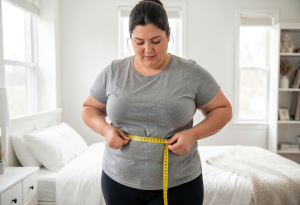
Why Weight Loss Changes After 40
After 40, your body experiences several hormonal shifts that influence weight:
- Declining estrogen (women): Estrogen helps regulate fat distribution. As it drops during perimenopause and menopause, fat tends to accumulate around the abdomen rather than the hips and thighs.
- Lower testosterone (men and women): Testosterone supports muscle maintenance. Lower levels reduce lean muscle mass, slowing metabolism and making fat loss more difficult.
- Cortisol spikes from stress: Chronic stress increases cortisol, a hormone that promotes fat storage, especially in the belly.
- Insulin resistance: Aging can reduce insulin sensitivity, causing your body to store more fat and crave high-carb foods.
These changes mean your body may store fat more efficiently and burn fewer calories at rest, even if your diet and activity level remain the same.
Key Hormones That Affect Fat Loss
1. Estrogen
Estrogen regulates where your body stores fat and how it responds to insulin. When estrogen levels decline:
- Fat shifts from the lower body (hips, thighs) to the belly and midsection.
- Appetite regulation can become less effective, leading to increased cravings.
- Insulin sensitivity may decrease, making it harder to process carbohydrates efficiently.
Tip: Strength training and high-protein meals help counteract muscle loss and maintain metabolism.
2. Testosterone
Testosterone is important for both men and women, but its effects differ:
- In Men: Testosterone naturally declines with age (around 1% per year after 30). Lower levels can reduce muscle mass, slow metabolism, increase fat storage (especially abdominal fat), and decrease energy and motivation.
- In women: Women produce much less testosterone than men, but it still plays a role in maintaining muscle mass, bone density, and metabolism. Levels gradually drop with age, particularly after menopause, making fat loss more difficult.
Lifestyle strategy:
- Strength training helps both men and women maintain muscle mass and boost metabolism.
- Adequate protein intake supports muscle repair and growth.
- Good sleep and stress management help maintain healthy testosterone levels naturally.
3. Cortisol
Cortisol, the stress hormone, rises with chronic stress and poor sleep. High cortisol:
- Increases fat storage in the abdominal area.
- Elevates appetite and cravings for sugary, high-calorie foods.
- Can interfere with sleep, further disrupting metabolism.
- Try meditation, deep breathing, or yoga.
- Prioritize 7–9 hours of quality sleep nightly.
- Include relaxing activities daily to reduce stress-induced cravings.
4. Insulin
Insulin regulates blood sugar. As insulin sensitivity drops:
- The body stores more fat, particularly around the waist.
- Blood sugar spikes and crashes may lead to increased snacking.
- Energy levels can fluctuate, making it harder to stick to an exercise routine.
Dietary strategy:
- Focus on low-glycemic carbs like vegetables, quinoa, and oats.
- Pair carbs with protein and healthy fats to stabilize blood sugar.
Practical Strategies for Hormone-Friendly Weight Loss
Even with hormonal changes, there are ways to support fat loss after 40:
1. Strength Training
Muscle naturally declines with age, which slows metabolism. Regular resistance training helps:
- Maintain or build lean muscle mass
- Boost resting metabolic rate
- Improve insulin sensitivity
Tip: Aim for 2–3 strength sessions per week, including bodyweight exercises, dumbbells, or resistance bands.
2. Balanced Nutrition
A diet that supports hormones and metabolism includes:
- Protein: Chicken, fish, eggs, tofu — helps maintain muscle and keeps you full.
- Healthy fats: Olive oil, avocado, nuts — support hormone production.
- Fiber-rich foods: Vegetables, legumes, and whole grains — stabilize blood sugar and improve digestion.
- Iron and micronutrients: Foods like spinach, lentils, eggs, and red meat help maintain energy and prevent deficiencies.
3. Sleep
Poor sleep affects cortisol, ghrelin, and leptin, hormones that regulate appetite and fat storage.
Tips for better sleep:
- Stick to a consistent bedtime and wake-up time.
- Keep your bedroom dark, quiet, and cool.
- Limit caffeine and screen time before bed.
4. Stress Management
Managing stress is key for hormone balance:
- Try daily meditation or deep breathing exercises.
- Take short walks in nature or practice yoga.
- Journaling or mindful reflection can reduce mental stress and cravings.
5. Track and Adjust
- Track measurements, not just weight, to see progress in fat loss and muscle retention.
- Monitor energy levels, cravings, and mood to adjust your diet and exercise plan.
- Consider checking hormone levels with a GP if weight loss remains difficult despite lifestyle changes.
Final Thoughts
Weight loss after 40 requires a different approach than in your younger years. Hormones influence fat distribution, appetite, and metabolism, but you can work with your body by:
- Prioritizing strength training
- Eating a balanced, nutrient-rich diet
- Managing stress and sleep
- Using supplements or tools wisely (with professional guidance)
By understanding your hormones and creating sustainable habits, fat loss and better energy become realistic — even after 40.
REFERENCES –
- Mayo Clinic — Weight gain & metabolism changes with age
- Mayo Clinic — Metabolism and weight loss: How you burn calories
