

Weight Loss With PCOS: Why It’s Hard and What Actually Helps
Weight loss with PCOS can feel frustrating and discouraging. Many women follow the same diet and exercise plans that work for others, yet see little to no progress. This isn’t a lack of effort — it’s often a reflection of how Polycystic Ovary Syndrome affects hormones, insulin regulation, and metabolism.
PCOS changes the way the body processes carbohydrates, stores fat, and responds to stress. These physiological differences can make weight loss slower and more complex compared to individuals without hormonal imbalances. Understanding these underlying mechanisms is the first step toward creating an approach that actually works.
Rather than relying on extreme dieting or excessive cardio, weight loss with PCOS requires strategies that support blood sugar balance, hormone regulation, and sustainable lifestyle habits. When these factors are addressed, meaningful and lasting progress becomes possible.

What Is PCOS and How Does It Affect Weight?
Polycystic Ovary Syndrome (PCOS) is a hormonal condition that affects how the ovaries function and how the body regulates key hormones, including insulin and androgens. While symptoms can vary, many women experience irregular cycles, acne, increased hair growth, and difficulty managing weight.
One of the most significant factors influencing weight loss with PCOS is insulin resistance. Insulin is the hormone responsible for helping cells absorb glucose from the bloodstream. When the body becomes resistant to insulin, it produces more of it to compensate. Elevated insulin levels can encourage fat storage — particularly around the abdomen — and increase hunger and cravings for carbohydrates.
PCOS can also affect metabolism and appetite regulation. Hormonal imbalances may influence how efficiently the body burns calories and how strongly hunger signals are triggered. This means that traditional calorie-focused approaches often feel harder to sustain and may not produce the same results as they would for someone without PCOS.
Understanding these biological factors shifts the focus from “trying harder” to using targeted strategies that work with the body, not against it.
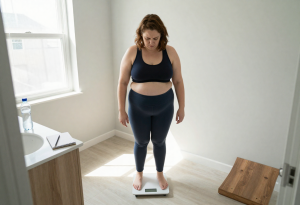
Why Weight Loss With PCOS Is Often More Difficult
Weight loss with PCOS can feel slower and more frustrating because the condition affects multiple systems in the body. Understanding these mechanisms helps explain why traditional approaches don’t always work and guides strategies that actually support results.
Insulin Resistance and Fat Storage
Many women with PCOS experience insulin resistance, which makes the body produce more insulin to manage blood sugar. Elevated insulin encourages fat storage — especially around the abdomen — and increases cravings for carbohydrates, making weight management more challenging.
Hormonal Imbalances
Hormones such as androgens and cortisol can disrupt appetite regulation, energy balance, and fat distribution. Elevated androgens may contribute to abdominal fat accumulation, while cortisol spikes from stress can further increase hunger and fat storage.
Slower Metabolic Adaptation
PCOS can reduce metabolic flexibility, meaning the body is less efficient at switching between burning carbs and fat for energy. This may lead to slower progress on traditional calorie-focused diets and increased difficulty maintaining weight loss.
Inflammation and Stress
Chronic low-grade inflammation, often present in PCOS, can worsen insulin resistance and interfere with hormone signalling. Combined with stress, this can make the body hold onto fat more readily and increase difficulty losing weight.

What Actually Helps With Weight Loss With PCOS
While PCOS makes weight loss more challenging, evidence-based strategies can help your body respond more effectively. These approaches focus on supporting insulin regulation, hormonal balance, and sustainable lifestyle habits.
Focus on Blood Sugar Balance
Eating balanced meals with protein, fibre, and low-GI carbohydrates helps stabilize blood sugar and reduce cravings. Examples include eggs with vegetables, lentils with quinoa, or Greek yogurt with berries.
Strength Training Over Excessive Cardio
Building lean muscle with resistance training increases metabolism and improves insulin sensitivity, which supports fat loss more effectively than long-duration cardio alone.
Daily Movement (Not Just Workouts)
Short bouts of non-exercise activity thermogenesis (NEAT), like walking, stretching, or household chores, add up over the day to burn extra calories and improve insulin sensitivity.
Prioritizing Sleep and Stress Management
Consistent sleep schedules and stress reduction techniques help regulate appetite hormones (ghrelin and leptin) and reduce cortisol, supporting better weight management.
Medical Support When Needed
Some women benefit from medications or supplements like metformin or inositols. These should always be discussed with a healthcare professional.

Small Daily Habits That Support Weight Loss With PCOS
In addition to diet and exercise, small daily habits can make a big difference for managing weight with PCOS. These habits reinforce blood sugar control, hormonal balance, and sustainable lifestyle changes.
Hydration
Drinking water regularly supports metabolism and helps reduce cravings. Aim for water before meals to encourage fullness.
Mindful Eating
Paying attention to hunger and fullness cues prevents overeating and helps you enjoy meals more. Focus on eating slowly and minimizing distractions.
Habit Tracking
Logging meals, movement, and sleep can highlight patterns and keep you accountable without calorie obsession.
Stress Check-Ins
Short, mindful breaks, breathing exercises, or light stretching reduce cortisol spikes and support balanced appetite regulation.
Meal Prep and Planning
Prepping balanced meals and snacks in advance ensures healthy options are always available, reducing the temptation for processed or high-sugar foods.
These small actions, practiced consistently, complement your overall weight-loss strategy and support the long-term management of PCOS.

Realistic Expectations for Weight Loss With PCOS
Weight loss with PCOS often progresses more slowly than for women without hormonal imbalances. It’s important to focus on consistency and sustainable lifestyle changes rather than expecting rapid results.
Focus on Body Composition, Not Just the Scale
Even if the number on the scale doesn’t drop quickly, changes in muscle mass, waist circumference, and energy levels indicate progress. Lean muscle gain can improve metabolism and insulin sensitivity over time.
Small, Steady Progress
Aiming for gradual, consistent weight loss — such as 0.5–1 kg per week — is more effective and maintainable than rapid dieting. Slow progress helps reinforce habits that last beyond short-term goals.
Celebrate Non-Scale Wins
Improved energy, better sleep, reduced cravings, and more regular cycles are all important indicators of success. Tracking these alongside weight provides a more complete picture of health improvements.
By setting realistic expectations, women with PCOS can stay motivated, reduce frustration, and create habits that support long-term success.

FAQ
Can I lose weight naturally with PCOS?
Yes. While PCOS makes weight loss more challenging, focusing on balanced meals, strength training, daily movement, sleep, and stress management can help support sustainable results.
How long does it take to see weight loss with PCOS?
Progress is often slower than in women without PCOS. Most people notice improvements in energy, cravings, and body composition within 4–8 weeks of consistent habit implementation.
Does insulin resistance affect weight loss?
Yes. Insulin resistance can increase fat storage and hunger, making weight management harder. Strategies that stabilize blood sugar — like high-protein meals, low-GI carbs, and resistance training — can improve results.
Should I focus on the scale or other indicators?
Focus on non-scale wins such as improved energy, better sleep, reduced cravings, and more regular cycles. Tracking body composition, waist measurement, and habits gives a fuller picture of progress.
Weight loss with PCOS can be challenging due to hormonal imbalances, insulin resistance, and metabolic differences. According to Mayo Clinic, realistic lifestyle changes — including balanced meals, regular exercise, and consistent habits — support sustainable weight management. Harvard Health Publishing highlights that combining diet, strength training, and stress management helps women with PCOS achieve long-term results without extreme dieting.
