
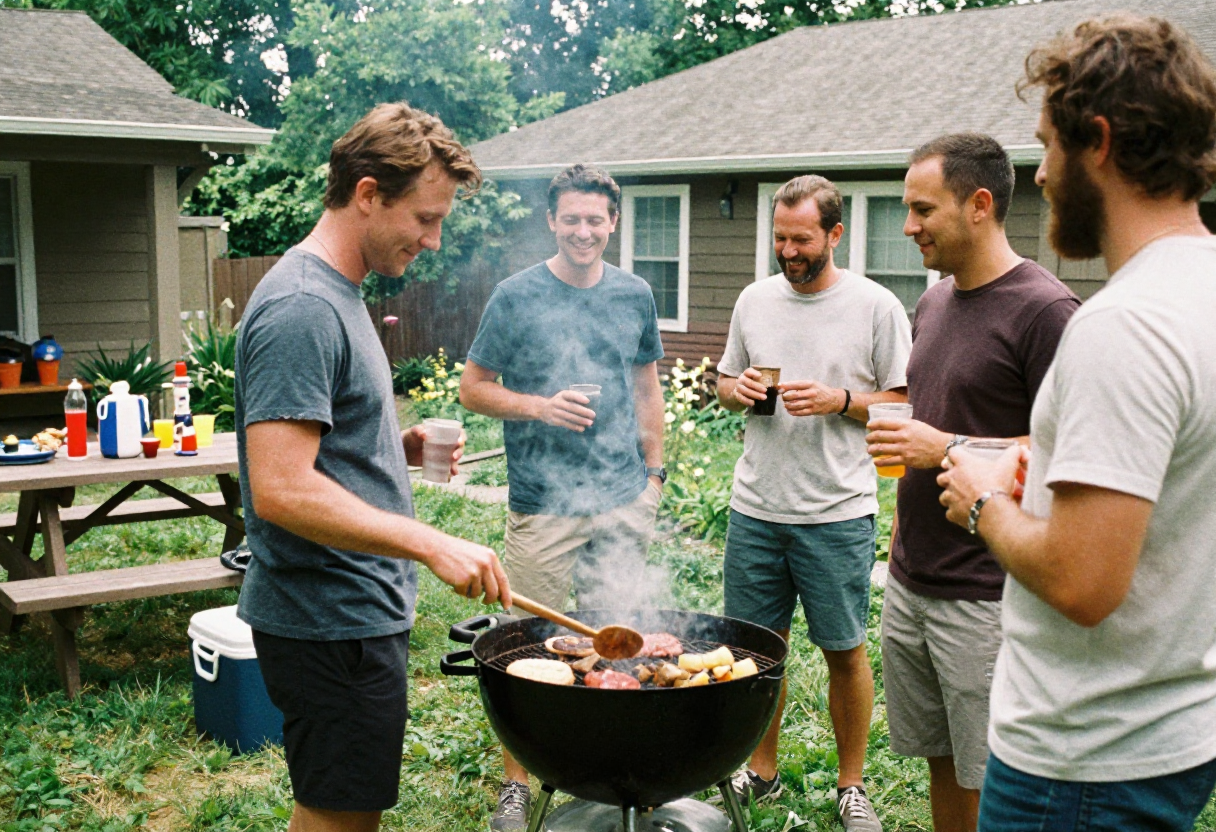
Most people assume a beer gut comes from drinking too much beer, but the truth is much more layered. You’ve probably seen people who hardly drink yet struggle with a round belly, while others enjoy nights out and seem to stay flat. A beer gut forms from a mix of how your body processes alcohol, how drinking affects your appetite and habits, and something many people don’t realise they have: food intolerances that cause long-term bloating and inflammation. When all three are happening at once, the stomach becomes the first place to show it.
How Alcohol Really Contributes to a Beer Gut
When alcohol enters your system, your body treats it as a priority. That means fat burning is paused until your body gets rid of the alcohol. Anything you eat around this time—crisps, takeaway, desserts—gets stored much more easily. The real calories don’t usually come from the alcohol itself but from the overeating that naturally happens around drinking.
Alcohol also makes you hungrier. It lowers your inhibitions, boosts cravings, and makes “whatever food is around” suddenly seem irresistible. Over time, alcohol can increase your cortisol levels. Cortisol is your stress hormone, and when it’s high, your body tends to store fat right around your midsection.
Add age to the mix—slower metabolism, less muscle, busy routines—and the belly becomes a hotspot for fat storage even if you’re only drinking casually.
Food Intolerances: The Hidden Reason Many Stomachs Look “Bigger”
Here’s something most people never consider: a beer gut can actually be bloat, not fat. Chronic bloating is often caused by undiagnosed food intolerances, and it can make your stomach look permanently swollen.
Common triggers include wheat, gluten, barley (the same grain used in beer), dairy, artificial sweeteners, soy, and even certain fruits. If your body struggles to break these down, you get inflammation, gas, water retention, and digestive discomfort—sometimes without obvious symptoms.
Alcohol can amplify this. It irritates the gut lining, slows digestion, and increases water retention. And if you’re drinking carbonated drinks? That’s extra gas in your digestive tract, which can push your stomach out even more.
This is why some people feel like their belly “inflates” after drinking or eating certain meals. It’s not extra fat—it’s your gut reacting to foods that don’t agree with you.
How to Reduce a Beer Gut Without Giving Up Nights Out
The good news is you don’t need to quit drinking completely to shrink your stomach. Small, consistent changes make a noticeable difference. Start with eating a proper meal before drinking so you’re less likely to reach for high-calorie snacks later. Try switching to non-carbonated drinks or lighter options to avoid that instant bloating feeling. Drinking earlier in the evening gives your body time to digest before bed, which helps with water retention and next-day swelling.
If you suspect food intolerances, try a short elimination period. Remove common triggers—wheat, gluten, dairy, barley, artificial sweeteners—for two weeks and see how your stomach responds. Many people are shocked by how much flatter their belly becomes once they cut the foods their body can’t tolerate. This isn’t about dieting; it’s about listening to your gut.
Adding even two days of strength training per week can also help your body burn fat more efficiently, keep your metabolism active, and reduce the stubborn fat that sits around the midsection.
Simple Ways to Limit Bloating After Eating or Drinking
You can also minimise the bloat itself with a few easy habits. Eating more slowly helps reduce swallowed air, which can make your stomach puff out. Staying hydrated during the day (not just while drinking) keeps digestion moving and reduces water retention. Herbal teas like peppermint, ginger, and fennel can help calm your gut after heavier meals or alcohol.
Avoid mixing alcohol with carbonated drinks if bloating is a major issue—sparkling mixers and beer can expand your stomach quickly. Adding more fibre from whole foods, not supplements, helps keep digestion smoother. Even a short walk after meals or drinks supports digestion and reduces belly swelling.
These small tweaks can make a noticeable difference in how your stomach looks and feels, even if nothing else in your routine changes.