

If you enjoy a drink but hate the bloated, sluggish feeling that often comes with it, you’re not imagining things. Some types of alcohol are far more likely to cause water retention, digestive discomfort, and sneaky calorie overload than others. The good news is you don’t need to stop drinking altogether to feel better. Making a few smarter choices can dramatically reduce bloating and keep calories in check.
A lot of post-drinking discomfort doesn’t come from alcohol itself, but from what’s mixed with it, how fast it’s consumed, and how dehydrated the body becomes. Understanding this makes it much easier to enjoy social drinks without paying for it the next day.
Why Alcohol Causes Bloating in the First Place
Alcohol irritates the digestive system and acts as a diuretic, meaning it causes the body to lose fluids. In response, your body often holds onto water afterward, leading to puffiness and bloating. Alcohol can also slow digestion, disrupt gut bacteria, and increase inflammation, especially when paired with high-sodium mixers or sugary drinks.
Carbonation, excess sugar, and artificial sweeteners can all worsen bloating, which is why some cocktails feel far heavier than others even if the alcohol content is similar.
The Lowest-Bloat Alcohol Options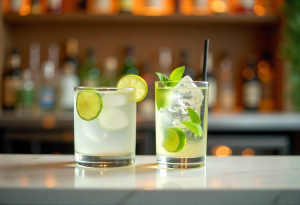
Clear spirits are generally the easiest on digestion when consumed in moderation. Vodka, gin, and tequila tend to contain fewer congeners, which are by-products of fermentation that contribute to bloating and hangovers.
A standard shot of vodka, gin, or tequila contains around 95–100 calories, and when mixed with soda water, fresh lime, or lemon, it stays relatively low in calories and sodium. These combinations are simple, refreshing, and far less likely to cause that tight, uncomfortable feeling in the stomach.
Dry wines are another reasonable option. A 150 ml glass of dry white wine or prosecco usually contains around 110–120 calories, while dry red wine is closer to 120–125 calories. Sweeter wines and dessert wines can easily climb to 160–200 calories per glass, mostly from sugar.
Alcohol Choices That Often Cause the Most Bloat
Pre-mixed drinks and cocktails are where calories and bloating sneak in fast. Many bottled premixed drinks contain 180–300 calories per serve, along with high levels of sugar and sodium. Creamy cocktails, frozen drinks, and sweet liqueurs are especially heavy on the digestive system.
Cider and beer can also contribute to bloating due to carbonation and fermentable carbohydrates. Some beers sit around 150–200 calories per bottle, and craft beers can be significantly higher. For people sensitive to bloating, beer is often one of the first drinks to cause discomfort.
Why Mixing Your Own Drinks Makes a Big Difference
One of the easiest ways to reduce calories and bloating is to mix your own drinks instead of relying on pre-mixed options. When you control the mixer, you cut out excess sugar, artificial sweeteners, and unnecessary sodium.
For example, a vodka soda with fresh citrus might sit around 100–110 calories total, while a bottled vodka mixer can easily double or triple that. Over the course of a night, that difference adds up quickly.
Hydration Is the Hidden Key to Feeling Better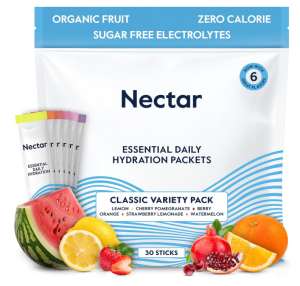
Dehydration plays a huge role in post-alcohol bloating and fatigue. When fluid levels drop, the body compensates by retaining water later, which can lead to puffiness and discomfort.
Alternating alcoholic drinks with water helps, but replenishing electrolytes can also support hydration balance. Adding a low-sugar electrolyte drink between or after alcoholic beverages can help the body rehydrate more efficiently, which may reduce next-day bloating and sluggishness. This can be especially helpful if you’re drinking in warm weather or over a longer period of time.
Smart Drinking Habits That Reduce Bloat
Eating a balanced meal with protein and fibre before drinking helps slow alcohol absorption and supports digestion. Drinking slowly, avoiding excessive carbonation, and keeping mixers simple all make a noticeable difference.
It also helps to stop drinking a little earlier than usual and finish the night with water. These small habits don’t feel restrictive, but they significantly reduce the physical cost of drinking.
The Bottom Line
If you want to enjoy alcohol without bloating or excess calories, focus on simplicity. Choose clear spirits or dry wines; avoid sugary premixes. Mix your own drinks and stay hydrated. Alcohol doesn’t have to derail how you feel — a few smarter choices can help you wake up feeling far more like yourself.
References