

Carbohydrates often get a bad reputation, but the truth is, they are essential for your body and brain. From fueling your muscles during exercise to keeping your energy steady throughout the day, carbs play a crucial role in your overall health.
Many people wonder: “What are carbohydrates really, and why do we need them?” This guide breaks it down in simple terms, explains the different types, and shows you how to choose the right carbs for energy, digestion, and long-term health.
Along the way, we’ll also touch on common misconceptions about everyday foods like pasta and potatoes — two staples that often get unfairly labeled as “bad carbs.” By the end, you’ll understand why carbs are not your enemy and how to include them wisely in your diet.

What Are Carbohydrates?
Carbohydrates, or “carbs,” are one of the three main macronutrients your body needs, along with protein and fat. They are made of sugars, starches, and fiber and serve as your body’s primary source of energy.
When you eat carbohydrates, your body breaks them down into glucose, which fuels your brain, muscles, and organs. Without enough carbs, you may feel tired, foggy, or low on energy.
Carbohydrates are found in a wide variety of foods, from vegetables, fruits, and grains to pasta, potatoes, and legumes. While some people worry that carbs cause weight gain, it’s really about choosing the right types and portions to match your energy needs.

What Do Carbohydrates Do in the Body?
Carbohydrates are more than just fuel — they play several critical roles in your body:
1. Provide Energy
Glucose from carbs is the body’s main energy source. Every cell uses it to function, especially your brain, heart, and muscles. Without enough carbs, you may feel tired, weak, or mentally foggy.
2. Support Brain Function
Your brain runs almost entirely on glucose. Eating adequate carbs helps improve focus, memory, and mental clarity throughout the day.
3. Fuel Physical Activity
Carbs are stored in your muscles as glycogen, which is essential for exercise and endurance. Skipping carbs before workouts can lead to low performance and early fatigue.
4. Aid Digestive Health
High-fiber carbohydrates, like vegetables, fruits, and whole grains, support healthy digestion, regulate bowel movements, and help maintain stable blood sugar.
By understanding these roles, it’s clear that carbohydrates are essential for both daily energy and long-term health — not something to fear.
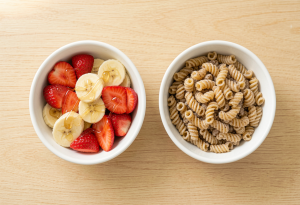
Types of Carbohydrates (Simple vs Complex)
Not all carbohydrates are created equal. Understanding the difference can help you choose the right carbs for energy, digestion, and weight management.
Simple Carbohydrates
- Found in foods like fruit, milk, honey, and sugary snacks
- Quickly digested, leading to a fast rise in blood sugar
- Good for quick energy, but excessive intake can cause spikes and crashes
Complex Carbohydrates
- Found in whole grains, vegetables, legumes, pasta, and potatoes
- Digest more slowly, providing long-lasting energy
- Rich in fiber, vitamins, and minerals, supporting digestion and overall health
Including a balance of complex carbs daily helps sustain energy and keeps cravings under control.
For a deeper dive, check out our full guide on Complex vs Simple Carbohydrates.
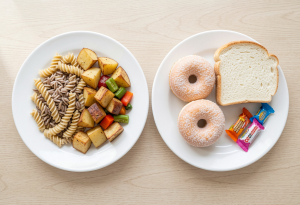
Are Carbohydrates Good or Bad?
Carbohydrates often get a bad reputation, but the truth is: carbs themselves aren’t the enemy. Problems arise when people choose highly processed carbs or eat excessive portions.
Why Carbs Get a Bad Rap
- Many processed foods are high in sugar and refined grains, causing rapid blood sugar spikes.
- Popular diets sometimes demonize carbs, which spreads confusion and fear.
Why Carbs Are Actually Good
- Provide energy for your brain and muscles
- Support healthy digestion through fiber-rich options
- Help maintain a balanced mood and metabolism
- Promote satiety, reducing overeating when eaten in proper portions
Key takeaway: Focus on quality and balance. Whole grains, vegetables, legumes, fruits, pasta, and potatoes can all be part of a healthy diet. Portion control and timing matter more than avoiding carbs entirely.

How Many Carbohydrates Do You Actually Need?
The amount of carbohydrates you need depends on age, activity level, and health goals, but most people benefit from a balanced intake spread throughout the day. Pairing carbs with protein and healthy fats helps maintain energy and satiety, prevents blood sugar spikes, and keeps you full longer.
Recommended Carbohydrate Portions & Daily Intake
| Food | Typical Serving | Carbs per Serving (approx.) | Daily Servings (Guideline for Average Adult) |
|---|---|---|---|
| Whole-grain pasta | ½ cup cooked | 20–25 g | 3–4 servings |
| Boiled potato | 1 medium / 150 g | 30 g | 2–3 servings |
| Brown rice | ½ cup cooked | 22 g | 3–4 servings |
| Whole-grain bread | 1 slice | 15 g | 2–3 servings |
| Fruit | 1 medium piece or ½ cup berries | 15 g | 2–3 servings |
| Oats | ½ cup cooked | 27 g | 1–2 servings |
Tip: Adjust servings based on activity level. Active individuals may need more carbohydrates, while those reducing calories for weight management may need slightly less.
By understanding portions and daily intake, you can enjoy energy-rich carbohydrates like pasta, potatoes, and whole grains without overdoing it, keeping your body fueled and your digestion balanced.

Healthy Sources of Carbohydrates
Not all carbs are created equal. Focusing on whole, minimally processed sources ensures you get energy, fiber, and essential nutrients without unnecessary sugar or refined grains.
Top Healthy Carbohydrate Sources
| Category | Examples | Key Benefits |
|---|---|---|
| Vegetables | Broccoli, carrots, bell peppers, spinach | High fiber, vitamins, minerals |
| Fruits | Apples, berries, oranges | Natural sugar, fiber, antioxidants |
| Whole Grains | Oats, quinoa, brown rice, whole-grain bread | Slow-digesting energy, fiber, micronutrients |
| Legumes | Lentils, chickpeas, black beans | Protein, fiber, slow-release energy |
| Potatoes & Root Veg | Sweet potato, boiled potato | Energy, potassium, fiber |
| Pasta | Whole-grain or legume-based | Sustained energy for workouts |
Tip: Balance your carb sources across vegetables, grains, and fruits throughout the day to meet energy needs and support digestion. For convenience, buying frozen vegetables can be a great option without compromising nutrition — learn more in Are Frozen Vegetables Healthy?

Practical Tips for Including Carbs in Your Diet
Carbohydrates are essential for energy, but including them strategically ensures you get the benefits without overdoing calories or spikes in blood sugar.
Practical Tips
- Pair carbs with protein and healthy fats
- Example: whole-grain pasta with grilled chicken and olive oil, or a boiled potato with salmon and veggies.
- This helps you feel full longer and stabilizes blood sugar.
- Include a variety of carb sources
- Mix vegetables, fruits, legumes, grains, and tubers for fiber, vitamins, and slow-release energy.
- Watch portion sizes
- Use the portion table from Section 5 as a guide.
- Prep ahead for convenience
- Chop vegetables or cook grains in advance to save time and reduce reliance on processed carbs.
- Consider frozen options
- Frozen vegetables or pre-cooked grains can be a nutritious and time-saving choice, especially on busy days.
- Time carbs around activity
- Eating carbs before or after workouts helps fuel performance and recovery.
Tip: By planning meals, mixing carb types, and keeping portions balanced, you can enjoy energy-rich carbohydrates without guilt, while supporting digestion, satiety, and overall health.

FAQ: Carbohydrates and Your Health
1. Are all carbohydrates bad?
No. Whole, minimally processed carbs like vegetables, fruits, whole grains, legumes, potatoes, and pasta provide energy, fiber, and essential nutrients. Problems usually come from highly processed or refined carbs.
2. What’s the difference between simple and complex carbohydrates?
Simple carbs are quickly digested sugars found in things like candy, soda, and some fruit juices, which can spike blood sugar. Complex carbs — found in whole grains, vegetables, legumes, and potatoes — digest more slowly, providing sustained energy and fiber. Learn more here.
3. How many carbohydrates should I eat per day?
Most adults benefit from 45–65% of daily calories from carbs. Adjust based on activity level, age, and health goals. Portion sizes, as shown in Section 5, help control intake.
4. Can I eat carbs if I want to lose weight?
Yes. Focus on quality carbs, balanced meals with protein and healthy fats, and portion control. Timing carbs around activity can also support weight management.
5. Are potatoes and pasta healthy?
Absolutely. When eaten in appropriate portions and paired with protein and vegetables, they provide sustained energy and essential nutrients.
6. Are frozen vegetables as good as fresh?
Yes. Frozen vegetables are nutritious, convenient, and often just as healthy as fresh — perfect for busy days. Learn more here.
Carbohydrates are an essential macronutrient that serve as the body’s primary source of fuel. According to the Cleveland Clinic, carbs break down into glucose, which provides energy for your cells and supports everything from brain function to physical activity, and choosing whole‑food carbohydrate sources helps keep blood sugar stable and supports overall health.
Dr. John McDougall, a physician known for advocating whole‑food, plant‑based nutrition, explains that unprocessed carbohydrate foods — such as brown rice, potatoes, squash, and apples — supply complex carbohydrates that deliver sustained energy and help regulate hunger.
Similarly, the Mayo Clinic states that carbohydrates are part of a healthy diet and that some carbohydrate choices (like fiber‑rich whole grains, fruits, and vegetables) are more beneficial for long‑term health than highly processed carbohydrates.
