

If you’ve ever looked in the mirror and thought your face looks puffier, rounder, or more tired than usual — especially during stressful periods — you’re not imagining it. Many people are now hearing the term “high cortisol face,” and while it might sound like a social media trend, it’s actually rooted in real biology. Cortisol is your body’s main stress hormone, and when it stays elevated for too long, it can affect how you look, how you feel, and how your body holds onto weight and water. The tricky part is that high cortisol often feels normal because stress has become such a regular part of everyday life.
Understanding what cortisol does, how it affects your face and body, and how to gently bring it back into balance can make a noticeable difference — without extreme diets, supplements, or cutting everything you enjoy.
What Cortisol Is and Why Your Body Needs It
Cortisol isn’t the enemy. It’s a hormone produced by your adrenal glands that helps you respond to stress, regulate blood sugar, manage inflammation, and maintain blood pressure. In short bursts, cortisol is helpful. It gives you energy in the morning, helps you respond to challenges, and supports survival.
The problem happens when cortisol stays high for long periods of time. Chronic stress — emotional, physical, or even dietary — keeps your body in a constant “fight or flight” mode. When that happens, cortisol stops being helpful and starts interfering with other hormones, digestion, sleep, and fluid balance.
Over time, this imbalance can show up physically, including in your face.
What People Mean by “High Cortisol Face”
A “high cortisol face” isn’t a medical diagnosis, but it’s a way people describe the visible signs of prolonged stress and hormone imbalance. Common features include facial puffiness, especially around the cheeks, jawline, and under the eyes. Some people notice their face looks rounder in the morning or fluctuates throughout the day. Skin may appear dull, inflamed, or more prone to breakouts. Dark circles, tension in the jaw, and a tired or strained expression are also common.
These changes aren’t about fat gain in the face alone. Much of it comes down to water retention, inflammation, disrupted sleep, and circulation changes caused by elevated cortisol.
Support a Balanced Stress Response
If persistent stress and elevated cortisol are contributing to symptoms like facial puffiness, fatigue, breakouts, or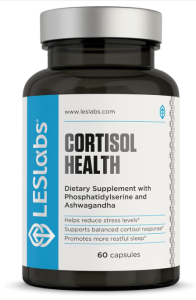 inflammation, lifestyle changes like sleep, nutrition, and mindful stress management are the foundation of recovery. But many people also find value in a targeted cortisol support supplement, especially when paired with healthy habits and stress-reducing routines.
👉 You can get a trusted cortisol support supplement on Amazon:
Labs Cortisol Supplement – Balanced Stress Response Support
This formula is designed to help your body maintain a balanced response to stress and support energy levels, recovery, and overall well-being.
Why Cortisol Causes Facial Puffiness and Swelling
High cortisol affects how your body holds onto water and sodium. When cortisol is elevated, your kidneys retain more sodium, and water follows sodium. This can lead to fluid buildup, particularly in areas where the skin is thinner, like the face and under the eyes.
Cortisol also increases inflammation, which can make tissues swell and appear puffy. Poor sleep — another side effect of high cortisol — worsens fluid retention and slows overnight drainage of lymphatic fluid from the face. That’s why many people with high stress wake up feeling swollen or “heavy” in the face even if they didn’t overeat the night before.
If this sounds familiar, it connects closely with morning puffiness and water retention patterns discussed in your body’s stress response and hydration balance, similar to what’s explained in posts about morning bloating and sodium sensitivity.
Everyday Habits That Keep Cortisol High Without You Realizing
One of the reasons high cortisol is so common is that many “normal” habits quietly push it higher. Skipping meals or under-eating can spike cortisol because your body perceives it as a threat. Overdoing caffeine, especially on an empty stomach, stimulates cortisol release. Poor sleep or inconsistent sleep schedules prevent cortisol from following its natural daily rhythm.
Constant screen exposure, especially late at night, keeps your nervous system stimulated. Intense exercise without enough recovery can also raise cortisol, particularly if you’re already stressed or under-fueled. Even emotional stress — rushing, multitasking, people-pleasing, or never fully resting — plays a role.
None of these things feel extreme on their own, but together they keep cortisol elevated day after day.
The Connection Between Cortisol, Weight Gain, and Belly Fat
High cortisol doesn’t just affect your face. It also influences where your body stores fat. Cortisol encourages fat storage around the abdomen because belly fat has more cortisol receptors than other areas. This is why stress-related weight gain often shows up around the midsection even if calorie intake hasn’t changed much.
Cortisol also interferes with insulin sensitivity, making blood sugar harder to regulate. This can increase cravings for sugar and refined carbs, leading to energy crashes and further hormone disruption. Over time, this cycle makes weight loss feel frustrating and slow, even when you’re “doing everything right.”
How to Tell If Cortisol Might Be Driving Your Symptoms
You don’t need lab tests to notice patterns. Signs that cortisol may be playing a role include facial puffiness that fluctuates with stress, waking up tired despite enough sleep, feeling wired but exhausted, stubborn belly weight, frequent cravings, and difficulty relaxing. Digestive issues, bloating, and water retention often appear alongside these symptoms.
If your face looks fuller during stressful weeks and improves when you’re more rested or relaxed, that’s a strong clue cortisol is involved.
How to Lower Cortisol Naturally Without Extremes
Lowering cortisol doesn’t require perfection. Small, consistent changes send safety signals to your nervous system, helping your body relax and rebalance.
Eating regular meals with protein, healthy fats, and complex carbs helps stabilize blood sugar and reduce cortisol spikes. Gentle movement like walking, stretching, or yoga lowers cortisol more effectively than pushing through exhausting workouts. Prioritizing sleep — even improving bedtime routines — makes a noticeable difference in facial puffiness and energy.
Reducing caffeine intake or delaying it until after breakfast can help calm the stress response. Breathing deeply, spending time outdoors, and limiting late-night screen use all signal your body that it’s safe to downshift.
Hydration also matters. Dehydration raises cortisol, while consistent water intake helps flush excess sodium and reduce facial swelling. This links closely with how hydration supports hormone balance and reduces water retention.
Why Fixing Cortisol Takes Time (and That’s Okay)
Cortisol doesn’t normalize overnight. Because stress builds gradually, it takes time for your nervous system to trust that things are changing. Many people notice reduced puffiness and better energy within a few weeks of consistent habits. Weight changes may take longer, but signs like improved sleep, calmer digestion, and less facial swelling often appear first.
The goal isn’t to eliminate stress — that’s unrealistic. It’s to build resilience so your body can recover instead of staying stuck in survival mode.
Supporting Your Body Instead of Fighting It
A “high cortisol face” isn’t a flaw. It’s feedback. Your body is asking for rest, nourishment, consistency, and safety. When you respond with gentler habits instead of restriction or punishment, your hormones begin to shift naturally.
By focusing on stress reduction, balanced meals, hydration, and sleep, you’re not just improving how your face looks — you’re supporting your metabolism, digestion, mood, and long-term health. Small changes truly add up, especially when stress has been running the show for too long.
References
Mayo Clinic – Stress and Cortisol Effects on the Body – https://www.mayoclinic.org
Cleveland Clinic – Cortisol and Chronic Stress – https://my.clevelandclinic.org
