
What is Cholesterol? Cholesterol is a waxy, fat-like substance found in your blood that plays a vital role in many essential body functions. Although cholesterol is often portrayed as something harmful, the reality is more nuanced. Your body actually needs cholesterol to survive — problems only arise when levels become imbalanced.
Most of the cholesterol in your body is produced naturally by the liver. The rest comes from foods such as meat, eggs, dairy products, and seafood. When cholesterol levels remain balanced, it supports hormone production, digestion, and cell health. When levels rise too high — particularly certain types — cholesterol can begin to damage blood vessels and increase the risk of serious health problems.
Understanding what cholesterol is and how it works can help you make informed choices to protect your heart and long-term health.
Why Your Body Needs Cholesterol
Cholesterol plays several critical roles in keeping your body functioning properly. It is involved in:
- Building and maintaining the structure of every cell membrane
- Producing essential hormones such as estrogen, testosterone, and cortisol
- Helping your body create vitamin D from sunlight
- Supporting digestion by forming bile acids that break down fats
Without cholesterol, many basic biological processes would fail. The goal isn’t to eliminate cholesterol, but to keep it within a healthy range.
The Different Types of Cholesterol Explained
Cholesterol travels through your bloodstream attached to proteins called lipoproteins. The two main types affect your health in very different ways.
LDL Cholesterol (Low-Density Lipoprotein)
LDL cholesterol is often referred to as “bad” cholesterol. It carries cholesterol from the liver to tissues throughout the body. When LDL levels are too high, excess cholesterol can accumulate along artery walls, forming plaque. Over time, this buildup narrows the arteries and restricts blood flow, increasing the risk of heart disease, heart attack, and stroke.
HDL Cholesterol (High-Density Lipoprotein)
HDL cholesterol is known as “good” cholesterol because it helps remove excess cholesterol from the bloodstream. HDL transports cholesterol back to the liver, where it can be broken down and removed from the body. Higher HDL levels are generally linked to better heart health and a reduced risk of cardiovascular disease.
What Causes High Cholesterol?
High cholesterol usually develops gradually and is influenced by a combination of lifestyle, genetic, and metabolic factors. Common contributors include:
- Diets high in saturated fats and processed foods
- Lack of regular physical activity
- Carrying excess body weight
- Smoking or exposure to secondhand smoke
- Excessive alcohol consumption
- Family history of high cholesterol
- Aging and hormonal changes
Because cholesterol levels can rise silently, many people are unaware there is a problem until a routine blood test detects it.
Are There Symptoms of High Cholesterol?
High cholesterol typically causes no noticeable symptoms. This is why it’s often described as a silent condition. In advanced cases, long-term cholesterol buildup can lead to serious complications such as:
- Chest pain caused by reduced blood flow to the heart
- Shortness of breath during activity
- Fatigue due to poor circulation
- Increased risk of heart attack or stroke
Regular cholesterol screening is one of the most effective ways to catch problems early.
How to Manage Cholesterol Naturally
Many people can improve their cholesterol levels through lifestyle changes alone. Effective strategies include:
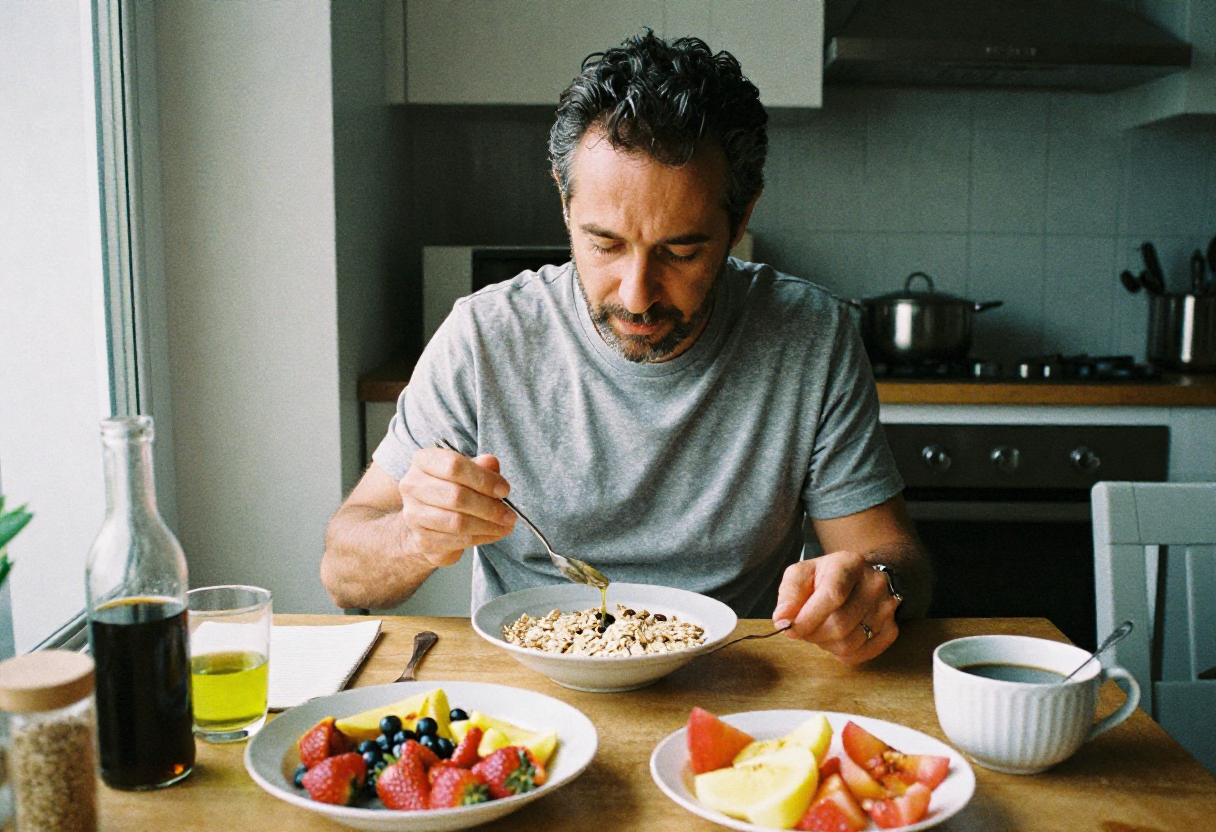
- Eating more fibre-rich foods like vegetables, legumes, oats, and whole grains
- Reducing intake of processed foods, sugary snacks, and fried foods
- Choosing healthy fats such as olive oil, nuts, seeds, and fatty fish
- Staying physically active with daily movement and regular exercise
- Prioritising sleep and managing chronic stress
In some cases, medication may be necessary, particularly if lifestyle changes aren’t enough or if genetic risk is high.
The Bottom Line
Cholesterol isn’t inherently bad — it’s an essential substance your body depends on. Problems occur when unhealthy levels persist over time, especially high LDL and low HDL cholesterol. By understanding what cholesterol is and how it affects your body, you can take proactive steps to support heart health and reduce long-term risk.
Small, consistent changes often lead to the biggest improvements.
References
