
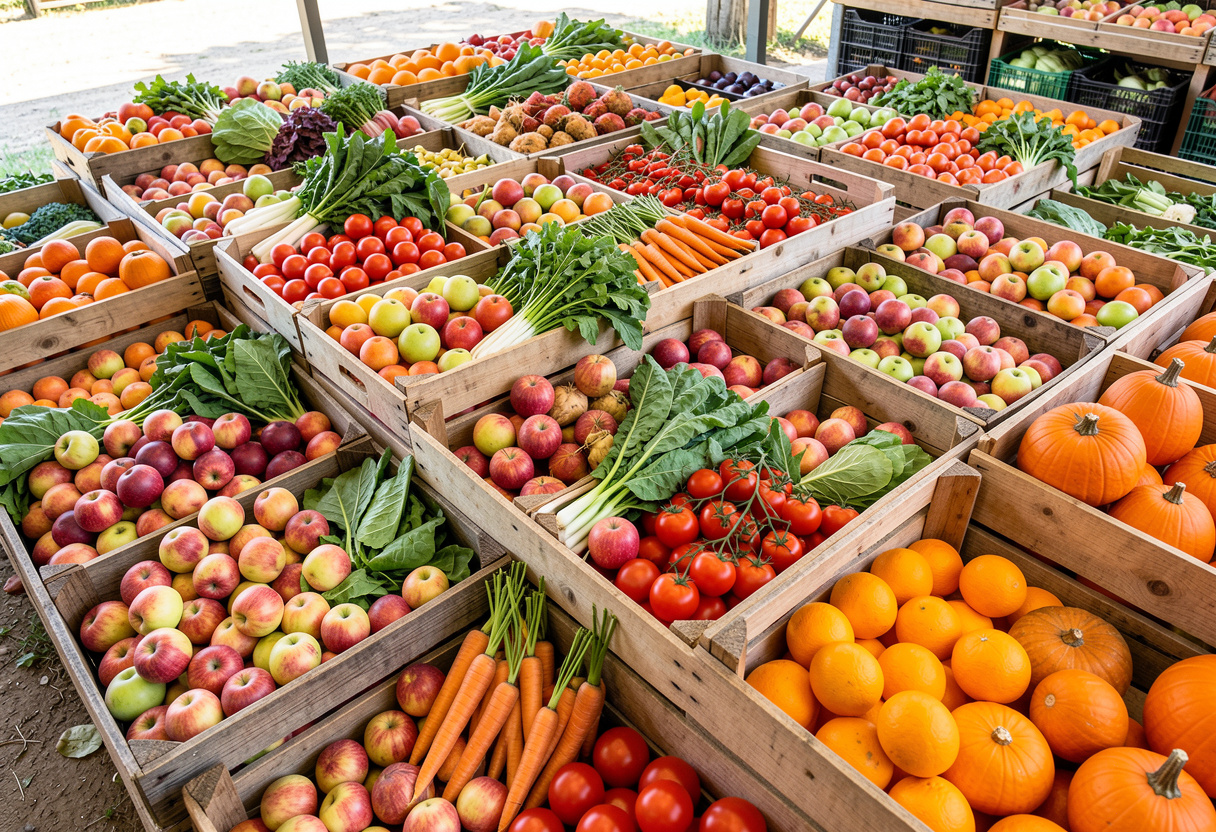
What is clean eating and why is it so popular today? At its core, clean eating isn’t about strict rules, fad diets, or cutting out entire food groups. It’s about making conscious, nutrient-rich choices, focusing on whole, minimally processed foods, and reducing highly processed items that offer little nutritional value.
Many people associate clean eating with salads or extreme restriction, but it’s far more flexible than that. By understanding the principles behind clean eating, you can improve energy, support digestion, and nourish your body, all while enjoying your favorite foods in a balanced way. This approach makes healthy eating practical, sustainable, and approachable for real life — without guilt or stress.
What Clean Eating Really Means
Clean eating is often misunderstood as a restrictive or fad diet, but in reality, it’s a lifestyle approach focused on whole, minimally processed foods. The goal is to fuel your body with nutrient-dense ingredients while reducing items that offer little nutritional value, such as ultra-processed snacks, sugary drinks, and packaged foods with long ingredient lists.
Key Principles of Clean Eating:
- Whole Foods First: Vegetables, fruits, whole grains, legumes, nuts, seeds, and lean proteins
- Minimize Processed Items: Avoid heavily processed snacks, fast foods, and refined sugar where possible
- Balanced, Not Perfect: Clean eating isn’t about eliminating all indulgences — moderation matters
- Mindful Choices: Focus on how foods make you feel and how they nourish your body
This approach is flexible, approachable, and sustainable. It’s not about perfection — it’s about making consistent, informed choices that support long-term health.

Core Principles of Clean Eating
Clean eating works best when you focus on a few simple, consistent principles rather than strict rules. These core ideas help you make practical choices every day:
Prioritize Whole, Unprocessed Foods
- Fill your plate with vegetables, fruits, whole grains, lean proteins, nuts, and seeds.
- These foods are naturally nutrient-dense, providing vitamins, minerals, and fiber.
Limit Highly Processed Foods
- Reduce packaged snacks, sugary drinks, fast foods, and refined grains.
- Processed foods often contain added sugars, unhealthy fats, and sodium that can sabotage health goals.
Balance Over Perfection
- Clean eating is flexible — occasional treats are okay.
- The goal is consistency and making better choices most of the time, not eliminating foods entirely.
Mindful Eating and Hydration
- Pay attention to hunger and fullness cues.
- Drink enough water and enjoy meals without distractions to support digestion and satiety.
Practical Cooking and Shopping
- Batch-cook vegetables or whole grains for quick meals.
- Choose seasonal produce or frozen vegetables to stay convenient and affordable.
Following these principles consistently can help you feel more energized, support digestion, and improve overall well-being — all without making eating feel restrictive.

Benefits of Clean Eating
Eating clean isn’t just about choosing the “right” foods — it’s about supporting your body in ways that show up every day. When you follow the core principles of clean eating, you can enjoy a wide range of physical and mental benefits:
1. Improved Energy Levels
- Whole, nutrient-dense foods provide steady energy throughout the day.
- Minimizing refined sugars and processed snacks reduces the energy spikes and crashes common with highly processed foods.
- High-fiber fruits, vegetables, and whole grains support gut health and regularity.
- Reducing processed foods and additives makes digestion smoother and more predictable.
3. Weight Management Support
- Clean eating naturally emphasizes nutrient-dense, lower-calorie foods that keep you full.
- Balanced meals help prevent overeating and support healthy weight maintenance.
4. Mental Clarity and Focus
- Whole foods supply essential vitamins and minerals needed for brain function.
- Minimizing sugar and artificial additives can reduce brain fog and improve concentration.
5. Long-Term Health Benefits
- A consistent pattern of clean eating can reduce the risk of chronic conditions like heart disease, type 2 diabetes, and inflammation.
- It promotes sustainable, lifelong healthy habits rather than quick fixes.
By focusing on whole, minimally processed foods, clean eating isn’t a short-term diet — it’s a way to feel healthier, more energized, and more in tune with your body every day.

Practical Tips for Eating Clean
Eating clean doesn’t have to be complicated or restrictive. Small, consistent changes can make a big difference in how you feel, without taking away the joy of eating. Here are some practical strategies:
1. Plan Your Meals
- Batch-cook vegetables, grains, and proteins for quick, balanced meals.
- Keep healthy staples on hand so processed convenience foods do not tempt you.
2. Make Smart Swaps
- Replace sugary drinks with water, herbal tea, or sparkling water.
- Swap packaged snacks for fruit, nuts, or yogurt.
- Choose whole grains instead of refined grains (e.g., brown rice, whole wheat bread).
3. Focus on Portion and Balance
- Fill half your plate with vegetables and fruits, a quarter with lean protein, and a quarter with whole grains.
- Include healthy fats, like olive oil, avocado, or nuts, to keep you satisfied.
4. Shop Wisely
- Buy seasonal produce for freshness and affordability.
- Frozen vegetables are a great option—they’re convenient, nutrient-rich, and often cheaper than fresh.
- Read labels to avoid added sugars, unhealthy fats, and artificial additives.
5. Be Flexible
- Clean eating is about progress, not perfection.
- Enjoy treats and social meals mindfully without guilt.
By implementing these practical tips, clean eating becomes sustainable, enjoyable, and a natural part of your lifestyle — not a strict set of rules.
Common Myths and Misconceptions About Clean Eating
Clean eating is often misunderstood, which can make it seem intimidating or restrictive. Let’s clear up some of the most common myths:
Myth 1: Clean Eating Is Expensive
- Reality: Focusing on seasonal produce, frozen vegetables, and simple staples like beans, oats, and rice can keep clean eating affordable.
- Smart planning and batch-cooking reduce waste and save money.
Myth 2: Clean Eating Means No Treats
- Reality: Clean eating is about balance, not perfection. Enjoying occasional treats mindfully is part of a sustainable approach.
- Restriction often leads to cravings and burnout — moderation works better long-term.
Myth 3: Clean Eating Is Only for Weight Loss
- Reality: While clean eating can support weight management, it also benefits energy, digestion, mental clarity, and overall health.
- The focus is on nourishment and lifestyle, not just the number on the scale.
Myth 4: You Have to Eliminate Entire Food Groups
- Reality: Clean eating isn’t about cutting out carbs, fats, or proteins entirely.
- The goal is to choose nutrient-dense options and reduce processed items, not eliminate essential food groups.
By understanding these myths, clean eating becomes less intimidating and more realistic. It’s a flexible approach that fits a variety of lifestyles and goals.
The Takeaway
So, what is clean eating really about? It’s not a strict diet, a set of rigid rules, or a push toward perfection. Clean eating focuses on choosing whole, minimally processed foods, paying attention to how food makes you feel, and building habits that support long-term health.
By prioritising nutrient-rich foods, reducing heavily processed items, and allowing flexibility, clean eating becomes a sustainable way of eating rather than a short-term fix. Small, consistent choices — like cooking more at home, choosing whole foods more often, and staying hydrated — can add up to better energy, digestion, and overall well-being over time.
For evidence-based guidance on healthy eating patterns built around whole foods, the U.S. National Library of Medicine provides clear, practical nutrition information that aligns closely with clean eating principles.
