
What is glucose? Glucose is the simple sugar your body uses as its main source of energy. Every cell relies on it to function, especially your brain and muscles. After you eat, glucose enters your bloodstream — this is what we call blood sugar. To make it easier to understand:
- Glucose is the fuel your body uses for energy.
- Blood sugar is the measurement of glucose circulating in your blood at any given time.
- Your body carefully regulates blood sugar with hormones like insulin and glucagon.
- Balanced blood sugar ensures cells get energy without letting glucose levels get too high or too low.
Balancing glucose levels is essential — too much or too little can affect your energy, focus, and overall health. Understanding how glucose works, where it comes from, and how your body uses it can help you make smarter nutrition choices and maintain steady energy throughout the day.
In this article, we’ll explain what glucose is, how it affects your body, the role of blood sugar, and practical tips for keeping your glucose levels healthy.
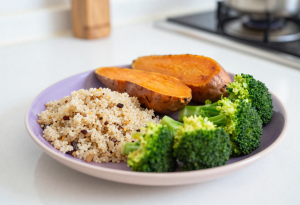
What Is Glucose?
Glucose is a simple sugar that serves as the body’s main source of energy. Every cell in your body relies on glucose to function, especially the brain, which uses glucose almost exclusively for fuel. Without enough glucose, you may feel tired, weak, or unable to focus.
Glucose is not inherently “bad” — it’s essential for energy production, and your body carefully regulates how much is available in the bloodstream at any time. Understanding how glucose works can help you make better nutrition choices and maintain steady energy throughout the day.
Where Glucose Comes From
Glucose primarily comes from the foods you eat, especially carbohydrates. When you consume foods like bread, rice, pasta, fruits, and vegetables, your body breaks down the carbohydrates into glucose, which then enters the bloodstream.
- Simple carbohydrates: Found in sugar, sweets, and soft drinks; these are absorbed quickly and can spike glucose levels.
- Complex carbohydrates: Found in whole grains, legumes, and starchy vegetables; these are digested slowly and provide a more steady release of glucose.
Pairing carbohydrates with fiber, protein, or healthy fats can slow glucose absorption and help maintain balanced energy levels.
How the Body Uses Glucose
Once glucose enters your bloodstream, your body puts it to work immediately. Every cell can use glucose for energy, but some organs rely on it more than others:
- Brain: Uses glucose almost exclusively to fuel thinking, memory, and focus.
- Muscles: Glucose is converted into energy for movement, whether walking, running, or exercising.
- Other organs: Heart, kidneys, and liver also use glucose to function properly.
Excess glucose is stored as glycogen in the liver and muscles. When your body needs energy later, glycogen is converted back into glucose. This balance ensures you have a steady energy supply throughout the day.
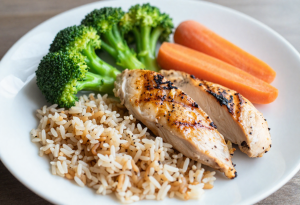
Blood Sugar and Glucose Levels
Your blood sugar is the measure of glucose circulating in your blood. Maintaining healthy blood sugar levels is essential for overall health, energy, and focus.
Normal blood sugar ranges (fasting):
- 70–99 mg/dL: Healthy range
- 100–125 mg/dL: Prediabetes (elevated risk)
- 126 mg/dL or higher: Possible diabetes (consult a doctor)
Why balance matters:
- High glucose levels: Can cause fatigue, frequent urination, and long-term health risks if sustained.
- Low glucose levels: Can cause dizziness, brain fog, and low energy.
Eating balanced meals with complex carbs, protein, and fiber helps maintain steady blood sugar levels and prevents spikes and crashes.

Glucose and Nutrition
Eating the right foods can help maintain steady glucose levels, prevent spikes, and support consistent energy throughout the day. The type of carbohydrate, fiber content, and combination with protein or healthy fats all affect how quickly glucose enters the bloodstream.
Foods That Raise Glucose Slowly
These foods release glucose gradually, helping prevent spikes in blood sugar.
| Food | Serving Size | Estimated Glucose Impact (Low/Moderate) | Calories |
|---|---|---|---|
| Oats (rolled or steel-cut) | 1 cup cooked | Low | 150 |
| Sweet potato | 1 medium | Moderate | 112 |
| Lentils (cooked) | 1 cup | Low | 230 |
| Brown rice | 1 cup cooked | Moderate | 215 |
| Apple | 1 medium | Low | 95 |
Pairing these foods with protein (like eggs or chicken) or healthy fats (like avocado or nuts) further slows glucose absorption.
Foods That Raise Glucose Quickly
These foods are absorbed rapidly and can spike blood sugar levels.
| Food | Serving Size | Estimated Glucose Impact (High) | Calories |
|---|---|---|---|
| White bread | 1 slice | High | 80 |
| Soda or sugary drinks | 1 cup | High | 120 |
| Pastries (croissant, danish) | 1 medium | High | 250 |
| White rice | 1 cup cooked | High | 205 |
| Candy (chocolate, gummies) | 1 serving | High | 200 |
Limit fast-digesting carbs and sugary foods, especially without fiber, protein, or fat, to maintain stable glucose levels.
Practical Tips to Maintain Healthy Glucose Levels
Maintaining steady glucose levels doesn’t just rely on choosing the right foods — lifestyle habits play a big role in keeping your energy consistent and supporting overall health.
Eat Balanced Meals
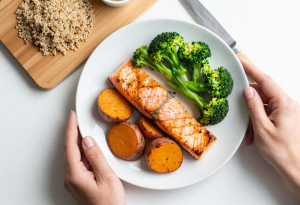
Include protein, fiber, and healthy fats with each meal to slow glucose absorption. For example:
- Grilled chicken or fish
- Brown rice or quinoa
- Steamed vegetables and fresh fruit
- Nuts or avocado
Tip: Small, balanced meals throughout the day help prevent spikes and dips in blood sugar.
Stay Active
Regular physical activity helps your muscles use glucose more efficiently, which can prevent high blood sugar levels. Even short bouts of movement, like walking after meals, can make a difference.
Monitor Portions and Timing
Eating moderate portions and spacing meals evenly throughout the day helps keep blood sugar stable. Avoid skipping meals, which can lead to drops in glucose levels.
Hydrate Well
Water supports metabolism and helps the body process glucose efficiently. Avoid sugary drinks, which can spike blood sugar.
Research shows that balanced meals, portion control, and regular physical activity are key strategies for maintaining healthy blood sugar levels and reducing the risk of glucose-related health issues. According to the Mayo Clinic.
FAQs
Q1: What is a healthy blood sugar range?
- Fasting: 70–99 mg/dL
- After meals: Usually under 140 mg/dL
Maintaining these ranges helps prevent fatigue, dizziness, and long-term health issues.
Q2: Can exercise help regulate glucose?
Yes — physical activity helps your muscles use glucose efficiently, lowering spikes and supporting steady energy.
Q3: Are all carbohydrates bad for blood sugar?
No — whole grains, fruits, and vegetables provide glucose more slowly and are beneficial for stable blood sugar levels.
Q4: How does protein affect glucose?
Protein slows digestion and glucose absorption, helping maintain balanced energy and preventing spikes.
