
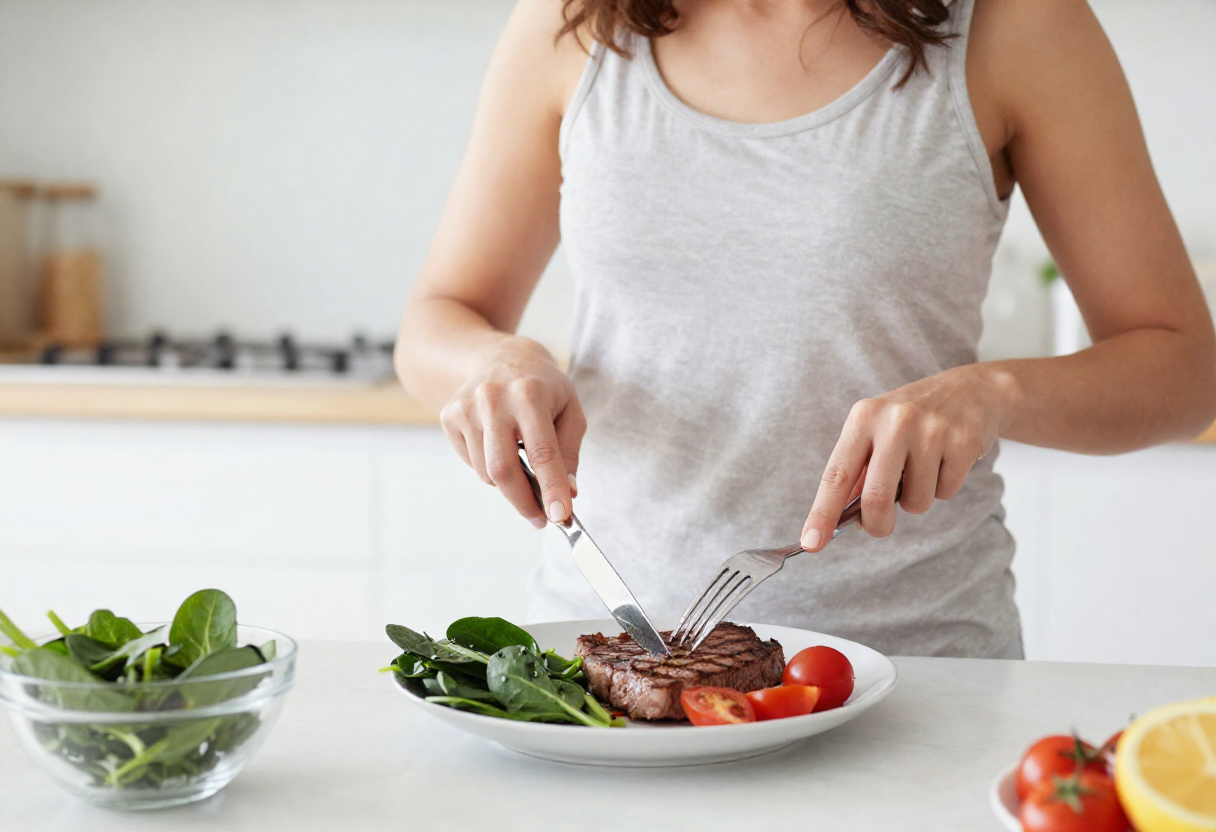
Iron is an essential mineral that plays a vital role in keeping your body healthy and energized. But what is iron, and why is it so important for your overall wellness? Iron is crucial for producing hemoglobin, a protein in red blood cells that carries oxygen from your lungs to every part of your body. Without enough iron, your energy levels, immunity, and even cognitive function can be affected. Understanding what iron does and how much you need is key to maintaining optimal health.
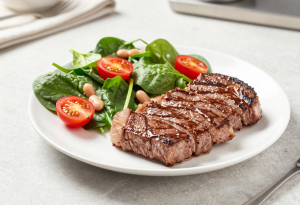
What is Iron?
Iron is a trace mineral that your body needs to function properly. Although it’s required in small amounts, it’s essential for many critical processes:
- Hemoglobin Production: Iron is a key component of hemoglobin, which transports oxygen from your lungs to tissues and organs.
- Myoglobin in Muscles: Helps store and release oxygen in muscles for energy and physical performance.
- Enzyme Function: Iron plays a role in several enzymes involved in energy production and metabolism.
- Immune Support: Iron is necessary for a healthy immune system and helps your body fight infections.
There are two main forms of dietary iron:
- Heme Iron: Found in animal-based foods like red meat, poultry, and fish. It is absorbed more efficiently by the body.
- Non-Heme Iron: Found in plant-based foods like beans, lentils, spinach, and fortified cereals. Its absorption is improved when eaten with vitamin C-rich foods.
Tip: A balanced diet that includes both heme and non-heme iron can help you meet your daily needs and prevent deficiency.

Why Your Body Needs Iron
Iron is essential for several critical functions that keep your body running smoothly. Without enough iron, many systems in your body can be affected, including energy levels, immunity, and cognitive performance. Here’s why iron matters:
- Supports Oxygen Transport: Iron is a key component of hemoglobin, allowing red blood cells to carry oxygen to every part of your body. This is crucial for overall energy and stamina.
- Boosts Energy Production: Iron helps enzymes in your body convert nutrients into energy, supporting daily activities and exercise performance.
- Strengthens the Immune System: Adequate iron helps your body fight infections and maintain a strong immune response.
- Promotes Healthy Brain Function: Iron plays a role in neurotransmitter production, supporting focus, memory, and overall cognitive function.
- Supports Pregnancy & Growth: Iron is especially important for pregnant women, infants, and children to support healthy development and prevent anemia.
Tip: Consistently consuming iron-rich foods or supplements (if recommended by your doctor) helps maintain energy, immunity, and overall well-being.

Signs of Iron Deficiency
Iron deficiency is one of the most common nutrient deficiencies worldwide. Without enough iron, your body cannot produce enough healthy red blood cells, leading to fatigue and other symptoms. Recognizing the signs early is important for maintaining optimal health.
Common signs of iron deficiency include:
- Fatigue & Weakness: Feeling unusually tired or lacking energy, even after rest.
- Pale Skin & Pale Inner Eyelids: Reduced hemoglobin can make skin and mucous membranes appear lighter than usual.
- Shortness of Breath & Dizziness: Low oxygen transport can make daily activities feel more strenuous.
- Cold Hands & Feet: Poor circulation caused by insufficient iron can lead to feeling cold.
- Brittle Nails & Hair Loss: Iron deficiency can affect the health and strength of nails and hair.
- Headaches & Difficulty Concentrating: Reduced oxygen supply to the brain may impair focus and cognitive function.
Tip: If you notice several of these symptoms, consider talking to your healthcare provider. Simple blood tests can determine if iron deficiency is the cause.
How Much Iron Do You Need?
Iron requirements vary depending on age, sex, and life stage. Meeting your daily iron needs is crucial for maintaining energy, immunity, and overall health. Here’s a quick guide:
| Group | Recommended Daily Intake |
|---|---|
| Children (1–3 years) | 7 mg |
| Children (4–8 years) | 10 mg |
| Boys (9–13 years) | 8 mg |
| Girls (9–13 years) | 8 mg |
| Men (14–18 years) | 11 mg |
| Women (14–18 years) | 15 mg |
| Men (19–50 years) | 8 mg |
| Women (19–50 years) | 18 mg |
| Pregnant Women | 27 mg |
| Breastfeeding Women | 9–10 mg |
| Adults 51+ | 8 mg |
Iron needs are higher for pregnant women, breastfeeding mothers, and individuals with heavy menstrual cycles. Pairing non-heme iron sources with vitamin C-rich foods can improve absorption.
Best Sources of Iron
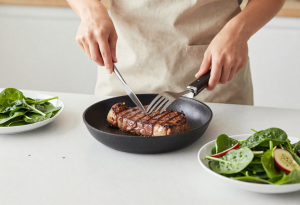
Eating a variety of iron-rich foods is the easiest way to meet your daily needs. Iron comes in two forms: heme iron (from animal sources) and non-heme iron (from plant sources). Both are important for a balanced diet.
Top Iron-Rich Foods
| Food | Type | Iron per Serving |
|---|---|---|
| Lean Beef | Heme | 2.7 mg per 100g |
| Chicken & Turkey | Heme | 1.3 mg per 100g |
| Salmon | Heme | 0.8 mg per 100g |
| Lentils | Non-Heme | 3.3 mg per 100g |
| Spinach (cooked) | Non-Heme | 3.6 mg per 100g |
| Chickpeas | Non-Heme | 2.9 mg per 100g |
| Fortified Cereals | Non-Heme | 4–18 mg per serving |
| Tofu | Non-Heme | 3 mg per 100g |
Pair non-heme iron foods with vitamin C-rich foods like oranges, bell peppers, or strawberries to improve absorption.
Benefits of Iron
Iron is more than just a mineral—it’s essential for keeping your body functioning at its best. Getting enough iron supports many vital systems and contributes to overall health. Key benefits include:
- Boosts Energy Levels: Iron helps transport oxygen throughout your body, reducing fatigue and improving stamina for daily activities.
- Supports a Healthy Immune System: Adequate iron strengthens your body’s defenses against infections and illnesses.
- Promotes Cognitive Function: Iron is essential for brain health, supporting memory, focus, and overall mental clarity.
- Supports Healthy Pregnancy: Iron helps form red blood cells for both mother and baby, preventing anemia and supporting fetal development.
- Maintains Healthy Skin, Hair & Nails: Iron contributes to healthy cell growth, improving skin tone, hair strength, and nail health.
Tip: Including a variety of iron-rich foods in your meals ensures you reap these benefits naturally.
Safety & Side Effects
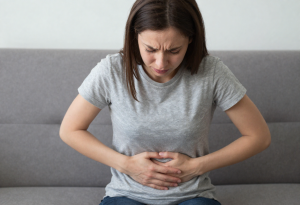
While iron is essential for good health, too much iron can be harmful. It’s important to get the right amount through a balanced diet or supplements under medical guidance.
Potential Side Effects of Excess Iron
- Digestive Issues: High doses of iron supplements can cause nausea, constipation, or stomach upset.
- Iron Overload: Rarely, consuming too much iron can lead to a condition called hemochromatosis, which may damage organs like the liver and heart.
- Interactions with Medications: Iron can interfere with certain medications, including some antibiotics and thyroid treatments.
Tips for Safe Iron Intake
- Stick to Recommended Daily Allowances: Follow the daily intake guidelines based on age, sex, and life stage.
- Pair Non-Heme Iron with Vitamin C: Helps improve absorption naturally from plant sources.
- Consult Your Doctor Before Supplementing: Especially important for children, pregnant women, or those with medical conditions.
Tip: A well-balanced diet is usually sufficient for most people, making iron supplements unnecessary unless advised by a healthcare professional.

Frequently Asked Questions
1. What is the best way to get iron from food?
Include both heme iron from animal sources (like beef, chicken, and fish) and non-heme iron from plant foods (like spinach, lentils, and beans). Pairing non-heme iron with vitamin C-rich foods enhances absorption.
2. How do I know if I’m iron-deficient?
Common signs include fatigue, pale skin, shortness of breath, brittle nails, and difficulty concentrating. Blood tests can confirm iron levels.
3. Can iron help with energy?
Yes! Iron is crucial for oxygen transport in the blood. Adequate iron improves energy, stamina, and overall physical performance.
4. Who needs more iron?
Pregnant women, breastfeeding mothers, children, teenagers, and individuals with heavy menstrual cycles have higher iron requirements.
5. Are iron supplements safe?
Iron supplements are safe when taken as directed by a healthcare provider. Excess iron can cause digestive issues or, rarely, organ damage.
Iron is essential for energy, immunity, brain function, and overall well-being. By understanding what iron is, recognizing the signs of deficiency, and including iron-rich foods in your diet, you can support your health every day. Whether it’s through lean meats, leafy greens, or legumes, getting enough iron is a key step toward feeling energized and maintaining a healthy lifestyle. According to the National Institutes of Health, iron plays a critical role in oxygen transport and energy production, while the Harvard T.H. Chan School of Public Health highlights its importance for immune function and cognitive health
