

What is menopause? Menopause is a natural phase in every woman’s life when her menstrual cycles come to an end, typically occurring between the ages of 45 and 55. During this transition, the body experiences hormonal changes that can affect physical health, emotional well-being, and daily life. Understanding menopause, its stages, and common symptoms can help women manage this important life change with confidence and clarity.
In this comprehensive guide, we will explore what happens during perimenopause, menopause, and post-menopause, the typical signs and symptoms to expect, and practical lifestyle tips to support your health throughout this transition.

What Is Menopause?
Menopause is the natural biological process marking the end of a woman’s reproductive years. It is officially diagnosed after a woman has gone 12 consecutive months without a menstrual period. This transition is part of a normal life cycle and is influenced primarily by a gradual decline in the hormones estrogen and progesterone, which regulate the menstrual cycle and affect multiple systems in the body.
Menopause is not a disease; rather, it is a physiological shift that can bring noticeable changes in the body and mind. While every woman experiences menopause differently, common features include:
- Cessation of menstruation: Periods become irregular during perimenopause before stopping completely.
- Hormonal changes: Declining estrogen and progesterone levels can affect mood, sleep, and metabolism.
- Symptom variation: Women may experience hot flashes, night sweats, sleep disturbances, weight changes, and emotional fluctuations.
- Timing: Most women enter menopause between the ages of 45 and 55, but factors like genetics, lifestyle, and medical interventions can influence timing.
Understanding what menopause is helps women prepare physically and emotionally, and allows them to make informed lifestyle and health decisions during this transition.

Menopause Stages
Perimenopause
Perimenopause is the transitional phase leading up to menopause, often beginning in a woman’s 40s, though it can start earlier. During this stage, hormone levels fluctuate, leading to irregular periods, hot flashes, sleep disturbances, and mood changes. Symptoms can vary widely among women, making perimenopause a highly individual experience.
Menopause
Menopause is the stage when a woman has not had a menstrual period for 12 consecutive months. Hormone production, particularly estrogen and progesterone, continues to decline, which may contribute to hot flashes, night sweats, vaginal dryness, and changes in metabolism. This stage marks the official end of reproductive capacity.
Post-Menopause
Post-menopause refers to the years after menopause has occurred. Symptoms like hot flashes typically decrease over time, but the lower estrogen levels can affect bone density, cardiovascular health, and skin elasticity. Adopting a healthy lifestyle, regular exercise, and monitoring key health indicators become increasingly important during this stage.
Hormonal Changes Behind the Scenes
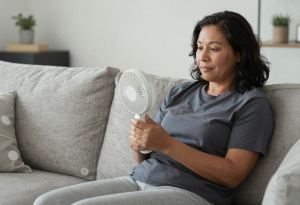
During menopause, the body undergoes significant hormonal shifts, primarily involving estrogen and progesterone, which play essential roles in regulating the menstrual cycle, bone health, cardiovascular function, and mood.
- Estrogen decline: Leads to hot flashes, night sweats, vaginal dryness, and changes in cholesterol levels.
- Progesterone decrease: Can affect sleep patterns, mood stability, and fertility.
- Other hormones: Testosterone, cortisol, and thyroid hormones may also fluctuate, influencing energy levels, weight distribution, and emotional well-being.
These hormonal changes are natural and expected. Understanding them can help women anticipate symptoms, make lifestyle adjustments, and seek medical guidance when necessary.
Common Symptoms Across Stages
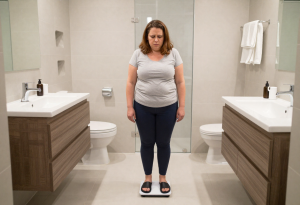
Menopause affects each woman differently, but several symptoms are commonly experienced across perimenopause, menopause, and post-menopause. These include:
- Hot flashes and night sweats: Sudden feelings of heat, often accompanied by sweating and flushed skin, can occur at any time of day or night.
- Sleep disturbances: Difficulty falling or staying asleep, often linked to hormonal changes and night sweats.
- Mood changes: Irritability, anxiety, or low mood may appear as hormones fluctuate.
- Weight and metabolism shifts: Changes in fat distribution, particularly around the abdomen, and a slower metabolism are common.
- Vaginal dryness and discomfort: Reduced estrogen can affect vaginal tissue, impacting intimacy and comfort.
- Cognitive effects: Some women notice memory lapses or difficulty concentrating.
Recognizing these symptoms helps women understand that these changes are natural and manageable. Lifestyle adjustments, mindfulness, and medical guidance can ease the transition and improve quality of life.

Menopause vs Perimenopause vs Post-Menopause
Understanding the differences between perimenopause, menopause, and post-menopause helps women recognize what stage they are in and what changes to expect.
Perimenopause
Perimenopause is the transitional phase leading up to menopause. It can start several years before the final menstrual period, often in a woman’s 40s, but sometimes earlier. During this stage:
- Periods become irregular
- Hormonal fluctuations can cause hot flashes, night sweats, mood changes, and sleep disturbances
- Fertility gradually declines
- Symptoms vary greatly from woman to woman
Menopause
Menopause is officially reached after 12 consecutive months without a menstrual period. Key features include:
- Declining estrogen and progesterone levels
- Persistent hot flashes and night sweats
- Vaginal dryness and changes in sexual health
- Possible shifts in weight and metabolism
- Increased awareness of bone and heart health
This stage marks the end of reproductive capability but is a natural part of aging.
Post-Menopause
Post-menopause refers to the years following menopause. During this stage:
- Hot flashes often lessen or disappear
- Risk of osteoporosis, cardiovascular changes, and weight gain may increase due to low estrogen
- Emotional stability usually improves as hormone levels stabilize
- Maintaining a healthy lifestyle, including diet and exercise, becomes increasingly important

Lifestyle Support & Evidence-Based Tips
Managing menopause effectively involves adopting supportive lifestyle habits that address common symptoms and promote overall well-being. Evidence-based strategies focus on nutrition, exercise, sleep, and stress management.
Nutrition
Eating a balanced diet rich in fruits, vegetables, lean proteins, whole grains, and healthy fats can help manage weight, reduce hot flashes, and support bone and heart health. Key tips include:
- Prioritize calcium- and vitamin D-rich foods to maintain bone density.
- Include lean protein at every meal to support metabolism and muscle mass.
- Opt for phytoestrogen-rich foods (soy, flaxseed, legumes), which may help moderate mild hormonal fluctuations.
- Limit processed foods, excess sugar, and high-sodium snacks that can exacerbate weight gain or bloating.
Exercise
Regular physical activity is critical during menopause. Aim for a combination of:
- Aerobic exercise – walking, swimming, cycling, to support heart health and metabolism
- Strength training – resistance bands or weights to maintain muscle mass and bone density
- Flexibility & balance – yoga, Pilates, or stretching to improve posture and reduce injury risk
Sleep & Stress Management
Sleep disturbances are common due to hot flashes and hormonal changes. Strategies include:
- Maintain a consistent sleep schedule
- Keep the bedroom cool and dark
- Limit caffeine and alcohol, especially in the evening
- Practice mindfulness, meditation, or gentle yoga to reduce stress and improve emotional well-being
Regular Health Checkups
Routine screenings for bone density, cardiovascular health, and blood pressure are recommended to monitor changes that may arise with lower estrogen levels. Partnering with a healthcare provider helps tailor interventions to individual needs.
Adopting these evidence-based strategies empowers women to navigate menopause with confidence and maintain both physical and mental well-being.

FAQ Section: Menopause
1. What are the first signs of menopause?
Early signs of menopause, often during perimenopause, include irregular periods, hot flashes, night sweats, mood changes, and trouble sleeping. These symptoms vary among women and can start several years before your last period.
2. How long does menopause last?
Menopause itself is a single point — the moment 12 consecutive months have passed without a period. However, the transition (perimenopause) can last 4–8 years, and post-menopause continues for the rest of life. Symptom intensity usually decreases over time.
3. Can menopause affect weight?
Yes. Hormonal changes during menopause can slow metabolism and alter fat distribution, often leading to weight gain, especially around the abdomen. Combining balanced nutrition and regular exercise helps manage these changes.
4. Are hot flashes normal during menopause?
Absolutely. Hot flashes and night sweats are common during perimenopause and menopause. They are caused by declining estrogen levels and can last from a few months to several years. Lifestyle adjustments and cooling strategies can help manage them.
5. What can I do to ease menopause symptoms naturally?
Lifestyle strategies such as regular exercise, a balanced diet rich in fruits, vegetables, and lean protein, stress reduction techniques, and consistent sleep habits can help ease symptoms. Some women also find relief with phytoestrogen-rich foods like soy or flaxseed.
According to the Centers for Disease Control and Prevention (CDC), menopause occurs when menstrual periods stop permanently for at least 12 months, and most women experience common symptoms such as hot flashes, night sweats, sleep disturbance,s and mood changes during this transition period. Additionally, the Eunice Kennedy Shriver National Institute of Child Health and Human Development (NICHD) explains that menopause is a normal biological stage marked by the decline of reproductive hormones like estrogen and progesterone, and that changes in menstrual cycles and symptoms such as hot flashes and vaginal dryness are typical as the body adjusts.
