

What is Osteoporosis? It is a condition that causes bones to become weak and brittle, making them more likely to break from minor falls or even simple movements. Despite being often associated with older women, osteoporosis can affect both men and women of all ages, particularly if risk factors are present.
Tip: Osteoporosis often develops silently — many people don’t know they have it until a fracture occurs. Early detection is key.
What Is Osteoporosis?
Osteoporosis literally means “porous bones.” In this condition, the density and quality of bone are reduced, making bones fragile and prone to fractures.
Fractures can happen in the hip, spine, or wrist, sometimes from a simple fall or bump. Spinal fractures may also cause loss of height or a hunched posture.
Tip: Even minor injuries, like a bump or trip, can result in fractures if osteoporosis is present — prevention matters.
Causes and Risk Factors
Osteoporosis develops when bone breakdown exceeds bone formation, which happens naturally with age but can be accelerated by certain factors.
Common risk factors:
- Age: Bone density naturally decreases over time, especially after 50
- Gender: Women are more at risk, especially post-menopause
- Family history: Genetics play a major role
- Low calcium or vitamin D intake: Essential nutrients for strong bones
- Sedentary lifestyle: Bones need weight-bearing activity to stay strong
- Lifestyle habits: Smoking, excess alcohol, or poor nutrition increase risk
Tip: Even if you have risk factors, lifestyle changes can significantly slow bone loss.
Symptoms of Osteoporosis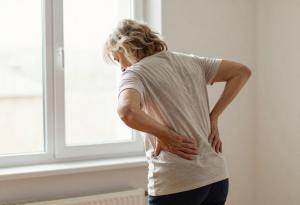
Osteoporosis is often called the “silent disease” because bone loss occurs gradually without obvious symptoms.
Signs to watch for:
- Back pain from fractured or collapsed vertebrae
- Loss of height over time
- Fractures from minor falls or bumps
- A stooped posture
Tip: Regular bone density scans can detect osteoporosis before fractures happen. Don’t wait for symptoms.
How Osteoporosis Is Diagnosed
Doctors usually diagnose osteoporosis through:
- Bone density scan (DEXA): Measures bone strength
- Medical history: Family history, prior fractures, lifestyle factors
- Lab tests: Sometimes used to rule out other causes of bone loss
Tip: If you’re over 50 or have risk factors, ask your doctor about a bone density test. Early detection allows for effective prevention.
Treatment and Prevention
Osteoporosis treatment focuses on strengthening bones, preventing fractures, and maintaining mobility.
1. Nutrition
- Calcium: Found in dairy, leafy greens, fortified foods
- Vitamin D: Helps calcium absorption; from sunlight, supplements, or diet
- Protein: Supports bone structure
Tip: Aim for a daily calcium and vitamin D intake appropriate for your age — supplements may be necessary if your diet is insufficient.
2. Exercise
- Weight-bearing exercises: Walking, jogging, dancing
- Resistance training: Light weights, resistance bands
- Balance exercises: Tai chi or yoga to prevent falls
Tip: Exercise not only strengthens bones but also improves balance, reducing fracture risk.
3. Lifestyle Changes
- Stop smoking
- Limit alcohol
- Maintain a healthy weight
- Avoid frequent falls by clearing hazards at home
Tip: Even small changes, like using handrails and good lighting at home, can prevent fractures.
4. Medications
If lifestyle changes aren’t enough, doctors may prescribe medications such as:
- Bisphosphonates: Slow bone breakdown
- Hormone-related therapy: For post-menopausal women
- Other bone-building medications: Depending on individual risk
Tip: Medications work best when combined with proper nutrition and exercise.
When to See a Doctor
- You’ve had a fracture from minor trauma
- Family history of osteoporosis or early fractures
- Post-menopausal women or men over 50 with risk factors
Tip: Early intervention can prevent serious fractures and long-term mobility issues.
Exercises to Support Bone Health
Daily or 3–4x weekly exercises help strengthen bones:
- Walking or jogging – weight-bearing for the spine and legs
- Resistance training – squats, wall push-ups, bicep curls with light weights
- Balance exercises – yoga poses or single-leg stands
- Core exercises – planks or bridges for spinal support
Tip: Start slow and progress gradually. Avoid exercises that cause sharp pain or risk falls.
References
- Mayo Clinic – Osteoporosis: Symptoms and Causes
- NIAMS – Osteoporosis Causes, Risk Factors, & Symptoms
