
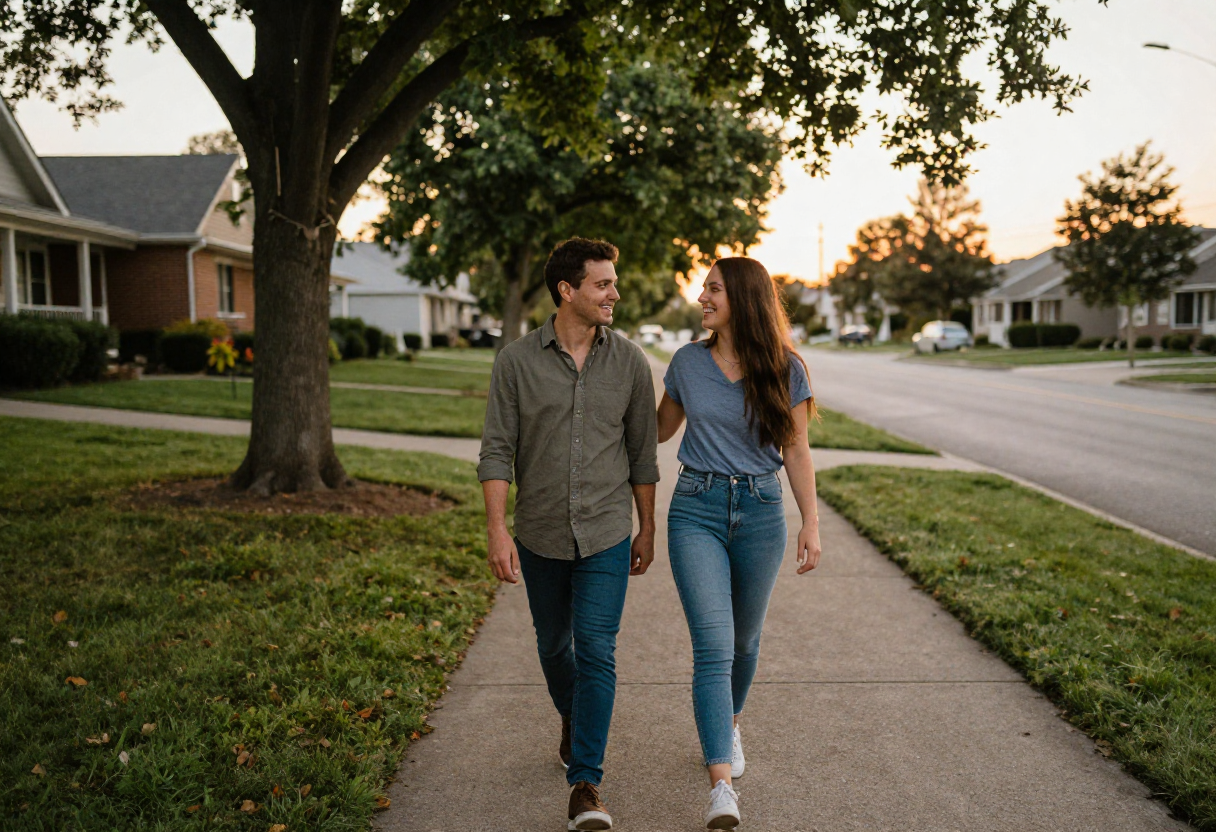
Most people think of exercise as something that needs to happen in the morning, at the gym, or in sweaty workout clothes. But one of the most underrated health habits happens quietly in the evening, often without breaking a sweat. A short walk after dinner may seem too simple to matter, yet it can have a powerful impact on blood sugar balance, digestion, sleep quality, and even long-term weight management. It’s one of those habits that feels almost too easy to be effective, which is why many people overlook it entirely.
After dinner, your body shifts into digestion mode. Blood sugar rises, insulin is released, and your digestive system works to break down food and absorb nutrients. When you remain completely sedentary during this time, especially after a larger or carb-heavy meal, blood sugar tends to spike higher and stay elevated longer. This can leave you feeling bloated, sluggish, uncomfortable, and tired, even if the meal itself was relatively healthy.
A gentle walk after eating changes that process in a subtle but meaningful way.
How Walking After Dinner Affects Blood Sugar
When you walk after a meal, your muscles begin using glucose for energy. This helps pull sugar out of the bloodstream and into muscle cells, reducing blood sugar spikes without requiring as much insulin. Over time, this improves insulin sensitivity, which is especially important for people dealing with fatigue, stubborn weight gain, cravings, or energy crashes.
You don’t need to walk fast or far. Even a relaxed stroll encourages glucose uptake and smoother blood sugar curves. This is why many people notice fewer cravings later at night when they build this habit. Stable blood sugar reduces the urge for dessert, late-night snacks, or something sweet before bed.
For anyone concerned about metabolic health, prediabetes, or energy swings, this small habit can quietly support better regulation without feeling restrictive.
Digestive Benefits You Feel Almost Immediately
One of the first things people notice when they start walking after dinner is improved digestion. Gentle movement stimulates the digestive tract, helping food move through the stomach and intestines more efficiently. This can reduce bloating, gas, heaviness, and that uncomfortable “overfull” feeling that often follows evening meals.
Walking encourages peristalsis, the wave-like muscle contractions that move food through the digestive system. When digestion slows, food sits longer in the stomach and intestines, increasing pressure, fermentation, and discomfort. A short walk helps prevent that stagnation.
Many people who struggle with nighttime bloating, reflux, or indigestion notice improvement within days of adding this habit. It’s especially helpful after richer meals, restaurant dinners, or social occasions where portions tend to be larger.
Why Evening Walks Support Better Sleep
Sleep quality is deeply connected to digestion and blood sugar. When blood sugar remains elevated late into the evening, your body stays more alert, making it harder to fall asleep and stay asleep. Digestive discomfort also interferes with relaxation, often causing restlessness or nighttime waking.
A post-dinner walk helps your body complete digestion earlier in the evening, allowing your nervous system to shift more easily into a relaxed state later on. It also supports the natural drop in cortisol that should occur as bedtime approaches.
Unlike intense evening workouts, which can sometimes overstimulate the nervous system, gentle walking has a calming effect. Many people find it helps clear their mind, reduce stress from the day, and mentally transition into the evening.
Over time, this can improve sleep onset, reduce nighttime waking, and lead to deeper, more restorative rest.
Weight Management Without “Trying Harder”
Going for a walk after dinner isn’t about burning a large number of calories. Its value lies in how it supports your body’s natural systems. Better blood sugar control, improved digestion, and lower evening cravings all contribute to easier weight management over time.
When blood sugar stays stable, insulin levels remain lower. This matters because insulin plays a role in fat storage. Repeated high insulin spikes, especially in the evening, can make fat loss more difficult. A short walk helps blunt those spikes in a gentle, sustainable way.
This habit also reduces the likelihood of mindless evening snacking. Many people snack at night not because they’re truly hungry, but because they’re tired, bored, or experiencing blood sugar dips. Walking helps regulate those signals before they turn into cravings.
Mental Health and Stress Benefits
Evening walks offer more than physical benefits. They create a pause between the busyness of the day and the quiet of the night. Stepping outside, even briefly, helps regulate the nervous system, reduce mental load, and lower stress hormones.
Movement combined with fresh air and natural light cues the brain that the workday is over. This can reduce anxiety, rumination, and that wired-but-tired feeling many people experience in the evening.
For couples or families, walking together after dinner can also become a bonding ritual. It encourages conversation, connection, and presence without screens, which further supports mental well-being.
How Long and How Often Is Enough?
You don’t need long walks to see benefits. Even 10 minutes can make a difference. Ideally, aim for 10 to 20 minutes at a comfortable pace. You should be able to talk easily without feeling out of breath.
Consistency matters more than intensity. Walking after most dinners during the week is more effective than one long walk every few days. If evenings are busy, even walking around the block or pacing indoors can still be helpful.
There’s no need to immediately walk after dinner or eating. Waiting 10–15 minutes allows digestion to begin before you move, which many people find more comfortable.

Making It a Sustainable Habit
The key to making this habit stick is removing pressure. Treat it as a lifestyle ritual rather than exercise. Wear comfortable clothes, keep the pace relaxed, and focus on enjoyment rather than performance.
Some people pair their walk with music, a podcast, or a conversation. Others prefer quiet time. There’s no right way to do it, as long as it feels supportive rather than forced.
If you miss a night, it’s not a failure. This habit works because it’s flexible, forgiving, and easy to return to.
Why Simple Habits Often Work Best
In a world full of complex health advice, the most effective changes are often the simplest. Walking after dinner doesn’t require supplements, tracking apps, or willpower. It works with your body instead of against it.
When you support digestion, blood sugar, and stress naturally, many other health goals begin to fall into place without constant effort. This is why small, consistent habits often outperform extreme approaches in the long run.
If you’re looking for a low-pressure way to support your health, improve sleep, and feel better in your body without overhauling your life, a short walk after dinner is one of the most practical places to start.
Research shows that even a brief walk after dinner or eating can help manage post‑meal blood sugar by reducing sharp glucose spikes and improving the body’s glycemic response. For example, a study published in Scientific Reports found that walking for just 10 minutes immediately after a meal was effective at lowering postprandial blood glucose elevation, making it easier for the body to control glucose levels. Additionally, clinical research indexed on PubMed Central demonstrated that multiple short bouts of post‑meal walking significantly improved 24‑hour glucose control compared with a single longer walk, indicating that timing and frequency matter for metabolic benefits. Light post‑meal movement has also been shown in systematic reviews to minimise blood sugar excursions when performed soon after eating, supporting healthier metabolic responses throughout the day.
