

If you’ve ever woken up after a night of drinking feeling puffy or uncomfortable, you might be wondering why alcohol makes you bloated the next day. This common reaction happens because alcohol can disrupt digestion, cause your body to retain water, and trigger mild inflammation in the gut.
Even if you feel fine while drinking, the bloating often appears hours later, leaving your stomach tight or heavy. Knowing the reasons behind it can help you enjoy drinks while reducing discomfort the next day.
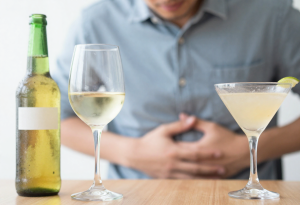
Why Alcohol Causes Bloating
Alcohol can make your stomach feel heavy and puffy for several reasons. One main cause is water retention. Alcohol is a diuretic, which can dehydrate your body and cause it to hold onto extra water, leading to that bloated, uncomfortable feeling.
Another factor is gut inflammation. Alcohol irritates the lining of your digestive system, slowing digestion and sometimes causing gas to build up. This can make your stomach feel tight or distended.
Histamines and sugars in certain drinks, like red wine or sweet cocktails, can also trigger bloating. Histamines can increase inflammation, while high sugar content feeds gut bacteria that produce gas, contributing to discomfort.
By understanding these effects, you can see why bloating often shows up several hours after drinking, even if you felt fine at the time.
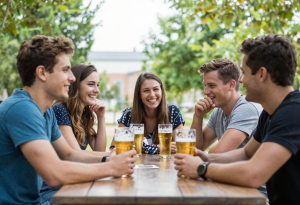
Common Drinks That Make Bloating Worse
Not all alcoholic drinks affect your stomach the same way. Some are more likely to cause bloating due to high sugar content, carbonation, or histamines. Here’s a quick guide:
| Drink Type | Why It Causes Bloating | Tips to Reduce Impact |
|---|---|---|
| Beer | Carbonation and high yeast content can trap gas in your stomach | Drink slowly, choose lighter beers |
| Red Wine | Contains histamines and tannins, which can increase inflammation | Opt for white wine or low-histamine options |
| Sweet Cocktails | High sugar content feeds gut bacteria, producing gas | Choose dry cocktails or use sugar-free mixers |
| Champagne / Sparkling Wine | Carbonation can expand the stomach quickly | Limit intake, sip slowly |
| Spirits with Mixers | Sugary mixers increase water retention and gas | Mix with water or soda water instead of juice or soda |
By knowing which drinks are more likely to cause bloating, you can make smarter choices and enjoy social occasions without waking up uncomfortable the next day.
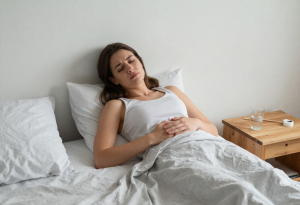
Why You Wake Up Bloated After Drinking
Even if your stomach feels fine while drinking, the bloating often shows up hours later. This “morning-after” discomfort happens for a few key reasons:
- Dehydration: Alcohol makes you urinate more, which can leave your body short on water. When your body is dehydrated, it holds onto extra water, causing your stomach and sometimes limbs to feel puffy.
- Delayed Digestion: Alcohol can slow down your digestive system. Food and drinks stay in your stomach and intestines longer, which can lead to gas buildup and bloating.
- Inflammation: Alcohol irritates the gut lining, which can trigger mild inflammation. This reaction can make your stomach feel tight, heavy, or uncomfortable.
By understanding these effects, you can see why bloating and discomfort often appear the next morning — even if you didn’t notice anything while drinking. Simple habits like drinking water before bed and choosing lighter drinks can help reduce these symptoms.
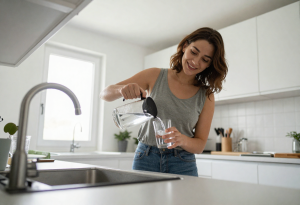
How to Reduce Alcohol Bloating
You don’t have to accept bloating as a normal part of drinking. Simple habits can help reduce discomfort the next day.
| Tip | How It Helps |
|---|---|
| Drink Water Between Alcoholic Drinks | Keeps you hydrated and reduces water retention. |
| Choose Low-Sugar or Low-Histamine Drinks | Less sugar feeds fewer gut bacteria, and low-histamine drinks reduce inflammation. |
| Eat Lightly Before Drinking | A balanced meal can slow alcohol absorption and support digestion. |
| Avoid Carbonated Drinks | Carbonation can trap gas in your stomach and increase bloating. |
| Gentle Movement or Stretching | Helps stimulate digestion and relieve trapped gas. |
By following these simple strategies, you can enjoy social drinking while minimizing bloating and discomfort the next day.

When Bloating Could Be a Sign of Something More
Most alcohol-related bloating is temporary and harmless. However, if you notice frequent or severe bloating, it could indicate an underlying issue that deserves attention.
- Chronic Digestive Problems: Conditions like irritable bowel syndrome (IBS) or acid reflux can make bloating worse after drinking alcohol.
- Food Intolerance or Alcohol Sensitivity: Some people react strongly to certain ingredients in drinks, like gluten in beer or sulfites in wine.
- Persistent Bloating: If bloating lasts for several days or is accompanied by pain, nausea, or other unusual symptoms, it’s a good idea to consult a healthcare professional.
Paying attention to these signs can help you enjoy alcohol safely and avoid masking a more serious digestive problem.
FAQ: Alcohol Bloating
Q1: Why does alcohol make me bloated?
Alcohol can cause water retention, slow digestion, and trigger mild gut inflammation, all of which lead to bloating.
Q2: Can dehydration make alcohol bloating worse?
Yes. Alcohol is a diuretic, and dehydration can cause your body to hold onto extra water, increasing bloating.
Q3: Which alcoholic drinks cause the least bloating?
Low-sugar, low-histamine drinks like light beer, clear spirits with soda water, or dry wine are less likely to cause bloating.
Q4: How long does alcohol bloating usually last?
For most people, bloating from alcohol lasts a few hours to the next morning, depending on hydration, food intake, and drink type.
Q5: Can alcohol intolerance cause bloating every time?
Yes. People with alcohol sensitivity or intolerance may experience bloating and other digestive symptoms after even small amounts of alcohol.
If you’ve ever woken up after a night of drinking feeling puffy or uncomfortable, you might be wondering why alcohol makes you bloated the next day. According to the Mayo Clinic, drinking alcohol can irritate and inflame the lining of your stomach, which may contribute to discomfort, indigestion, and a feeling of fullness — especially if you consume alcohol in higher amounts or on an empty stomach. Alcohol‑induced irritation of the digestive tract is linked with conditions like gastritis, where the stomach lining becomes inflamed after exposure to alcohol or other irritants.
Medical News Today also explains that alcohol can lead to bloating by increasing gas and inflammation in the gastrointestinal system, particularly when beverages contain carbonation or added sugars. Blasts of gas and irritation can make your stomach feel tight or heavy after drinking.
Finally, HealthDirect notes that alcohol affects multiple parts of the body, including digestion and hydration balance; drinking more than your body can comfortably process may exacerbate side effects like bloating and discomfort.
