

Why does my face go red when drinking alcohol? Many people notice their face turning red after a few sips. This common reaction, called alcohol flush, happens when your body metabolizes alcohol.
Facial redness from alcohol is a natural response in some people and can be influenced by genetics, drink type, and how your body metabolizes alcohol. While it’s usually harmless, understanding the causes can help you enjoy social events more comfortably and even reduce the intensity of flushing.
In this article, we’ll explain what causes your face to go red when drinking alcohol, explore the role of histamines, highlight drinks that can make it worse, and provide practical tips to manage alcohol flush at parties or gatherings.
What Is Alcohol Flush?
Alcohol flush is the term used to describe the sudden redness that appears on your face, neck, or chest after drinking alcohol. It’s a visible reaction that can range from a slight pink tint to a bright, noticeable red. For many, it’s accompanied by a warm or tingling sensation.
This reaction happens because your body is breaking down alcohol in a specific way. Normally, alcohol is converted into acetaldehyde, a substance that is then broken down by enzymes. Some people have a reduced ability to process acetaldehyde efficiently, which causes it to build up in the bloodstream. This buildup triggers blood vessels to widen, resulting in the redness you see on your face.
While it can be surprising or even embarrassing, an alcohol flush is usually harmless. However, knowing why it happens can help you manage the reaction and make informed choices about the types and amounts of alcohol you consume.

Causes of Red Face When Drinking Alcohol
Facial redness after drinking alcohol can occur for several reasons. Understanding these causes helps you identify triggers and take practical steps to reduce flushing.
Alcohol Metabolism and Acetaldehyde
When you drink alcohol, your body first breaks it down into acetaldehyde, a compound that can be toxic if it accumulates. Normally, enzymes in your liver convert acetaldehyde into a harmless substance. However, some people have a reduced ability to process it efficiently. The resulting buildup causes blood vessels to widen, producing the redness, warmth, and tingling associated with alcohol flush.
What Are Histamines?
Histamines are naturally occurring compounds found in certain foods and drinks, including red wine, beer, and champagne. They are part of your body’s immune response and can affect blood vessels and skin reactions.
If your body cannot break down histamines efficiently, consuming high-histamine drinks can intensify facial redness and create a stronger flushing reaction.
How Histamines Affect Alcohol Flush
Histamines can amplify the effects of acetaldehyde buildup, making your face turn even redder. People who are sensitive to histamines may notice:
- Stronger facial flushing
- Headaches
- Warm or tingling sensations
Choosing low-histamine drinks, such as clear spirits or freshly brewed wine alternatives, can help reduce redness.
Alcohol Intolerance vs. Allergies
Sometimes, redness may also relate to alcohol intolerance, where your body reacts more strongly to certain types of alcohol. This is different from an allergy, which usually involves immune system responses like hives or swelling.
If you notice severe reactions, consult a healthcare professional. Most mild flushing, however, is harmless.
Alcohol Types That Can Make Redness Worse
Certain drinks are more likely to trigger or worsen facial redness:
- Red wine and champagne – high histamine content
- Dark liquors like whiskey, brandy, and rum – higher congeners (byproducts of fermentation)
- Carbonated alcoholic drinks – speed up alcohol absorption
Keep track of which drinks trigger your flush and plan accordingly for social events.
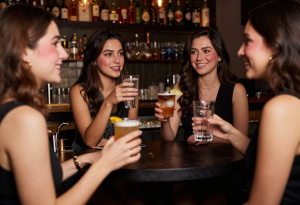
Practical Tips to Reduce Redness
While alcohol flush is usually harmless, there are several practical ways to reduce facial redness and feel more comfortable at social events.
Drink Slowly and in Moderation
Pacing yourself gives your body more time to metabolize alcohol, reducing acetaldehyde buildup and minimizing flushing. Alternate alcoholic drinks with water to stay hydrated and maintain comfort.
Avoid Trigger Drinks
Certain drinks can make redness worse. Try to limit or avoid:
- Red wine and champagne (high histamines)
- Dark liquors like whiskey, brandy, and rum (more congeners)
- Carbonated alcoholic drinks (faster absorption)
Keeping a personal drinking diary helps you identify which beverages trigger your flush.
Eat a Light Meal Before Drinking
Consuming food before drinking slows alcohol absorption, which can help reduce facial redness and other mild symptoms.
Lifestyle and Social Strategies
- Track which drinks cause reactions to plan ahead
- Stay confident at social events — flushing is common and usually harmless
- Consult a healthcare professional if flushing is severe or accompanied by other symptoms
Facial redness from drinking alcohol is often linked to how your body metabolises alcohol. When alcohol is broken down, it first turns into acetaldehyde — a compound the body needs to process further. If your body doesn’t break acetaldehyde down efficiently, it can build up and trigger a flushing reaction that makes blood vessels widen and skin turn red. This reaction is known as an alcohol flush reaction and is commonly due to variations in enzymes like ALDH2 that help with alcohol metabolism; histamine release may also play a role in intensifying the redness. Studies show this reaction is a type of alcohol intolerance rather than an allergy, and it can be more common in certain genetic groups, such as people of East Asian descent. National Institute on Alcohol Abuse and Alcoholism
FAQs
Q1: Is alcohol flush dangerous?
In most cases, facial redness after drinking alcohol is harmless. However, if it’s accompanied by dizziness, breathing problems, or severe symptoms, consult a healthcare professional.
Q2: Why does this happen only sometimes?
Flushing can vary depending on the type of alcohol, amount consumed, hydration, and your body’s enzyme activity at the time.
Q3: Can medications affect alcohol flush?
Yes — some medications can interfere with alcohol metabolism, making flushing more likely. Always check with your healthcare provider.
Q4: Are some drinks worse than others?
Yes — red wine, champagne, dark liquors, and carbonated alcoholic drinks tend to trigger stronger redness due to histamines, congeners, and faster absorption.
