
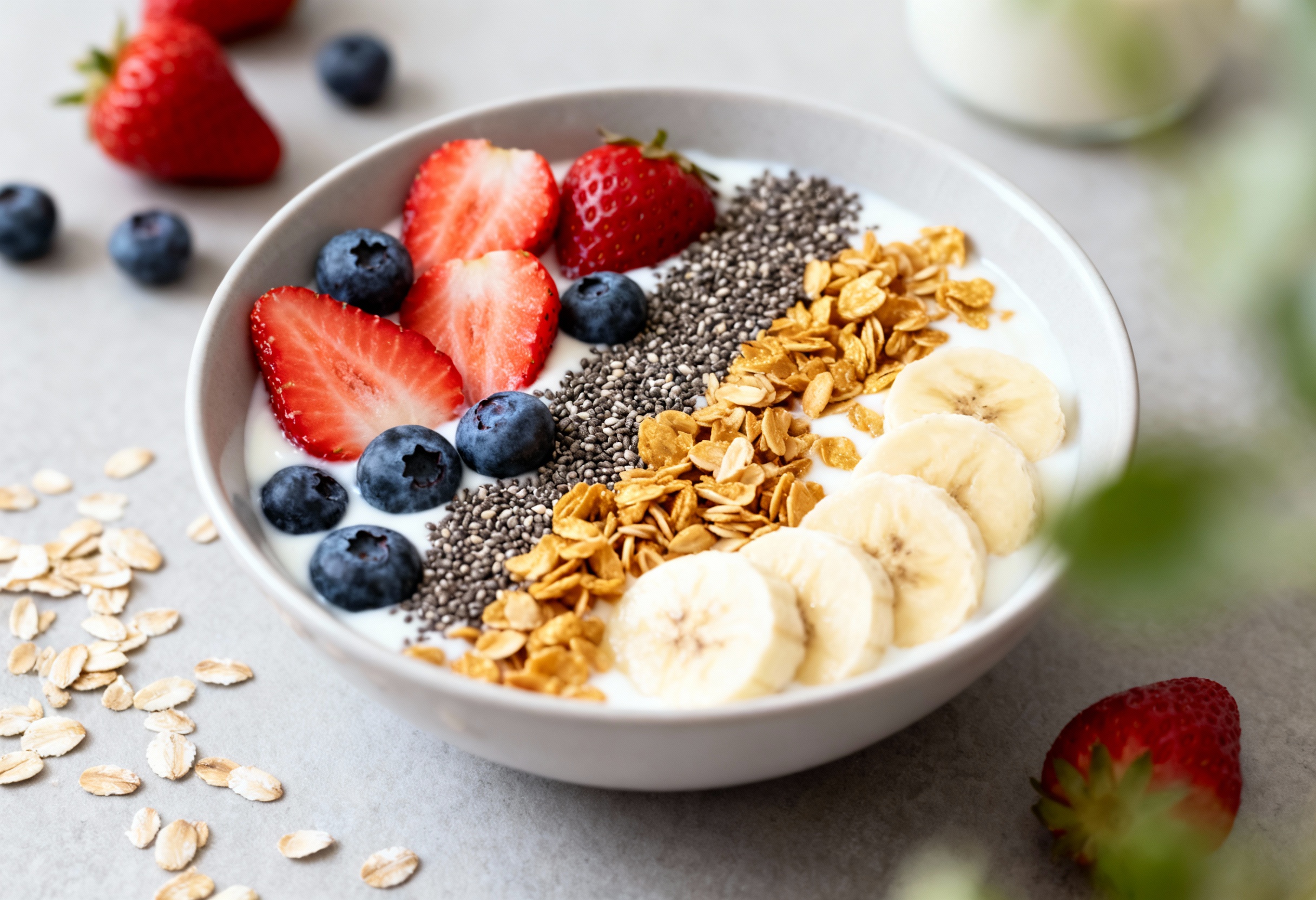
Digestive health plays an essential role in overall wellness. When your digestive system functions properly, your body can break down food efficiently, absorb nutrients, and eliminate waste without discomfort. However, many people experience issues such as bloating, sluggish digestion, gas, or stomach discomfort, often without realizing that everyday food choices can make a significant difference.
Fortunately, supporting digestion doesn’t require complicated diets or supplements. Many everyday foods that improve digestion contain natural fiber, beneficial bacteria, or compounds that help your digestive system function more effectively. By incorporating these foods into your regular meals, you can help support gut balance and reduce common digestive problems.
Below are some simple foods that can help support healthy digestion and gut function naturally.
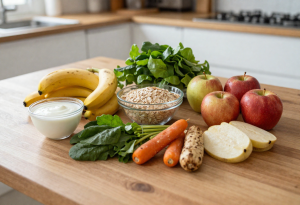
10 Everyday Foods That Improve Digestion Naturally
If you want to support digestive health, adding these foods to your regular meals can help improve how your digestive system functions.
- Yogurt – Contains beneficial bacteria that help maintain a balanced gut environment.
- Kefir – A fermented dairy drink rich in probiotics that support digestive health.
- Oats – Provide soluble fiber that helps food move smoothly through the digestive tract.
- Bananas – Gentle on the stomach and support healthy gut bacteria.
- Ginger – Helps stimulate digestion and may reduce nausea or stomach discomfort.
- Leafy greens – High in fiber and nutrients that support healthy digestion.
- Apples – Contain pectin, a type of fiber that supports gut function.
- Chia seeds – Absorb water and help promote regular bowel movements.
- Fermented vegetables – Foods like sauerkraut or kimchi contain beneficial microbes.
- Whole grains – Provide fiber that helps maintain healthy digestion.
Including a variety of these foods in your diet can help support gut balance, regular digestion, and overall digestive comfort.

How Digestion Works and Why It Matters
Digestion is the process your body uses to break down food into nutrients that can be absorbed and used for energy, growth, and repair. While it may seem simple, digestion involves several organs working together, including the stomach, intestines, liver, pancreas, and digestive enzymes.
The process begins when you start chewing food. Saliva contains enzymes that begin breaking down carbohydrates before the food even reaches your stomach. Once swallowed, stomach acids and enzymes continue breaking food down into smaller components.
As food moves into the small intestine, nutrients such as vitamins, minerals, fats, proteins, and carbohydrates are absorbed into the bloodstream. The large intestine then helps absorb water and process remaining fiber and waste before elimination.
Healthy digestion is important because it affects more than just how comfortable you feel after eating. Efficient digestion helps your body:
- Absorb essential nutrients
- Maintain steady energy levels
- Support immune function
- Reduce digestive discomfort like bloating or constipation
When digestion is not functioning well, symptoms such as gas, bloating, sluggish digestion, or irregular bowel movements may occur. This is why choosing foods that improve digestion can make a meaningful difference in supporting overall digestive health.
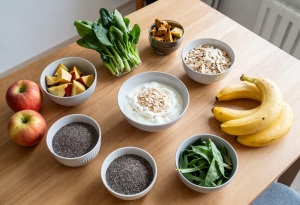
Everyday Foods That Improve Digestion
Adding a variety of whole foods to your meals can help support digestive health naturally. Many foods contain fiber, natural enzymes, or beneficial bacteria that help the digestive system function efficiently. Including these foods regularly may help reduce bloating, support gut balance, and promote smoother digestion.
Below are some common foods that improve digestion and why they may help.
| Food | How It Supports Digestion |
|---|---|
| Yogurt | Contains beneficial bacteria that help support a balanced gut environment. |
| Kefir | A fermented drink rich in probiotics that supports digestive balance. |
| Oats | High in soluble fiber, which helps move food smoothly through the digestive system. |
| Bananas | Gentle on the stomach and contains fiber that supports gut health. |
| Ginger | Known to stimulate digestion and may help reduce nausea and stomach discomfort. |
| Leafy greens | Provide fiber and nutrients that support overall digestive function. |
| Apples | Contain pectin, a type of fiber that helps support healthy digestion. |
| Chia seeds | Absorb water and help promote regular bowel movements. |
| Fermented vegetables | Foods like sauerkraut or kimchi contain beneficial microbes that support gut balance. |
| Whole grains | Provide fiber that helps maintain regular digestion and gut health. |
Including several of these foods throughout the day can help provide the fiber, nutrients, and natural compounds that support a healthy digestive system.
Foods That Help With Common Digestive Problems
Different digestive symptoms may benefit from different foods. While overall diet and lifestyle play an important role, certain foods can help support digestive comfort and reduce common issues like bloating or sluggish digestion.
Below are examples of foods that may help support digestion depending on the symptom.
| Digestive Issue | Foods That May Help | Why They Help |
|---|---|---|
| Bloating | Ginger, yogurt, peppermint tea | May help relax the digestive tract and support gut balance. |
| Constipation | Oats, chia seeds, leafy greens | Provide fiber that supports regular bowel movements. |
| Sluggish digestion | Fermented foods, whole grains | Help support gut bacteria and digestive movement. |
| Sensitive stomach | Bananas, rice, cooked vegetables | Gentle foods that are easier to digest. |
| Gas and discomfort | Yogurt, kefir, ginger | Support digestive balance and gut health. |
Including a variety of these foods in balanced meals can help support overall digestive comfort and gut health. If digestive symptoms occur frequently or become severe, consulting a healthcare professional may be helpful.

Daily Habits That Support Healthy Digestion
While choosing the right foods is important, daily habits also play a major role in digestive health. Simple lifestyle practices can help your digestive system work more efficiently and reduce common issues such as bloating, sluggish digestion, or discomfort after meals.
Here are several habits that can help support healthy digestion:
Eat slowly and chew thoroughly
Digestion begins in the mouth. Chewing food properly allows digestive enzymes in saliva to start breaking down nutrients, which can make digestion easier once food reaches the stomach.
Stay well hydrated
Drinking enough water helps move food through the digestive tract and supports the body’s ability to absorb nutrients efficiently. Proper hydration is also important for preventing constipation.
Include fiber-rich foods daily
Fiber helps support regular bowel movements and promotes the movement of food through the digestive system. Foods like vegetables, fruits, whole grains, and seeds provide valuable dietary fiber.
Move your body regularly
Physical activity can help stimulate digestion and support regular bowel movements. Even light activities like walking after meals may help improve digestive comfort.
Manage stress levels
Stress can affect how the digestive system functions. Practicing relaxation techniques such as deep breathing, stretching, or mindfulness may help support healthy digestion.
Maintain consistent meal times
Eating meals at regular times each day helps the body establish a natural digestive rhythm, which can improve how efficiently food is processed.
These simple habits, combined with foods that improve digestion, can help support a healthier digestive system and improve overall comfort after eating.

Common Habits That Can Disrupt Digestion
Just as certain foods and habits support digestion, others can make digestive discomfort more likely. Many people experience bloating, gas, or sluggish digestion simply because of everyday habits that unintentionally stress the digestive system.
Being aware of these common habits can help you make small adjustments that support better digestive health.
Eating too quickly
When meals are rushed, food may not be chewed thoroughly. Larger food particles are harder for the stomach and intestines to break down, which can contribute to bloating and discomfort.
Low fiber intake
Fiber plays a key role in moving food through the digestive tract. Diets low in fruits, vegetables, whole grains, and seeds may lead to slower digestion and constipation.
Highly processed foods
Processed foods often contain lower amounts of fiber and higher levels of added sugars or unhealthy fats, which may disrupt digestive balance when consumed frequently.
Dehydration
Not drinking enough water can slow digestion and contribute to constipation. Adequate hydration helps keep the digestive system functioning smoothly.
High stress levels
Stress can affect the communication between the brain and digestive system, sometimes leading to symptoms like stomach discomfort, bloating, or irregular digestion.
Eating large meals late at night
Consuming heavy meals shortly before bedtime may make digestion less comfortable, as the body naturally slows digestive processes during sleep.
Making small improvements to daily habits, along with including foods that improve digestion, can help support more comfortable and efficient digestion over time.
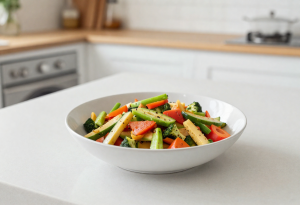
Simple Meal Ideas for Better Digestion
Incorporating foods that improve digestion into your meals doesn’t have to be complicated. Here are some simple meal ideas to help support your digestive system while keeping your diet balanced and enjoyable.
Breakfast
- Oats with yogurt and fresh berries – Provides fiber and probiotics to support gut health.
- Banana smoothie with chia seeds – Gentle on the stomach and supports regular digestion.
Lunch
- Leafy green salad with whole grains and lean protein – Fiber-rich and nutrient-dense for digestive support.
- Vegetable stir-fry with brown rice – Cooked vegetables are easier to digest and, paired with whole grains, provide sustained energy.
Dinner
- Baked fish with steamed vegetables – Easy to digest and packed with vitamins and minerals.
- Quinoa and roasted vegetables – High in fiber, promoting gut motility and overall digestive health.
Snacks
- Yogurt or kefir with fruit – A probiotic-rich snack for gut support.
- Fresh fruit or nuts – Gentle on digestion and a healthy source of fiber.
These simple meal combinations can help you naturally support your digestive system, reduce bloating, and improve nutrient absorption, all while keeping meals enjoyable and easy to prepare.

Frequently Asked Questions (FAQ)
1. What foods are easiest to digest?
Gentle, fiber-rich foods like bananas, cooked vegetables, oats, and yogurt are typically easy on the digestive system and support regular bowel movements.
2. Can diet improve digestion quickly?
Small changes, such as adding fiber-rich foods and probiotics, can improve digestion within a few days, though consistent habits yield the best long-term results.
3. Are fermented foods necessary for gut health?
Fermented foods like yogurt, kefir, and sauerkraut help support healthy gut bacteria, but a balanced diet with fiber and nutrient-rich foods is also very effective.
4. What foods help reduce bloating?
Ginger, peppermint tea, yogurt with probiotics, and easily digestible fruits and vegetables can help relieve bloating and support digestive comfort.
5. How much fiber should I eat daily for healthy digestion?
Most adults benefit from 25–35 grams of fiber per day, ideally from a mix of fruits, vegetables, whole grains, and seeds.
Supporting digestion with the right foods and habits is backed by reputable health organizations. According to the Mayo Clinic, eating enough fiber from fruits, vegetables, and whole grains helps maintain regular bowel movements and supports digestive health. The Harvard T.H. Chan School of Public Health notes that dietary fiber plays an important role in digestive function and overall health.
