
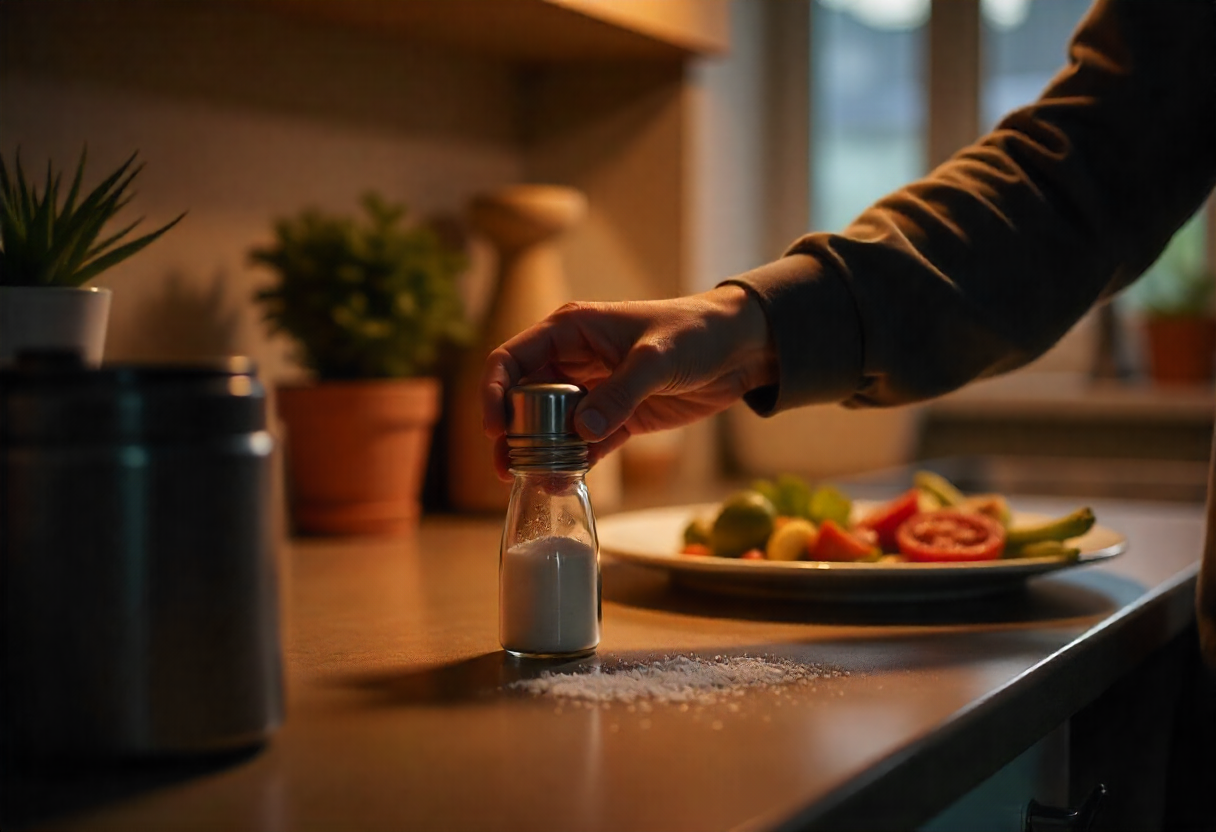
Have you ever found yourself raiding the salt shaker late at night and wondered why? You’re not alone. Many people experience late-night salt cravings, and while it might seem like a simple taste preference, these cravings can reveal important information about your body’s health. Understanding why you crave salt at night can help you make smarter dietary choices, maintain electrolyte balance, and even improve your overall well-being.
Salt Cravings Are More Than Just Taste
Salt, or sodium, is essential for your body. It helps regulate fluid balance, nerve function, and muscle contractions. When your body senses that sodium levels are low, it can trigger cravings, especially during times when you’re relaxed or eating less earlier in the day. Nighttime cravings are common because your body may have depleted sodium stores from sweating, exercise, or even simple daily activity.
While reaching for a salty snack occasionally isn’t harmful, persistent cravings can indicate underlying issues that may need attention. Understanding the why behind these cravings can help prevent excessive salt intake, which is linked to high blood pressure and other cardiovascular risks.
Dehydration and Electrolyte Imbalance
One of the main reasons people crave salt at night is dehydration. Sodium plays a key role in maintaining fluid balance, so if your body senses low sodium levels, it may trigger cravings to encourage you to restore balance. Skipping meals, drinking insufficient water, or sweating heavily during the day can all contribute to mild dehydration and electrolyte imbalance.
Electrolytes, including sodium, potassium, and magnesium, are crucial for maintaining proper nerve and muscle function. If your diet is low in sodium or you’ve lost minerals through exercise or sweat, your body might instinctively prompt you to consume salty foods.
Stress and Hormonal Triggers
Stress is another common factor behind late-night salt cravings. When your body is stressed, it releases cortisol, a hormone that can influence appetite and cravings. Elevated cortisol levels can drive a desire for energy-dense foods, including those high in sodium. Nighttime is often when people finally unwind from a stressful day, which may explain why cravings appear more intense in the evening.
Additionally, aldosterone, a hormone that helps regulate sodium balance, can fluctuate due to stress, diet, or hydration status. Low aldosterone levels can make your body seek salt to maintain electrolyte balance.
Poor Meal Timing and Blood Sugar Imbalances
Skipping meals or consuming a diet low in protein and healthy fats can also lead to salt cravings. When your blood sugar drops, your body may send signals to consume energy-rich foods. While we often think of this as sweet cravings, salty cravings are also part of the response, especially if meals earlier in the day were unbalanced. Eating a late dinner or having inconsistent meal times may worsen these cravings.
Incorporating balanced meals throughout the day with adequate protein, healthy fats, and complex carbohydrates can help minimize these nighttime salt urges.
Underlying Health Conditions
Sometimes, persistent salt cravings can indicate a medical condition. For example:
- Adrenal insufficiency: Low adrenal function can cause intense salt cravings due to reduced aldosterone production.
- Electrolyte deficiencies: Low sodium, potassium, or magnesium levels may trigger cravings.
- Dehydration: Chronic fluid loss from diarrhea, sweating, or certain medications can increase salt desire.
If you notice frequent, overwhelming salt cravings, it may be worth discussing with a healthcare professional, especially if accompanied by fatigue, dizziness, or weakness.
Tips to Manage Late-Night Salt Cravings
- Stay hydrated: Drinking water throughout the day helps maintain sodium balance and reduces cravings.
- Eat balanced meals: Include protein, healthy fats, and complex carbs to prevent blood sugar dips.
- Include healthy sodium sources: Instead of processed snacks, use naturally sodium-rich foods like olives, celery, or lightly salted nuts.
- Manage stress: Evening meditation, light stretching, or a short walk can lower cortisol levels and reduce cravings.
- Check your mineral intake: Sometimes magnesium or potassium deficiencies can increase salt cravings. Foods like bananas, spinach, and almonds help balance electrolytes.
- Read about hidden salt traps: Certain meals or processed foods contain high amounts of hidden salt, which can spike cravings. For more detailed tips on avoiding these, check out The Salt Trap.
The Connection Between Salt Cravings and Sleep
Salt cravings at night may also be linked to your circadian rhythm. Your body’s metabolism and hormone levels fluctuate throughout the day. Evening is a time when your nervous system slows down, but your body may signal for energy or minerals it missed earlier. This is why salty snacks are often more appealing after dinner or before bed. Understanding these patterns can help you plan your meals and evening snacks to satisfy your body without overconsuming sodium.
When to Seek Professional Advice
Occasional salt cravings are normal, but persistent, intense, or unusual cravings can indicate something more serious. If cravings are paired with fatigue, dizziness, or other unexplained symptoms, consulting a healthcare professional is recommended. A simple blood test can check your electrolyte balance, adrenal function, and overall mineral levels.
Bottom Line
Craving salt at night is usually your body’s way of signaling it needs something — whether hydration, electrolytes, or energy. Paying attention to your daily hydration, stress levels, meal timing, and hidden salt intake can help manage these cravings naturally. For men or women looking to reduce bloating and improve overall wellness, understanding these signals is an easy step toward better health. And don’t forget, some high-salt meals have hidden impacts you might not expect — for more insights, check out The Salt Trap.
References
https://www.healthline.com/nutrition/why-do-i-crave-salt
https://www.ncbi.nlm.nih.gov/pmc/articles/PMC4258944/