

Many people eat clean and avoid obvious “bloat” foods, yet still wonder why your bloated after meals. Feeling puffy, swollen, or uncomfortable isn’t always about what you eat—hydration plays a hidden but powerful role. The fluids your body has (or doesn’t have) can directly affect bloating, digestion, and how you feel, even when eating healthy.
Here, we’ll explain the hydration secret behind bloating, what’s happening inside your body, and simple, practical ways to ease discomfort so you feel lighter and more comfortable throughout the day.
How Dehydration Causes Bloating
Your body needs water to digest food properly. Water helps break down nutrients, move them through your digestive tract, and support regular bowel movements. When you’re dehydrated, your digestive system slows down, which can make gas and food stay in your intestines longer—this leads to that uncomfortable, swollen feeling.
When you drink water, it also helps balance electrolytes—minerals like sodium, potassium, and magnesium that your cells use to maintain fluid balance. Without enough water, your body may hold on to fluid as a protective mechanism, which can literally make you feel bloated and puffy.
Dehydration also affects how your muscles relax and contract. Your intestines need smooth muscle movement (peristalsis) to push food along. Without adequate water, this movement can slow, which may contribute to constipation and abdominal discomfort.
Signs You Might Be Dehydrated
Bloating isn’t the only sign of dehydration, but it’s a common one. You might notice:
• A dark yellow color when you pee
• Dry mouth or lips
• Headaches or dizziness
• Fatigue or sluggishness
• Feeling thirsty even after drinking
If these show up alongside bloating, your hydration level might be part of the problem.
Fixing Bloating Starts With Hydration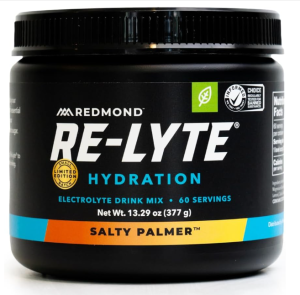
Drinking more water regularly is the first step—but some people need extra support to replace not just water, but also the micronutrients lost through sweat, exercise, or even normal daily activity. That’s where electrolyte support comes in.
For deeper hydration, many people find adding an electrolyte drink helpful because it replenishes the minerals your body uses to manage fluids. A well‑balanced electrolyte mix can improve water absorption, support digestion, and help your body stay in balance throughout the day. A popular option many readers use is an electrolyte hydration powder. This kind of supplement can be especially useful when plain water alone doesn’t seem to calm bloating.
Hydration Tips That Support Digestion
Drink a glass of water before each meal. This can help kick‑start digestion and ensure your system has enough fluid to process food efficiently.
Sip water steadily throughout the day instead of waiting until you’re extremely thirsty—thirst is a late sign of dehydration.
Include water‑rich foods like cucumbers, watermelon, oranges, and soups in your meals, especially if you struggle to drink enough fluids.
If you exercise or spend time in the heat, make electrolytes part of your routine so your body doesn’t go into fluid‑retention mode.
Other Habits That Help Bloat Even When Eating Healthy
Hydration isn’t the only piece of the puzzle, but it’s often the missing one. Combined with good hydration, these habits reinforce each other:
• Eat slowly and chew thoroughly to avoid swallowing excess air.
• Include fiber from vegetables, fruits, beans, and whole grains to support regular bowel movements.
• Try gentle movement after meals, like a short walk, which can help stimulate digestion.
• Reduce carbonated drinks if gas and burping are part of your bloat.
• Notice if dairy, beans, or certain sweeteners cause personal sensitivity (everyone’s gut is unique).
When Bloating Isn’t Just Dehydration
Most of the time, adjusting your hydration and eating habits will help your bloating noticeably. But if you consistently have severe abdominal distension, pain, weight loss, blood in your stool, or other concerning symptoms, it’s worth talking with a healthcare provider to rule out conditions like IBS, food intolerances, or other digestive issues.
The Takeaway
Even when eating healthy, many people wonder why your bloated—and dehydration is often the hidden culprit. Your body relies on water to digest food properly, move it through your system, and maintain fluid balance. By drinking enough water and supporting electrolytes when needed, you can improve fluid absorption, ease digestion, and reduce that uncomfortable bloated feeling.
Being mindful about hydration is one of the simplest and most effective ways to feel lighter and more comfortable throughout the day. For guidance on proper hydration and fluid needs, the Harvard T.H. Chan School of Public Health provides practical tips and research-backed recommendations.
