

Many women start looking for foods to increase sex drive after menopause as they notice changes in energy, mood, and libido during this stage of life.
After menopause, hormonal shifts are common and can affect desire, stamina, and overall well-being. It’s also normal to feel like your body is responding differently than it used to.
While this is a natural part of ageing, nutrition can play a supportive role in hormone balance and energy levels. Certain foods may help the body function more efficiently, potentially positively influencing libido over time.
In this article, we’ll look at 5 foods that may help support sex drive after menopause and how to easily include them in your diet.

Why Sex Drive Often Decreases After Menopause
A lower sex drive after menopause is very common, and it usually comes down to a combination of physical and hormonal changes happening in the body.
One of the main reasons is the drop in estrogen and testosterone. These hormones play a key role in sexual desire, vaginal lubrication, and blood flow. When levels decline, it can lead to reduced sensitivity, discomfort during intimacy, and a lower overall interest in sex.
Other factors can also add to these changes:
- Lower estrogen levels – can cause vaginal dryness and reduced comfort during sex
- Reduced testosterone – may affect libido and sexual motivation
- Slower blood circulation – can reduce arousal and physical response
- Fatigue and sleep changes – can lower energy and interest in intimacy
- Stress and emotional changes – can reduce desire even when hormones are balanced
It’s also important to remember that libido is not only physical. Emotional well-being, relationship changes, body confidence, and daily stress levels can all influence how often you feel interested in sex.
Understanding these causes helps explain why changes happen — and why small lifestyle and nutrition adjustments may support how you feel over time.
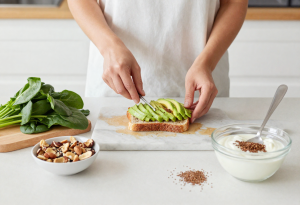
Foods That Support Hormone Balance
Hormone changes after menopause can affect libido, energy, and overall well-being. While food won’t “fix” hormones, certain nutrients may help support more stable hormone function over time.
Here are 5 foods that may help support hormone balance:
1. Avocado (Healthy Fats for Hormones & Fullness)
Avocados are rich in healthy fats that support hormone production and help you feel satisfied after meals.
How to actually eat it:
- Add to wholegrain toast with eggs for breakfast
- Slice into salads or wraps
- Mash with lemon as a simple spread
How much is enough (without overdoing it):
- Stick to ¼ to ½ an avocado per day
- More isn’t better — it’s calorie-dense
Worried about bread?
- Wholegrain or sourdough is fine in moderation
- Pairing carbs with fats + protein actually helps keep you full longer
2. Olive Oil (Supports Hormones & Heart Health)
Olive oil is a staple healthy fat that supports overall hormone function and reduces inflammation.
How to use it:
- Drizzle over salads or vegetables
- Use for light cooking (like sautéing)
- Add to roasted vegetables
How much to use:
- Aim for 1–2 tablespoons per day
- Easy to overpour, so measure if needed
Simple tip:
A small drizzle goes a long way — you don’t need to soak your food.
3. Nuts & Seeds (Zinc + Healthy Fats for Libido Support)
Nuts and seeds provide key nutrients like zinc, which plays a role in hormone balance and sexual health.
Easy ways to eat them:
- Add a small handful to yogurt
- Sprinkle on salads or oats
- Snack on them between meals
Portion guide:
- Small handful (about 28g) per day
- More than that can add up quickly in calories
4. Leafy Greens (Low-Calorie Hormone Support)
Leafy greens help support liver function, which is important for hormone balance.
What actually counts as leafy greens:
- Spinach
- Kale
- Rocket (arugula)
- Silverbeet
- Broccoli (technically a cruciferous veg, but still great here)
How to eat them:
- Add a handful to dinners (stir-fries, pasta, meals)
- Toss into salads or smoothies
- Lightly sauté with garlic and olive oil
Good news:
- Very low in calories, so you can eat these freely
5. Flaxseeds (Natural Support for Hormone Balance)
Flaxseeds are small seeds rich in fibre and plant compounds that may help support hormone balance.
What they are:
- Tiny brown or golden seeds (usually found in the health food aisle)
Important:
- Best eaten ground (not whole) so your body can absorb them
How to eat them:
- Add 1 tablespoon to smoothies
- Sprinkle over yogurt or oats
- Mix into baking or cereal
How much to have:
- Around 1 tablespoon per day is enough
Simple Ways to Start (Without Overthinking It)
You don’t need to overhaul your diet.
Start small:
- Add healthy fats in controlled portions
- Include leafy greens in at least one meal
- Sprinkle seeds or nuts into foods you already eat
These small changes are often enough to support both hormone health and weight management without feeling restrictive.
| Food | Recommended Portion | Calories (Approx) | Why It Matters |
|---|---|---|---|
| Avocado | ¼–½ avocado per serving | 80–160 kcal | Healthy fats support hormones but are calorie-dense |
| Olive Oil | 1 tablespoon | 120 kcal | Supports hormone production — easy to overuse |
| Nuts & Seeds | Small handful (20–30g) | 120–180 kcal | Provide healthy fats, zinc, and magnesium |
| Flaxseeds | 1–2 teaspoons (ground) | 25–50 kcal | Supports hormones and gut health |
| Leafy Greens | 1–2 cups | 20–40 kcal | Low-calorie, high-fibre, supports hormone balance |
Even healthy foods can slow weight loss if portions are too large. Keeping an eye on serving sizes helps you support your hormones without accidentally increasing calorie intake.
Frequently Asked Questions About Sex Drive After Menopause
What causes low sex drive after menopause?
A drop in estrogen and testosterone levels often causes low sex drive after menopause. These hormonal changes can affect libido, energy, mood, and vaginal comfort, all of which play a role in sexual desire.
Can certain foods really help improve sex drive?
Some foods may help support sex drive by improving blood flow, balancing hormones, and supporting overall energy levels. While they’re not a quick fix, nutrient-rich foods can play a supportive role in libido and overall well-being.
What are the best foods to eat for hormone balance after menopause?
Foods rich in healthy fats, antioxidants, and phytoestrogens are often beneficial. These include avocados, nuts, seeds, leafy greens, and foods like flaxseeds, which may help support hormonal balance naturally.
How long does it take for diet changes to affect libido?
Diet changes don’t work instantly, but many women notice improvements in energy, mood, and overall well-being within a few weeks. Supporting hormone health consistently over time can have a positive effect on sex drive.
Are there other natural ways to improve sex drive after menopause?
Yes, alongside diet, regular exercise, stress management, good sleep, and staying hydrated can all help support libido. Addressing overall health often has a direct impact on sexual well-being.
According to the National Institute on Aging, menopause brings a natural decline in estrogen and testosterone levels, which can affect libido, energy, and sexual well-being in many women. These hormonal shifts are a normal part of aging but can vary widely from person to person.
The Office on Women’s Health explains that menopause symptoms and hormonal changes can influence sexual health, including changes in desire, comfort, and overall well-being, depending on lifestyle and overall health status.
The Mayo Clinic notes that maintaining a balanced, nutrient-rich diet during menopause may help support overall health, energy levels, and well-being, which can indirectly support sexual health and hormone balance.
