

Many women notice that during and after menopause, weight begins to collect more around the stomach, even when their diet or lifestyle hasn’t changed. This is often referred to as a “menopause belly,” and it can feel both frustrating and difficult to understand.
This shift isn’t simply about gaining weight — it’s linked to natural hormonal changes happening in the body, particularly the decline in oestrogen. These changes can affect how fat is stored, slow metabolism, and influence energy levels, making the midsection more prone to fat accumulation over time.
The good news is that this is a common and well-understood process, and there are realistic ways to manage it without extreme dieting or restriction. In this article, we’ll explore what menopause belly is, why it happens, and simple strategies that can help reduce it naturally.
What Is Menopause Belly?
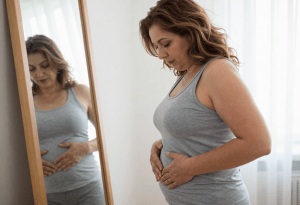
A “menopause belly” is a common term used to describe the gradual increase in fat storage around the abdominal area during and after menopause.
It’s not simply overall weight gain. Instead, it refers to a change in how and where the body stores fat — with more shifting toward the stomach rather than the hips, thighs, or lower body.
This happens because hormone levels, especially oestrogen, begin to decline during menopause. Oestrogen plays an important role in regulating fat distribution, metabolism, and how efficiently the body uses energy. When levels drop, the body naturally becomes more likely to store fat around the midsection.
At the same time, metabolism slows with age, meaning the body burns fewer calories at rest than it used to. Even if eating habits stay exactly the same, this can lead to gradual changes in body composition over time.
Many women also notice that this change can feel quite sudden — clothes may feel tighter around the waist, or the stomach area may feel softer or more prominent, even without a large change on the scales.
The important thing to understand is that menopause belly is a normal biological change. It is not a sign of poor discipline, and it is something many women experience as part of the natural hormonal transition.
Why Menopause Causes Belly Fat
Menopause belly doesn’t happen because of one single factor. It’s usually the result of several changes happening in the body at the same time, including hormones, metabolism, stress, and muscle loss. Together, these shifts can make the midsection more likely to store fat, even without major lifestyle changes.
Hormonal Changes (Oestrogen Decline)
One of the biggest drivers of menopause belly is the natural drop in oestrogen levels.
Oestrogen helps regulate where fat is stored in the body. Before menopause, fat is more commonly stored around the hips and thighs. As oestrogen levels fall, the body tends to shift fat storage toward the abdomen instead.
This change is not something you can control through diet alone — it is a biological response to lower hormone levels.
Slower Metabolism
As we age, metabolism naturally begins to slow down. This means the body burns fewer calories at rest compared to earlier years.
A key reason for this is the gradual loss of muscle mass, which plays an important role in calorie burning. Even if your eating habits stay the same, a slower metabolism can lead to gradual fat gain over time, particularly around the stomach area.
Increased Insulin Resistance
During and after menopause, the body can become less efficient at processing carbohydrates and regulating blood sugar.
When insulin sensitivity decreases, the body is more likely to store excess energy as fat, and the abdominal area is often where this fat is stored.
This is why some women notice increased cravings, energy crashes, or more stubborn belly fat even without major dietary changes.

Stress and Cortisol
Stress levels can also play a major role in menopause belly.
When the body is under stress, it produces more cortisol — a hormone linked to increased fat storage around the abdomen. This effect can become more noticeable during menopause, when sleep changes, mood shifts, and daily stress can all increase.
Over time, consistently elevated cortisol levels can make belly fat harder to lose.
Loss of Muscle Mass
As we age, it becomes easier to lose muscle if we are not actively maintaining it through strength or resistance activity.
Since muscle helps burn energy, a reduction in muscle mass means the body naturally burns fewer calories each day. This can contribute to a slower metabolism and increased fat storage, particularly around the midsection.
Signs Your Weight Gain Is Hormonal
Not all weight gain during menopause is simply related to diet or activity levels. In many cases, it’s driven by internal hormonal changes that affect how the body stores fat, regulates appetite, and manages energy.
If your weight gain is hormone-related, it often feels different from typical weight changes earlier in life. You may notice patterns that don’t seem to match your eating or exercise habits.
Belly-focused fat gain
One of the most common signs is weight gain around the stomach, even if other areas of the body stay relatively the same.
This shift is closely linked to declining oestrogen levels, which influence fat distribution. Instead of being stored evenly across the body, fat is more likely to settle around the abdomen.
Increased hunger or cravings
Hormonal changes can affect appetite-regulating hormones, making you feel hungrier than usual or more prone to cravings — especially for sugary or high-carbohydrate foods.
This isn’t a lack of willpower. It’s often the body responding to changes in blood sugar regulation and hormone balance.
Low energy levels
Many women experiencing hormonal weight gain also report feeling more tired than usual.
This can be linked to changes in metabolism, blood sugar stability, and sleep quality — all of which are influenced during menopause.
When energy is lower, the body naturally moves less, which can further contribute to weight gain over time.
Poor sleep quality
Sleep disruptions are very common during menopause and can also play a role in weight changes.
Poor sleep affects hunger hormones and stress hormones, which can increase appetite and make fat loss more difficult — particularly around the midsection.
Slower or “stubborn” weight changes
Another common sign is that weight becomes harder to lose, even when you make changes to your diet or activity.
This doesn’t mean your body isn’t responding — it often means hormonal shifts are influencing how efficiently your body uses and stores energy.

How to Reduce Menopause Belly Naturally
Reducing menopause belly isn’t about extreme dieting or cutting out entire food groups. Instead, it’s about supporting the body through hormonal changes with consistent, realistic habits that improve metabolism, balance blood sugar, and reduce stress-related fat storage.
The goal is not quick fixes, but steady changes that the body can respond to over time.
Focus on Protein and Fibre
Protein and fibre play a key role in supporting weight management during menopause.
Protein helps maintain muscle mass, which is important for keeping metabolism active. Fibre helps regulate digestion and blood sugar levels, which can reduce cravings and prevent energy crashes.
Simple ways to include more:
- Add protein to every meal (eggs, chicken, fish, Greek yoghurt, tofu)
- Include fibre-rich foods like vegetables, oats, lentils, and beans
- Combine protein + fibre to stay fuller for longer
Add Strength Training
One of the most effective ways to reduce menopause belly is to maintain or rebuild muscle mass.
Strength training helps increase metabolism and improves how the body uses energy, even at rest. It doesn’t need to be intense or complicated.
Start with:
- Bodyweight exercises (squats, wall push-ups, lunges)
- Light weights or resistance bands
- 2–3 short sessions per week
Even small amounts of strength training can make a noticeable difference over time.
Manage Stress Levels
Stress plays a direct role in belly fat due to the hormone cortisol.
When stress levels stay high, the body is more likely to store fat around the abdomen. Managing stress helps reduce this effect and supports overall hormone balance.
Helpful approaches include:
- Walking daily
- Deep breathing or short mindfulness breaks
- Prioritising downtime in the evening
- Avoiding overstimulation before bed
Improve Sleep Quality
Poor sleep can increase hunger hormones and make it harder for the body to regulate appetite and energy.
Improving sleep quality can support weight balance and reduce cravings.
Try:
- Keeping a consistent sleep schedule
- Reducing screen time before bed
- Creating a cool, dark sleeping environment
- Avoiding caffeine late in the day
Reduce Sugar and Highly Processed Foods
You don’t need to eliminate these foods completely, but reducing them can help stabilise blood sugar and reduce fat storage around the midsection.
Instead of cutting everything out, focus on:
- Swapping sugary snacks for protein-based options
- Choosing whole foods most of the time
- Reducing hidden sugars in packaged foods

Simple Daily Habits That Make a Difference
When it comes to menopause belly, it’s often not one big change that makes the difference — it’s the small, consistent habits repeated every day. These habits help support hormones, metabolism, and energy levels without feeling restrictive or overwhelming.
The key is not perfection, but consistency.
Walk daily (even short walks count)
Walking is one of the simplest yet most effective habits for supporting fat loss during menopause.
It helps regulate blood sugar, supports digestion, and reduces stress — all of which are linked to belly fat storage.
Even a 20–30 minute walk each day can make a noticeable difference over time.
Eat consistently throughout the day
Skipping meals or long gaps between eating can lead to blood sugar dips, which often trigger cravings and energy crashes later on.
Instead, aim for balanced meals that include protein, fibre, and healthy fats to keep energy stable.
This helps reduce overeating later in the day and supports hormone balance.
Stay hydrated (more important than it seems)
Dehydration can sometimes feel like hunger, leading to unnecessary snacking.
Drinking enough water supports digestion, energy levels, and metabolism.
A simple habit is to keep a water bottle nearby and sip regularly throughout the day.
Don’t over-restrict food
One of the biggest mistakes during menopause is trying to “eat as little as possible.”
Over-restriction can slow metabolism, increase cravings, and make it harder to maintain healthy habits long-term.
Instead, focus on adding nourishing foods rather than cutting everything out.
Prioritise stress recovery moments
Stress doesn’t just affect mood — it also influences how the body stores fat, especially around the stomach.
Small daily recovery habits can help reduce this impact:
- 5 minutes of deep breathing
- Sitting outside in natural light
- Taking breaks away from screens
- Gentle stretching in the evening
These small resets help bring the body out of “stress mode.”

Simple Takeaway
You don’t need extreme diets or complicated routines to support menopause belly changes.
The most effective approach is small, consistent habits that help your body adjust to hormonal shifts over time.
Start with simple foundations:
- Focus on balanced meals with protein, fibre, and healthy fats
- Stay active with daily walking and light strength work
- Support your body with better sleep and stress management
- Avoid over-restricting food, and aim for consistency instead of perfection
These changes may feel small on their own, but together they can make a real difference to energy levels, body composition, and overall well-being during and after menopause.
The goal isn’t to “fight” your body — it’s to support it through this transition in a way that feels realistic, sustainable, and long-term.

FAQ: Menopause Belly and Weight Changes
What is menopause belly?
Menopause belly is a common term used to describe increased fat storage around the stomach during and after menopause. It’s mainly linked to hormonal changes, especially a drop in oestrogen, along with slower metabolism and changes in how the body stores fat.
Why does belly fat increase during menopause?
During menopause, lower oestrogen levels shift fat storage from the hips and thighs to the abdominal area. At the same time, metabolism naturally slows, and stress levels may increase, all of which can contribute to weight gain around the midsection.
Can a menopause belly be reversed?
It may not be “reversed” quickly, but it can absolutely be reduced over time. A combination of strength training, balanced nutrition, daily movement, better sleep, and stress management can all help reduce abdominal fat gradually.
What foods help reduce menopause belly?
Foods that support hormone balance and weight management include protein-rich foods (eggs, chicken, fish, Greek yoghurt), high-fibre foods (vegetables, oats, legumes), and healthy fats (avocado, olive oil, nuts, seeds). These help stabilise blood sugar and support metabolism.
Does exercise help with menopause belly?
Yes. In particular, strength training and regular walking are highly effective. Strength training helps maintain muscle mass (which supports metabolism), while walking helps reduce stress and improve fat metabolism.
Why is menopause belly so hard to lose?
It’s harder to lose because multiple factors are working together — hormonal changes, slower metabolism, increased stress hormones, and loss of muscle mass. This is why lifestyle consistency matters more than quick fixes.
Is menopause weight gain normal?
Yes. Weight gain during menopause is very common and does not reflect poor diet or lack of discipline. It is largely driven by natural hormonal and metabolic changes that occur with age.
Final Thoughts
Menopause belly is a very common part of the hormonal changes that happen during and after menopause. It’s not simply about eating more or losing control — it’s largely driven by shifts in oestrogen levels, metabolism changes, stress hormones, and how the body naturally redistributes fat over time.
As outlined by the NHS, menopause can lead to a range of physical changes, including weight gain around the midsection, due to hormonal fluctuations and ageing-related metabolic slowdown.
Research from the Mayo Clinic also highlights that these changes are common and often linked to both hormonal decline and reduced muscle mass, which affects how efficiently the body burns energy.
The Cleveland Clinic further notes that fat distribution tends to shift toward the abdomen after menopause, even in women who maintain similar diets and activity levels.
The important takeaway is that this is a natural biological transition — not a reflection of discipline or effort. With consistent lifestyle habits such as balanced nutrition, daily movement, strength training, and stress management, it is possible to support your body through these changes in a healthy and sustainable way.
