
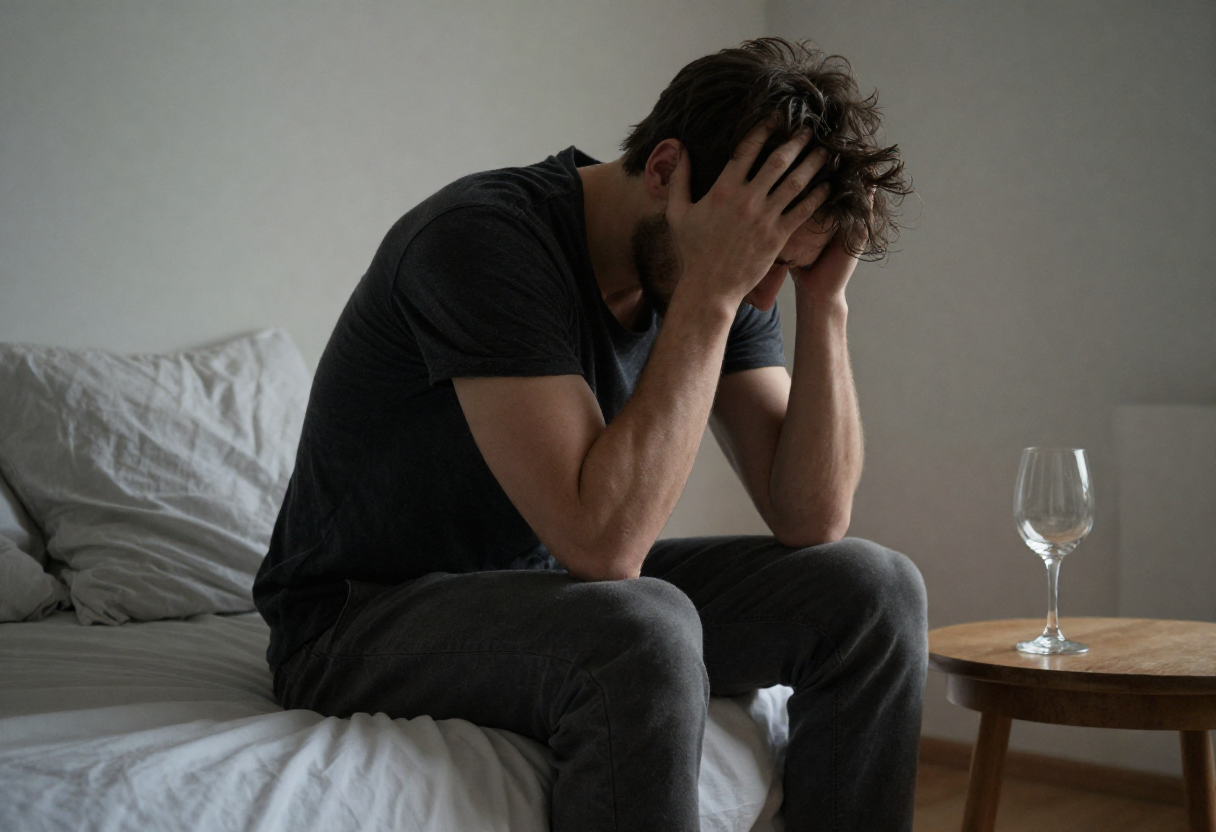
Most people assume alcohol helps them sleep because it can make you feel relaxed and drowsy at first. But if you’ve ever woken up feeling drained, foggy, or more tired than before you went to bed, you’ve experienced something very different happening in your body.
The truth is, alcohol can interfere with your sleep quality in ways you might not notice right away. While it may help you fall asleep faster, it often disrupts the deeper stages of sleep that are responsible for real recovery and energy restoration. This is one of the main reasons why alcohol makes you tired, even when it initially feels calming.
Over time, this can lead to ongoing fatigue, especially if drinking becomes a regular habit. Many people don’t realise that their daily tiredness may be connected to poor sleep patterns. For example, issues like slowing metabolism can also contribute to low energy levels and make recovery even harder. For more information on this, you can read our article on signs your metabolism is slowing down.
You may also notice that you feel tired even on nights when you don’t drink much. This is often because alcohol doesn’t just affect the night you drink — it can impact your sleep cycles and energy balance for hours afterwards. If you constantly feel exhausted, you may also want to explore our guide on why you feel tired all the time, which breaks down the most common underlying causes of fatigue.
Understanding this connection is important because many people mistake alcohol-induced drowsiness for good-quality sleep. In reality, your body may be getting less restorative rest than you think.

WHY ALCOHOL FEELS RELAXING AT FIRST
Alcohol can feel like it helps you unwind because it affects the central nervous system almost immediately. It increases the activity of a calming brain chemical called GABA, which slows brain activity and creates a temporary feeling of relaxation, reduced stress, and mild drowsiness.
This is why many people feel like a drink in the evening helps them “switch off.” In the short term, alcohol can:
✔ Temporary effects you may notice
- Feel more relaxed or calm
- Reduced stress or anxiety
- Sleepiness or drowsiness
- Less mental overthinking
However, this effect is misleading because it does not reflect how your body is actually recovering during sleep.
WHAT’S REALLY HAPPENING IN YOUR BODY
Here’s a simple breakdown of what you feel vs what is actually happening:
| What You Feel | What Your Body Is Doing |
|---|---|
| Relaxed and calm | Brain activity is being suppressed |
| Easier to fall asleep | Sleep cycles are being disrupted |
| Less stress | REM sleep is reduced |
| Drowsy | The body is processing alcohol (stress on the liver) |
Even though you feel relaxed, your sleep quality is already being affected in the background. This is where the problem begins, especially when alcohol is used regularly as a way to unwind.
For more context on how alcohol impacts the body beyond sleep, you can also read our article on what alcohol does to your body and digestion, which explains how it affects multiple systems at once.
The key issue is that this initial “relaxed” feeling does not last. As alcohol is processed by the body, it begins to disrupt normal sleep cycles, which we’ll explore in the next section.
This short-term calming effect is closely linked to how alcohol impacts hormones, sleep, and sex drive over time, which you can read more about here: Alcohol and Sex Drive After 40
HOW ALCOHOL DISRUPTS SLEEP CYCLES
Although alcohol may help you fall asleep faster, it significantly disrupts the quality of your sleep once you are asleep. This is why many people wake up feeling tired even after spending a full night in bed.
Alcohol interferes with your natural sleep architecture, particularly the deeper stages of sleep that are essential for physical and mental recovery.
What alcohol does to your sleep
- Reduces REM sleep, which is important for memory, mood, and brain recovery
- Increases lighter stages of sleep instead of deep restorative sleep
- Causes more frequent night awakenings, even if you do not remember them
- Leads to earlier waking in the morning
- Contributes to dehydration, which can further disturb sleep quality
Simple breakdown of sleep disruption
| Sleep Stage | What normally happens | What alcohol does |
|---|---|---|
| Light sleep | The body begins resting and slowing down | Time spent in this stage increases |
| Deep sleep | Physical recovery and muscle repair occur | Significantly reduced |
| REM sleep | Brain processing, memory, and emotional regulation | Delayed and shortened |
Even though alcohol can create the feeling of “switching off,” the brain spends more time in lighter, less restorative sleep stages. This means the body does not fully recover overnight.
This is one of the main reasons people feel unusually tired the next day — it is not just about how long you sleep, but the quality of that sleep.
WHY YOU STILL FEEL TIRED EVEN AFTER A FULL NIGHT’S SLEEP
Even after sleeping for 7–8 hours, it is common to wake up feeling tired after drinking alcohol. This is not just about how long you slept, but how well your body actually recovered during that time.
Alcohol affects more than just sleep cycles. It also impacts hormones, hydration levels, and your body’s ability to restore energy overnight.
Key reasons you still feel tired the next day
- Poor sleep recovery
Even if you stayed asleep, your body may not have reached enough deep restorative sleep for full recovery. - Dehydration
Alcohol increases fluid loss, which can leave you feeling sluggish, headachy, and low in energy the next morning. - Blood sugar imbalance
Alcohol can cause blood sugar to drop overnight, which may contribute to morning fatigue and low alertness. - Hormonal disruption
Alcohol can interfere with cortisol (your stress and wake-up hormone), which affects how refreshed you feel in the morning. - Nervous system rebound effect
As alcohol wears off, the body can become more stimulated again, leading to lighter sleep in the second half of the night.
What this means in simple terms
| What do you think happened | What actually happened |
|---|---|
| “I slept all night” | Sleep quality was disrupted |
| “I should feel rested” | The body didn’t fully recover |
| “I just need more sleep” | Recovery systems were affected |
This combination is why alcohol can leave you feeling strangely tired, even when you appear to have had a full night’s sleep.
HOW ALCOHOL AFFECTS YOUR MORNING ENERGY LEVELS
Alcohol doesn’t just impact how you sleep — it also has a direct effect on how your body produces and uses energy the next morning. This is why many people feel slow, foggy, and unmotivated even after a full night in bed.
The main issue is that alcohol disrupts multiple systems in the body at the same time, including hydration, blood sugar regulation, and stress hormones. When these systems are out of balance, your natural morning energy rhythm is affected.
Why does your energy feel so low in the morning
- Dehydration slows physical energy production
Alcohol increases fluid loss, which reduces circulation efficiency and can make you feel weak or drained. - Blood sugar crashes reduce mental alertness
Overnight dips in glucose levels can leave you feeling shaky, foggy, or low in motivation. - Cortisol disruption affects your natural wake-up signal
Alcohol can blunt your morning cortisol rise, making it harder to feel awake and alert. - Brain fog from poor sleep quality
Even if you slept for hours, reduced REM sleep can affect focus, memory, and clarity. - Lingering alcohol byproducts
Your liver is still processing alcohol breakdown products, which can contribute to fatigue and sluggishness.
Simple breakdown of morning energy effects
| System affected | What alcohol does | How you feel |
|---|---|---|
| Hydration | Increases fluid loss | Tired, headache, low energy |
| Blood sugar | Causes overnight drops | Weak, foggy, unmotivated |
| Hormones | Disrupts cortisol rhythm | Hard to wake up |
| Brain function | Reduces REM sleep | Brain fog, poor focus |
This is why the morning after drinking often feels like a “slow start” — your body is not just recovering from sleep loss, but from multiple internal imbalances happening at once.
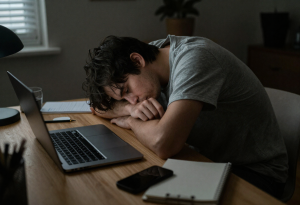
WHY EVEN MODERATE DRINKING AFFECTS YOUR ENERGY THE NEXT DAY
Even small or moderate amounts of alcohol can affect how you feel the next day. Many people assume that only heavy drinking leads to tiredness, but even a few drinks can still impact your energy, focus, and motivation.
This happens because alcohol doesn’t just affect sleep — it also influences how your brain and body regulate alertness and mental performance the following day.
How even moderate drinking affects you
- Reduced mental clarity
Even light drinking can affect concentration and make it harder to think clearly the next morning. - Lower motivation levels
Alcohol can reduce dopamine activity, which plays a role in motivation and drive. - Slower reaction time
Your brain processing speed may be reduced, making tasks feel harder or slower. - Subtle fatigue buildup
Even without a hangover, your body may still feel slightly drained. - Less productive morning routine
You may find it harder to start tasks or feel “switched on.”
Simple breakdown
| Amount of alcohol | Next-day effect |
|---|---|
| Light drinking | Mild brain fog, reduced motivation |
| Moderate drinking | Lower focus, slower thinking |
| More than moderate | Fatigue, low energy, poor productivity |
This is why even occasional drinking can affect your next-day performance — not just your sleep, but how your brain functions during the day.

FREQUENTLY ASKED QUESTIONS
Why does alcohol make me feel so tired?
Alcohol slows down the central nervous system, which can make you feel relaxed and sleepy at first. However, as your body processes it, sleep quality is reduced and this often leads to tiredness the next day.
Why do I wake up tired after drinking even if I slept enough?
Even if you sleep for 7–8 hours, alcohol reduces deep sleep and REM sleep. These stages are essential for recovery, so your body does not fully recharge overnight.
Does alcohol affect sleep quality or just sleep length?
Alcohol mainly affects sleep quality. It may help you fall asleep faster, but it disrupts normal sleep cycles, especially in the second half of the night.
Why do I feel more tired after moderate drinking?
Even moderate alcohol intake can reduce sleep quality, affect hydration, and lower next-day mental clarity. This can leave you feeling sluggish or low in energy.
Can alcohol cause fatigue the next day without a hangover?
Yes. Even without a full hangover, alcohol can still affect sleep depth, brain function, and energy regulation, leading to subtle but noticeable fatigue.
According to the Cleveland Clinic, alcohol can interfere with normal sleep cycles by reducing REM sleep and increasing sleep fragmentation, which often leads to feeling unrefreshed the next day.
The Sleep Foundation also notes that alcohol suppresses REM sleep and can worsen sleep quality overall, even in moderate amounts, contributing to next-day fatigue and brain fog.
