
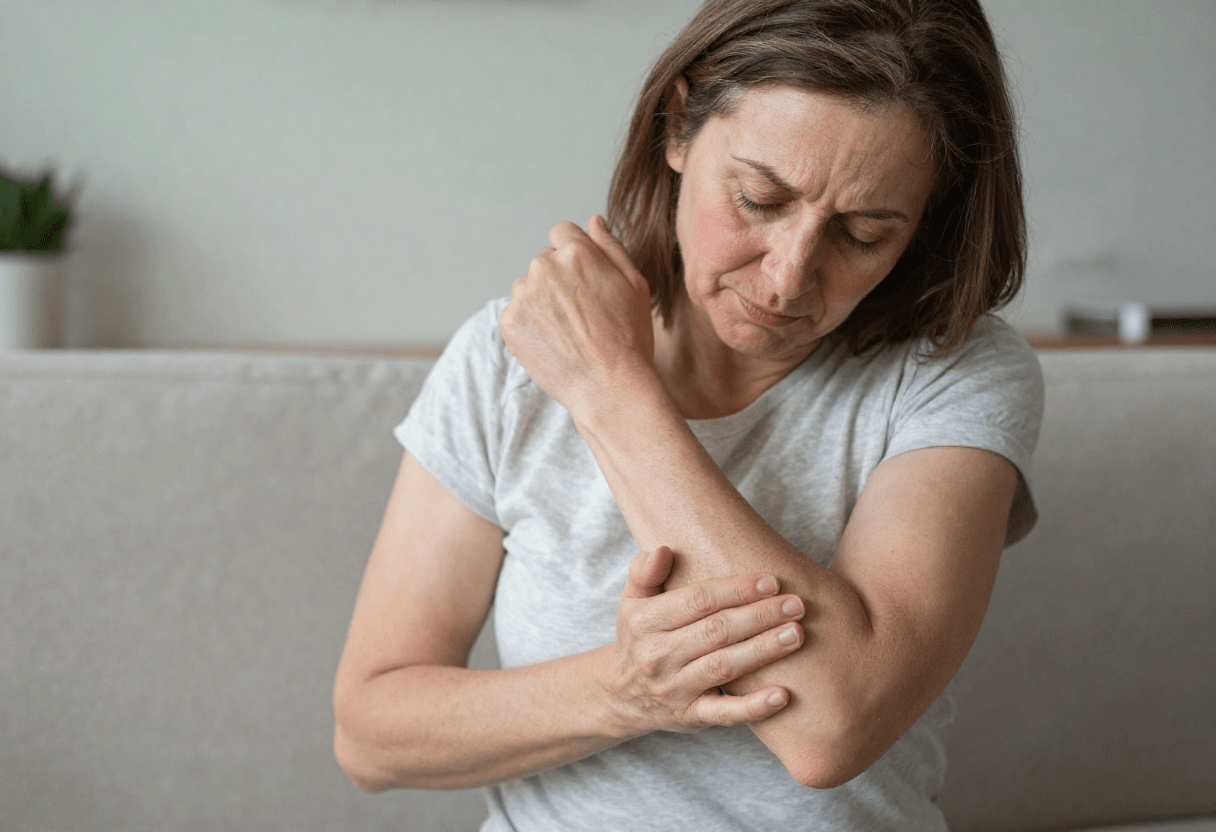
Many women experience unexpected menopause itching, and skin changes during and after menopause — and one of the most frustrating is persistent itching. It can feel like it comes out of nowhere, affecting the arms, legs, chest, or even the entire body, often without an obvious cause.
In some cases, it’s not just mild irritation — it can feel intense, uncomfortable, and even painful, especially when the skin becomes dry, sensitive, or inflamed.
In the past, some women even referred to this sensation as “the creepers” — a crawling, prickling feeling under the skin that can be difficult to describe but hard to ignore.
While it can feel alarming, this symptom is more common than people realise and is usually linked to internal changes happening in the body rather than a serious skin condition.
As hormone levels shift, particularly oestrogen, the skin becomes thinner, drier, and more sensitive. This can lead to irritation, redness, and that persistent urge to scratch — even when there’s no visible rash.
The good news is that once you understand what’s causing menopause-related itching, there are simple and effective ways to manage it. In this article, we’ll explain why it happens, the key signs to look for, and what you can do to soothe your skin and reduce the discomfort.
What Is Menopause Itching (and Why It Happens)
Menopause itching is a common symptom that many women experience during perimenopause and after menopause, where the skin becomes increasingly dry, sensitive, and prone to irritation. It can range from mild discomfort to more intense itching that feels persistent or difficult to ignore.
This happens mainly due to hormonal changes, especially the decline in oestrogen, which directly affects the skin’s ability to stay hydrated and protected.
As oestrogen levels drop, the skin produces less natural oil, becomes thinner over time, and loses moisture more quickly. This can make the skin feel tight, dry, or irritated even without a visible rash.
At the same time, reduced oestrogen weakens the skin’s protective barrier. This makes it more reactive to everyday triggers such as heat, clothing friction, showers, or stress.
During perimenopause, fluctuating hormone levels can also make symptoms unpredictable, meaning itching may come and go rather than stay constant.
In some cases, hormonal changes can increase skin sensitivity, making normal sensations feel more intense or irritating than before.
How to Stop Menopause Itching Naturally
Menopause itching can feel frustrating and sometimes overwhelming, but there are several practical ways to reduce irritation and support healthier, more comfortable skin. The goal isn’t to “fix overnight,” but to calm the skin, rebuild moisture, and reduce triggers that make symptoms worse.
1. Rebuild skin moisture daily
As oestrogen declines, the skin naturally loses its ability to retain moisture. This makes consistent hydration one of the most important steps.
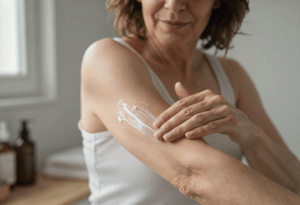
Use a fragrance-free moisturiser twice daily, especially after showering when the skin is still slightly damp. Ingredients like ceramides, hyaluronic acid, and glycerin help restore the skin barrier and lock in moisture.
Avoid heavily scented lotions or alcohol-based products, as these can worsen irritation.
2. Switch to gentle, skin-friendly products
Harsh soaps, hot showers, and fragranced body washes can strip the skin further and intensify itching.
Opt for:
- Mild, fragrance-free cleansers
- Lukewarm showers instead of hot water
- Soft towels (pat skin dry instead of rubbing)
This reduces unnecessary irritation and helps the skin recover faster.
3. Support the skin from within
Skin health is also influenced by internal nutrition. During menopause, the body benefits from nutrients that support elasticity and hydration.
Focus on:
- Omega-3 fats (salmon, chia seeds, walnuts)
- Vitamin E-rich foods (avocado, almonds, spinach)
- Plenty of water throughout the day
These help reduce dryness and support skin repair.
4. Avoid common triggers (including alcohol)
Certain everyday factors can make itching worse without you realising it.
Try to limit:
- Synthetic, tight clothing that traps heat
- Overheating at night
- Long hot baths or showers
- Stress spikes (which can increase skin sensitivity)
Alcohol can also make symptoms worse. It acts as a vasodilator, meaning it widens blood vessels and increases blood flow to the skin. This can trigger flushing, warmth, and itching sensations.
Alcohol can also:
- Dehydrate the skin, making dryness and irritation worse
- Disrupt sleep, which reduces skin repair overnight
- Increase histamine release, which can trigger itching or flare-ups in sensitive skin
Even small amounts can make some women notice more intense symptoms during perimenopause and menopause.
5. Calm flare-ups quickly
When itching flares up, the focus should be on soothing rather than scratching, which can further irritate the skin.
Helpful options include:
- Cool compress on the affected area
- Aloe vera gel (pure, fragrance-free)
- Light moisturising immediately after cooling the skin
Simple takeaway
Menopause itching improves most when you consistently protect the skin barrier, reduce irritation triggers, and support hydration from both inside and out. Small daily changes are often more effective than one-off treatments.

Lifestyle Triggers That Make Menopause Itching Worse
Menopause itching doesn’t just happen randomly — in many women, it flares up because of everyday triggers that make the skin more reactive and sensitive.
One of the biggest contributors is heat and sweating. As oestrogen levels drop, the body struggles more with temperature regulation. This can lead to sudden hot flushes, overheating, and sweating, which irritates already-dry skin and intensifies itching.
Another common trigger is stress. When stress hormones like cortisol rise, the nervous system becomes more reactive. This can amplify the sensation of itching, making it feel stronger even when there’s no visible skin issue.
Alcohol can also make symptoms worse. It widens blood vessels, dehydrates the skin, and can trigger histamine release — all of which can intensify itching and redness in sensitive skin during menopause.
Finally, synthetic fabrics, tight clothing, and harsh detergents can rub against thinner menopausal skin and create irritation that feels much worse than it used to.
The key point is that menopause itching is often a combination of hormonal change + external triggers — and identifying what flares it up for you personally can make a huge difference.
How to Soothe Menopause Itching Quickly (Immediate Relief + Daily Care)
When menopause itching flares up, it can feel intense, sudden, and difficult to ignore. The good news is that there are ways to calm the skin quickly while also preventing further irritation throughout the day.
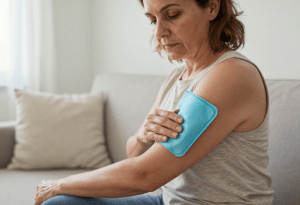
One of the fastest ways to relieve itching is to cool the skin. A cool compress or a quick cool shower can help reduce inflammation and temporarily calm the nerve response that triggers the itch–scratch cycle. Avoid hot water, as it can make dryness and irritation worse.
Applying a fragrance-free moisturiser immediately after bathing helps lock in hydration. Look for thicker creams or ointments rather than light lotions, as they create a protective barrier that soothes dry, sensitive skin.
Loose, breathable fabrics such as cotton can also make a noticeable difference. Tight clothing and synthetic materials trap heat and friction against the skin, which can intensify itching throughout the day.
If itching is particularly uncomfortable at night, keeping the bedroom cool and using light bedding can help reduce flare-ups while you sleep.
In some cases, over-the-counter antihistamines or gentle hydrocortisone creams may provide short-term relief, but these should only be used occasionally and not relied on long-term without medical advice.
The key is to calm the skin first, then support it consistently so flare-ups become less frequent over time.

Simple Daily Habits That Reduce Flare-Ups Over Time
Once menopause itching starts, the goal isn’t just short-term relief — it’s reducing how often it comes back and how intense it feels. This comes down to a few small daily patterns that support the skin and nervous system long-term.
Keeping showers short and lukewarm helps protect the skin’s natural barrier. Hot water can strip oils and leave skin more reactive, which often leads to more frequent itching later in the day.
What you wear also matters more than most people realise. Tight or synthetic clothing can trap heat and irritate sensitive skin, especially during perimenopause when temperature regulation is already changing. Loose, breathable fabrics like cotton can make a noticeable difference.
Stress is another overlooked trigger. When stress levels rise, the body releases chemicals that can increase skin sensitivity and make itching feel more intense. Even small daily resets — like walking, stretching, or quiet time — can help calm the nervous system.
Finally, consistency is what makes the biggest difference. Menopause-related skin changes don’t improve overnight, but steady routines reduce flare frequency over time.

Frequently Asked Questions About Menopause Itching
Is itching a normal symptom of menopause?
Yes. Itching is a common but often under-discussed symptom of menopause and perimenopause. It’s mainly linked to falling oestrogen levels, which can cause the skin to become drier, thinner, and more sensitive than before.
Can menopause itching affect the whole body or just certain areas?
It can affect almost anywhere on the body, but many women notice it most on the arms, legs, chest, back, and sometimes the scalp or intimate areas. The intensity can vary from mild irritation to more persistent, uncomfortable itching.
Why does menopause itching sometimes feel worse at night?
It often feels worse at night because the body’s temperature naturally rises slightly, and there are fewer distractions. Stress and fatigue at the end of the day can also make the sensation feel more noticeable.
Can stress make menopause itching worse?
Yes. Stress can increase inflammation and heighten skin sensitivity, which may intensify itching. This is why relaxation routines and sleep quality can play a role in managing symptoms.
Does menopause itching go away?
For many women, symptoms improve over time as the body adjusts, but it can persist if skin dryness and hormonal changes continue. The good news is that symptoms can usually be managed effectively with consistent lifestyle and skin-care changes.
When should I see a doctor about itching?
If the itching is severe, persistent, or affecting your sleep and quality of life, it’s important to speak to a healthcare professional. They can check for other causes and discuss treatment options if needed.
According to the Mayo Clinic, hormonal changes during menopause and perimenopause — particularly the decline in oestrogen — can affect how the skin retains moisture, repairs itself, and responds to irritation. This is one of the reasons many women experience increased dryness, sensitivity, and itching during this stage of life.
Research from the NHS also highlights that fluctuating hormone levels can contribute to changes in skin barrier function and increased discomfort, especially in areas where the skin is thinner or more sensitive. These changes are a normal part of the menopausal transition, even though the intensity can vary from person to person.
While symptoms like itching can feel alarming or frustrating, they are widely recognised as part of hormonal skin changes during this stage of life rather than a separate skin condition in most cases.
