
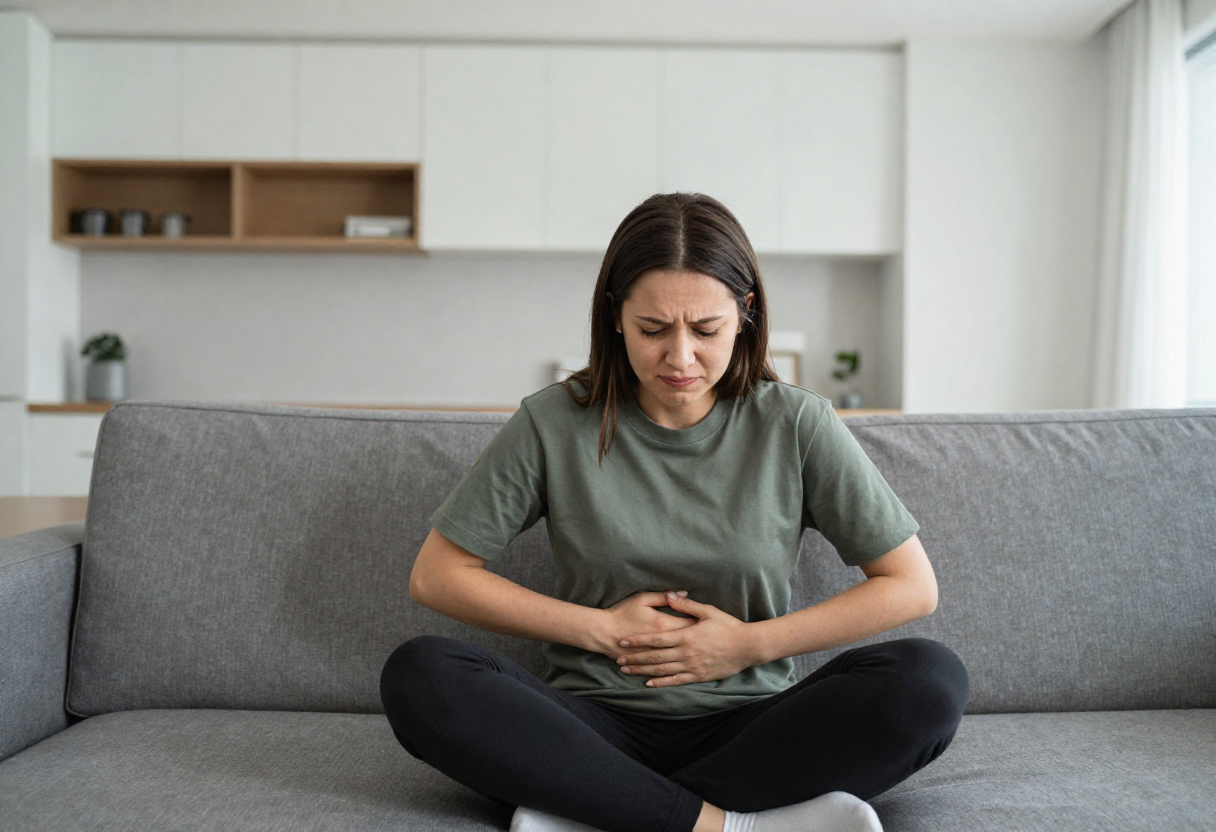
The signs your gut health is poor can appear in both digestive and non-digestive symptoms, often developing gradually over time.
Gut health refers to the balance of bacteria in the digestive system and how effectively the gut functions in digestion, nutrient absorption, and immune support.
When this balance is disrupted, it can affect multiple areas of health, including energy levels, digestion, appetite, and skin.

Common Signs Your Gut Health Is Poor
There are several signs your gut health is poor that can affect digestion and overall health. These symptoms often develop gradually and may become more noticeable over time.
Common digestive symptoms include:
- Bloating, especially after meals
- Excess gas
- Constipation or diarrhoea
- Stomach discomfort or cramping
- Irregular bowel movements
Gut imbalance can also affect energy levels and cognitive function, including:
- Ongoing fatigue or low energy
- Brain fog or difficulty concentrating
Changes in appetite and food response may also occur:
- Strong cravings for sugar or processed foods
- Feeling unwell after certain foods
- Reduced or inconsistent appetite
In some cases, skin and immune-related changes may also appear:
- Skin breakouts or irritation
- Eczema flare-ups
- Getting sick more frequently

What Causes Poor Gut Health
Poor gut health can develop due to diet, lifestyle, and medical factors. These influences can disrupt the balance of bacteria in the gut and affect digestion, energy levels, and overall well-being.
Diet-related causes of poor gut health
Diet is one of the most important factors influencing gut bacteria and digestive function. Certain eating patterns can reduce beneficial bacteria and increase inflammation in the gut.
Common diet patterns linked to poor gut health
| Diet factor | How it affects gut health |
|---|---|
| High processed food intake | Reduces beneficial gut bacteria and increases inflammation |
| Low fibre intake | Slows digestion and reduces regular bowel movements |
| High sugar intake | Feeds harmful bacteria and can disrupt microbiome balance |
| Excess alcohol intake | Irritates the gut lining and alters gut bacteria |
| Low variety in diet | Reduces the diversity of gut bacteria, weakening gut resilience |
Lifestyle factors
Daily habits also play a key role in gut function and bacterial balance.
- Chronic stress can alter gut motility and increase digestive symptoms
- Poor sleep affects gut bacteria diversity and digestion regulation
- Low physical activity can slow digestion and contribute to constipation
- Irregular meal timing may disrupt normal digestive rhythms
Medical and medication-related causes
Some medical conditions and treatments can also impact gut health.
- Antibiotics can reduce both harmful and beneficial gut bacteria
- Digestive conditions such as IBS may cause an ongoing imbalance
- Gut infections can temporarily disrupt microbiome stability
- Food intolerances may trigger inflammation and digestive symptoms

How Gut Health Affects the Whole Body
Gut health affects more than just digestion. When the balance of bacteria in the gut is disrupted, it can influence several systems in the body.
Digestive system
The gut is directly responsible for breaking down food and absorbing nutrients. When gut health is poor, digestion may not function efficiently.
- Bloating and gas may become more frequent
- Bowel movements may become irregular
- Nutrient absorption can be reduced
- Stomach discomfort may occur more often
Energy levels and metabolism
Gut bacteria play a role in how the body extracts energy from food. Poor gut health may contribute to changes in energy and metabolism.
- Ongoing fatigue or low energy levels
- Slower digestion affects energy availability
- Difficulty maintaining stable energy throughout the day
Brain and mood (gut-brain connection)
The gut communicates with the brain through the gut-brain axis, which can influence mood and cognitive function.
- Brain fog or difficulty concentrating
- Changes in mood or irritability
- Increased stress sensitivity
Immune system function
A large portion of the immune system is linked to the gut. When gut health is affected, the immune response may also change.
- Increased susceptibility to minor infections
- Slower recovery from illness
- Reduced immune balance over time

Frequently Asked Questions
What are the first signs of poor gut health?
Early signs of poor gut health often include bloating, excess gas, irregular bowel movements, fatigue, and food intolerances. Some people also notice skin issues or brain fog. These symptoms usually indicate an imbalance in gut bacteria or poor digestion.
Can gut health affect energy levels?
Yes. A large part of energy production is linked to gut function. When gut bacteria are imbalanced, nutrient absorption can be reduced, leading to tiredness, low motivation, and feeling drained even after rest.
Does poor gut health cause bloating every day?
Frequent bloating is one of the most common signs of poor gut health. It can be caused by slow digestion, food sensitivities, excess harmful bacteria, or low digestive enzyme activity.
How long does it take to improve gut health?
Improvements can begin within a few days to a few weeks, depending on diet and lifestyle changes. However, fully restoring gut balance can take several weeks to a few months, especially if symptoms have been long-term.
What foods help improve gut health?
Foods that support gut health include:
- Fermented foods (yoghurt, kefir, sauerkraut)
- High-fibre foods (vegetables, oats, legumes)
- Prebiotic foods (garlic, onions, bananas)
- Lean proteins and healthy fats
Gut health is closely linked to digestion, immune function, and overall well-being, and research shows that an imbalance in gut bacteria may contribute to ongoing digestive symptoms.
According to the Cleveland Clinic, the gut microbiome plays a key role in digestion, immune system support, and inflammation regulation, and disruptions in this balance may affect overall health:
The NHS provides general guidance on digestive health conditions and recommends speaking with a healthcare professional if symptoms such as bloating, pain, or changes in bowel habits persist:
