
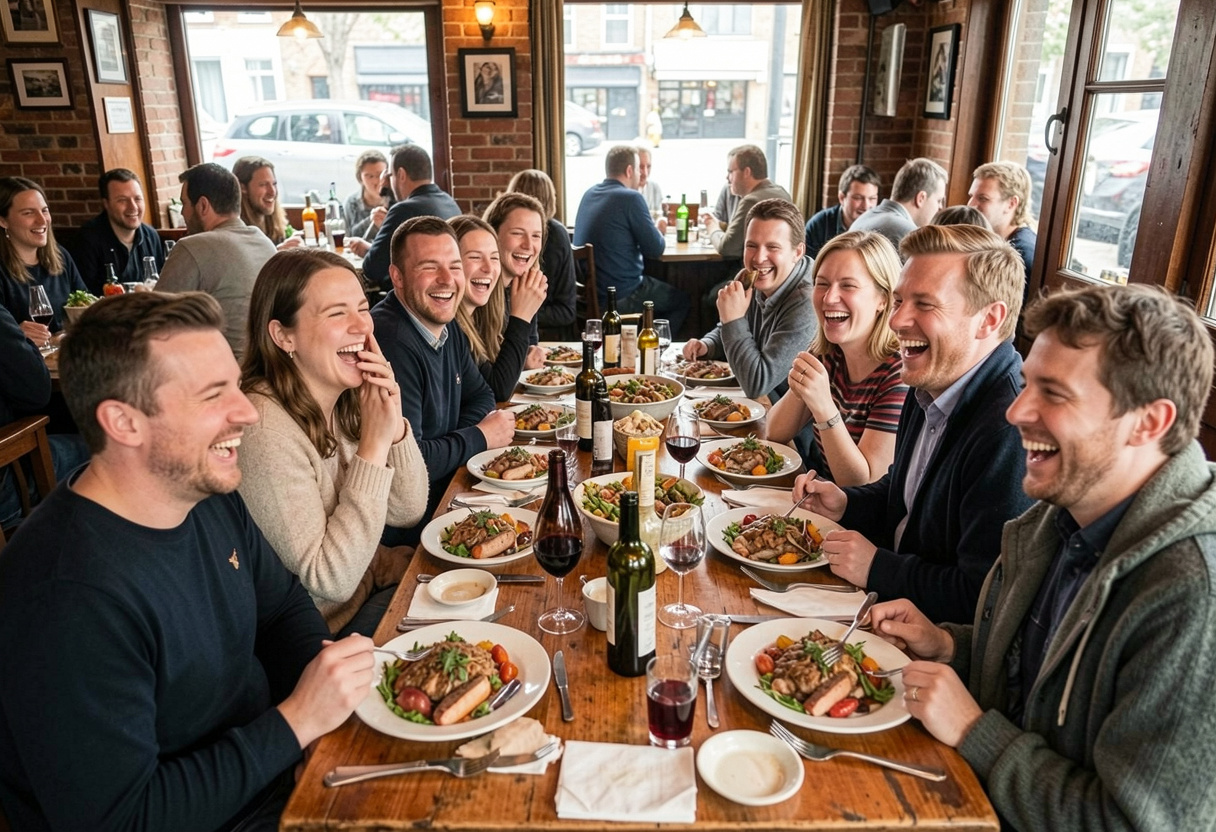
How to reduce bloating after a big meal is something many of us wonder about — especially after indulgent dinners, holiday feasts, or nights out at restaurants. Feeling heavy, sluggish, or uncomfortably full isn’t just unpleasant; it can interfere with sleep, energy, and even your next day’s appetite. Understanding why your body reacts this way and taking a few simple, science-backed steps can help your digestion get back on track quickly, easing bloating and discomfort without extreme detoxes or complicated routines.
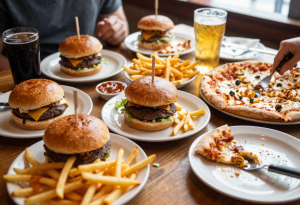
How Big Meals Affect Digestion
After a large meal, your digestive system slows down to process the extra food. The stomach stretches to accommodate the volume, which can trigger feelings of heaviness, pressure, or bloating. Digestion produces gas as food ferments, especially if the meal is high in carbohydrates, fibre, or fat. Combined with alcohol or carbonated drinks, this can leave you feeling sluggish and uncomfortable. Understanding these processes helps you take the right steps to ease digestion and reduce post-meal bloating.
Key Points:
- Stomach expansion signals fullness, but it can feel heavy
- Slower gastric emptying can cause pressure and bloating
- Gas and fermentation may increase discomfort
- Alcohol, carbonated drinks, and large portions amplify sluggishness

Hydration & Movement to Reduce Bloating
After a big meal, staying hydrated and moving gently can significantly reduce bloating and sluggishness. Water helps your digestive system process food efficiently and signals the body to release retained fluids. Gentle movement, like a slow walk or light stretching, encourages intestinal motility and helps gas move through rather than linger. Combining hydration with mild activity can prevent that heavy, uncomfortable feeling that often follows a large dinner.
Tips:
- Drink warm or room-temperature water: Sipping water throughout the evening supports digestion.
- Try herbal teas: Ginger, peppermint, or chamomile can relieve gas and calm the stomach.
- Take a gentle walk: 10–15 minutes of walking stimulates gut movement.
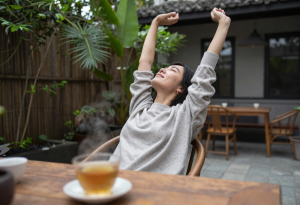
- Light stretching: Raising arms or side bends can relieve abdominal pressure.
Foods & Drinks That Ease Digestion
After a heavy meal, certain foods and drinks can help your digestive system recover more comfortably. These don’t “detox” you — they support normal gut function, reduce gas, and help your body release retained fluid naturally.
Options:
- Ginger tea: Helps the stomach empty more efficiently and supports intestinal movement.
- Peppermint tea: Relaxes digestive tract muscles, allowing gas to move freely.
- Fennel tea or seeds: Reduces gas formation and eases bloating after salty or fatty meals.
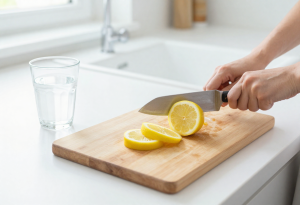
- Warm lemon water: Stimulates stomach acid and bile production for smoother digestion.
- Plain water or cucumber water: Hydrates the body, helping reduce puffiness and fluid retention.
Using one or two of these drinks after a large meal can make a noticeable difference in how heavy or bloated you feel. Pairing them with light movement or gentle stretching enhances their effectiveness.
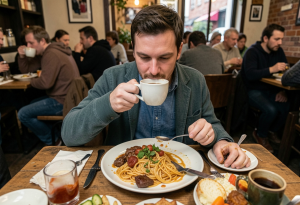
What to Avoid After a Heavy Meal
Certain habits and foods can make post-meal bloating and heaviness worse. Avoiding these can help your digestion recover more quickly:
Tips:
- Lying down immediately: Slows stomach emptying and can increase bloating.
- Coffee on an empty stomach: Can raise cortisol and irritate digestion.
- Sugary drinks or smoothies: Increase fermentation in the gut, worsening gas.
- Carbonated drinks: Add extra gas to an already sluggish digestive system.
- Overly strong “detox” teas: May overstimulate the gut and cause rebound bloating.
Being mindful of what you consume and your post-meal habits helps prevent the heavy, uncomfortable feeling that often lingers after indulgent dinners.
Longer-Term Habits for Better Dinner Recovery
Managing post-meal bloating isn’t just about what you do immediately after eating — your regular habits play a big role in how your body handles large meals. By making simple, consistent choices, you can reduce heaviness and discomfort over time.
Tips:
- Balanced meals: Include protein, fibre, and healthy fats to support slower, smoother digestion.
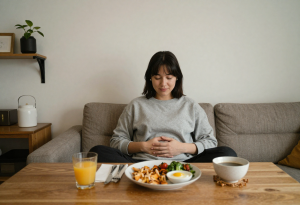
- Mindful eating: Eat slowly, chew thoroughly, and stop when you feel satisfied rather than full.
- Portion control: Avoid oversized plates and multiple courses if possible.
- Regular physical activity: Daily movement, even light walks, improves overall gut motility.
- Adequate sleep: Restorative sleep helps regulate hormones that affect digestion and fluid retention.
By adopting these longer-term strategies, your body becomes better at processing large meals naturally, reducing bloating and discomfort over time.
FAQ – Common Questions About Post-Meal Bloating
Q1: How long does bloating last after a big meal?
A: Most mild bloating resolves within 1–3 hours if you take gentle steps like walking, drinking water, or having herbal tea. Persistent bloating may indicate food sensitivities or digestive issues and should be discussed with a healthcare provider.
Q2: Can drinking water immediately after a meal help?
A: Yes, sipping water or herbal tea can aid digestion and help your body process food more efficiently, reducing heaviness and bloating. Avoid extremely cold or carbonated drinks immediately after eating.
Q3: Are certain foods worse for post-meal bloating?
A: High-fat, fried, and heavily processed foods, as well as carbonated drinks and excess sugar, can slow digestion and increase gas formation, making bloating worse.
Q4: Does alcohol contribute to bloating?
A: Alcohol can relax digestive muscles and increase fluid retention, which may lead to heaviness and puffiness after a large meal. Moderation and pacing drinks with food can help minimize these effects.
Q5: Can light activity really help?
A: Gentle movement like walking or stretching stimulates gut motility, helping food and gas move through your digestive system faster, which reduces bloating and discomfort.
Bloating after eating is a common digestive response that occurs when gas builds up in the abdomen or when digestion slows down. Harvard Health Publishing explains that bloating can feel like tightness or fullness in the belly and results when too much gas accumulates during digestion, especially after a large or heavy meal. They note that slowing down when eating and avoiding certain foods can help manage symptoms.
The Cleveland Clinic outlines common causes of a bloated stomach — including excess gas, overeating, and food intolerances — and recommends lifestyle strategies such as eating smaller portions, drinking water, and staying active to support digestion and reduce bloating
