

Tired but can’t fall asleep? You’re not alone. Many people feel exhausted at the end of the day, yet struggle to drift off, tossing and turning for hours. Understanding why this happens is the first step toward finally getting the restful sleep your body needs.
In this article, we’ll break down the most common reasons you can’t fall asleep, explain why you might still wake up tired even after a full night, and share practical strategies — from simple bedtime habits to lifestyle adjustments — that can help you fall asleep faster and wake up feeling refreshed.

Common Reasons You Can’t Fall Asleep
Even when your body is tired, several factors can make it hard to actually fall asleep. Stress, hormonal imbalances, late caffeine, heavy meals, and alcohol all play a role in keeping your mind and body alert at the wrong time.
One of the biggest culprits is cortisol, the body’s stress hormone. Elevated cortisol in the evening can make it difficult to relax and drift off. If you struggle with high evening stress levels, how to lower cortisol at night with simple evening rituals can help you calm your nervous system and prepare your body for sleep.
Other common reasons include:
- Screen time / blue light exposure: Devices like phones and TVs can trick your brain into thinking it’s daytime.
- Late caffeine or heavy meals: Stimulants and large dinners can interfere with digestion and sleep signals.
- Alcohol: While it may make you drowsy initially, it disrupts REM sleep and can leave you feeling tired the next morning.
- Irregular sleep schedules: Going to bed and waking up at inconsistent times confuses your circadian rhythm.
Tip: Tracking your evening habits can reveal patterns that are sabotaging your sleep, allowing you to make small adjustments that have a big impact.

Techniques to Fall Asleep Faster
If you’ve identified what’s keeping you awake, the next step is learning practical ways to help your body relax and drift off. Small changes in your evening routine can make a huge difference in how quickly you fall asleep.
Some effective techniques include:
- Breathing exercises: Deep, slow breathing helps signal to your body that it’s time to rest.
- Progressive muscle relaxation: Gently tensing and relaxing muscles from head to toe reduces tension.
- Mindfulness and meditation: Calms racing thoughts and lowers stress hormones.
- Gentle stretching: Light stretching before bed can ease muscle tightness and promote relaxation.
- Optimizing your bedroom environment: Keep your room cool, dark, and quiet to cue your body for sleep.
For a simple yet effective approach, stretching before bed can help relax your body and nervous system, making it easier to fall asleep naturally. Even 5–10 minutes of gentle stretches can significantly improve your ability to drift off.
Tip: Combine a calming routine with consistent bedtime habits for maximum effect — your body will start recognizing these cues and signal sleepiness more efficiently.

Why You Still Wake Up Tired
Even if you fall asleep, you might still wake up feeling groggy or unrefreshed. Poor sleep quality can sneak in even during seemingly “full nights” of rest. Factors that contribute include disrupted REM cycles, blood sugar fluctuations, hormonal imbalances, and lifestyle habits like alcohol consumption or inconsistent sleep schedules.
Persistent tiredness despite sleep can be a sign that your body isn’t getting the deep, restorative rest it needs. For a deeper look at common causes of ongoing fatigue and how your body signals it, check out Why You Feel Tired All the Time (And What Your Body Is Trying to Tell You). This article covers how sleep quality, stress, and other hidden factors contribute to feeling exhausted, even after a full night in bed.
Other factors to consider:
- Interrupted REM cycles: Can prevent restorative sleep.
- Alcohol or late meals: Disrupts natural sleep stages.
- Hormonal imbalances: Cortisol, melatonin, and other hormones can affect alertness.
Tip: If you consistently wake up tired, tracking your sleep patterns, evening habits, and lifestyle triggers can reveal what’s sabotaging your rest. Small adjustments can significantly improve your mornings.

How to Wake Up Refreshed
Waking up feeling energized isn’t just about how many hours you sleep — it’s about creating the right conditions for restorative rest and starting your morning in a way that supports your body.
Some strategies to help you wake up refreshed include:
- Consistent wake-up time: Keeping your schedule regular reinforces your circadian rhythm.
- Morning sunlight exposure: Natural light helps reset your internal clock and boosts alertness.
- Hydration: Drinking water first thing in the morning helps rehydrate your body and supports digestion.
- Gentle stretching or a short walk: Moving your body increases blood flow and helps shake off grogginess.
Hydration is a surprisingly powerful factor in morning energy. For tips on monitoring and improving hydration, see What Your Morning Pee Color Is Telling You About Your Hydration. Proper hydration overnight and in the morning can dramatically improve how alert and refreshed you feel.
Tip: Pairing consistent sleep timing with a simple morning routine sets your body up for better days, even if you had a restless night.
Evening Routine & Helpful Supplements
Adding small, supportive habits to your evening routine can make falling asleep easier and improve sleep quality. Relaxation techniques, such as gentle stretching, meditation, or a warm bath, help your body wind down and signal that it’s time for rest.
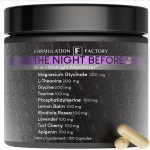
Some people also find that magnesium supplements, particularly magnesium glycinate, can support relaxation and muscle calmness. Magnesium plays a key role in the nervous system and can help reduce stress before bed, making it easier to fall asleep naturally.
If you’re looking for an easy option, you can check out this magnesium glycinate supplement — it’s gentle on digestion and well-absorbed, making it a convenient addition to your nighttime routine.
Tip: Supplements work best when combined with healthy evening habits. Focus on consistent bedtimes, limiting screens, and calming rituals, rather than relying solely on pills to fall asleep.

FAQ: Why You’re Tired But Can’t Fall Asleep
Q1: Why am I tired but can’t fall asleep?
Stress, irregular sleep schedules, late caffeine, heavy meals, alcohol, and screen time can all delay sleep onset, even when your body feels exhausted.
Q2: Can alcohol affect my sleep?
Yes. While alcohol may make you drowsy at first, it disrupts REM sleep and can cause grogginess in the morning.
Q3: How can I fall asleep faster naturally?
Try gentle stretching, breathing exercises, meditation, reducing screen time, and maintaining a consistent bedtime routine.
Q4: Why do I still wake up tired after a full night of sleep?
Interrupted sleep cycles, poor sleep quality, hormonal imbalances, or lifestyle factors like hydration and diet can all contribute to feeling unrefreshed.
Q5: Are supplements like magnesium effective for sleep?
Magnesium glycinate can help relax muscles and support calmness, but it works best combined with good sleep hygiene and evening routines.
According to the Sleep Foundation, factors like stress, irregular sleep schedules, and late caffeine or meals can delay sleep onset and reduce sleep quality. Medical News Today explains that alcohol, screen time, and hormonal imbalances also contribute to restless nights. Health Direct notes that consistent bedtime routines, a calm environment, and proper hydration significantly improve the ability to fall asleep and wake up refreshed.
