

Your body relies on water to keep almost every system running properly — from brain function and energy levels to digestion and temperature control. Even a small drop in hydration can start to affect how you feel.
The problem is that dehydration doesn’t usually begin with obvious symptoms. Most people don’t notice it straight away because the early signs are subtle and easy to mistake for something else, like tiredness, stress, or lack of sleep.
By the time stronger symptoms appear — such as dizziness, headaches, or very dark urine — your body has already been under pressure for some time.
Learning to recognise the early signs of dehydration can help you correct it quickly, before it starts affecting your energy, focus, and overall well-being.

What Happens in Your Body When You Become Dehydrated
When you become dehydrated, your body starts losing more fluid than it takes in. This affects how your system functions at a very basic level because water is essential for blood flow, temperature control, and energy production.
As fluid levels drop, your blood volume decreases slightly, which means your heart has to work harder to circulate oxygen and nutrients around the body. This can make you feel tired or low in energy even before you realise you are dehydrated.
Dehydration also affects the brain. Even mild fluid loss can impact concentration, memory, and mood. This is why people often experience brain fog or headaches during early dehydration.
Your body prioritises essential functions first, so it reduces efficiency in areas like digestion, skin hydration, and cognitive performance. This is also why early symptoms appear before you feel a strong thirst — your system is already adjusting internally.
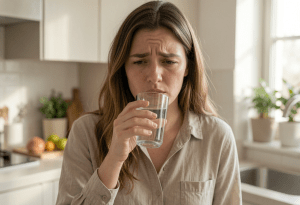
Early Signs of Dehydration (Subtle Symptoms)
Early dehydration doesn’t usually start with intense thirst. Instead, it shows up through small, easy-to-miss changes in how your body and mind feel throughout the day.
Common early signs include:
- Mild fatigue or low energy
You may feel unusually tired even after a full night’s sleep. This happens because dehydration can reduce circulation efficiency and make it harder for your body to deliver oxygen and nutrients effectively. - Headaches or brain fog
Even slight fluid loss can affect how your brain functions. You might notice a dull headache, slower thinking, or difficulty concentrating on simple tasks. - Dry mouth or sticky feeling
Your mouth may feel dry, uncomfortable, or slightly sticky. This is often one of the first physical signs that fluid levels are starting to drop. - Darker urine
Urine may become more concentrated and darker in colour. This is your body conserving water, but it can be an early warning that you need more fluids. - Reduced focus or mental fatigue
Everyday tasks may feel harder than usual. You might find it more difficult to stay alert, focused, or mentally sharp during the day.
These symptoms are often subtle at first, but they become more noticeable if hydration doesn’t improve.

Why You Don’t Always Feel Thirsty
One of the most confusing parts of dehydration is that your body doesn’t always trigger thirst at the right time. Many people assume thirst is an early warning system, but in reality, it’s often a delayed signal.
Thirst is controlled by the brain in response to changes in blood concentration and fluid balance. When dehydration is mild, these changes can be subtle, meaning the signal to drink water may not feel urgent or may not appear at all.
This becomes more noticeable when you are busy or distracted. Your brain can override or ignore thirst signals when attention is focused on work, stress, or daily routines, which allows dehydration to build quietly.
As we get older, this effect becomes stronger. The body’s thirst response naturally becomes less sensitive with age, which is one reason people over 40 may not feel thirsty even when their fluid levels are dropping.
Other factors can also interfere with thirst cues, including:
- High caffeine intake, which can mask hydration needs
- Stress, which can suppress normal body signals
- Habitual low water intake, where the body adapts to lower fluid levels
Because of this, dehydration often develops gradually without obvious warning signs, and symptoms like fatigue or headaches may appear before thirst does.

Common Causes of Early Dehydration
Early dehydration usually develops gradually and is often linked to everyday habits rather than obvious fluid loss. Many people don’t realise how small lifestyle factors can slowly reduce hydration levels throughout the day.
One of the most common causes is simply not drinking enough water. Busy routines, forgetfulness, or relying on thirst alone can all lead to consistently low fluid intake without noticing it.
Hot weather and sweating also play a major role. Even mild daily activities like walking, exercising, or spending time outdoors can increase fluid loss faster than expected, especially in warmer climates.
Drinks like coffee and alcohol can contribute as well. Caffeine and alcohol can have a mild diuretic effect, meaning they may increase fluid loss if they are not balanced with enough water intake.
Illness is another common factor. Conditions such as fever, colds, or mild infections can increase fluid needs, even when you don’t feel significantly unwell.
Finally, a busy or distracted lifestyle can make dehydration more likely. When you are focused on work, stress, or daily responsibilities, it’s easy to ignore hydration cues and go long periods without drinking water.
These everyday factors often overlap, making early dehydration more common than most people realise.
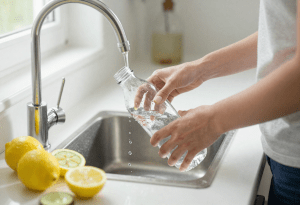
How to Prevent Early Dehydration
Preventing early dehydration is mostly about building simple, consistent habits rather than making big changes. Small daily actions can help keep fluid levels stable and reduce the chance of symptoms developing.
The most effective habit is drinking water regularly, not just when you feel thirsty. Sipping water throughout the day helps maintain steady hydration and prevents your body from slowly falling behind on fluid needs.
Including water-rich foods in your diet can also support hydration. Foods like cucumber, watermelon, oranges, and soups all contribute to your daily fluid intake in a natural way.
It’s also important to understand electrolyte balance, especially if you are active or sweat frequently. Electrolytes such as sodium and potassium help your body absorb and retain fluids more effectively.
Finally, try not to rely on thirst alone. Linking water intake to daily routines — such as meals, breaks, or waking up — can help you stay consistently hydrated without needing to think about it constantly.
Daily Hydration Guide (General Recommendations)
| Group | Suggested Daily Intake | Notes |
|---|---|---|
| Adult women | ~2.0–2.5 litres | Includes water + food fluids |
| Adult men | ~2.5–3.0 litres | Needs increase with activity |
| Active individuals | +0.5–1 litre extra | More if sweating or exercising |
| Hot climates | +0.5–1 litre extra | Heat increases fluid loss |
| Older adults (40+) | Regular intake throughout the day | Thirst may be less noticeable |
Hydration needs vary depending on body size, activity level, climate, and overall health. There is no single perfect amount for everyone, but consistency is more important than exact numbers. Drinking water regularly throughout the day is more effective than trying to “catch up” later.
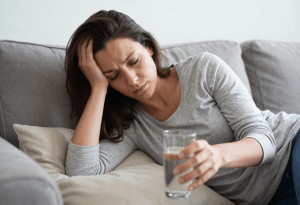
When Early Dehydration Becomes a Problem
Early dehydration is usually easy to correct, but it can become more serious if fluid loss continues without being addressed. The key difference is that symptoms start to move beyond mild discomfort and begin affecting normal daily functioning.
At this stage, you may notice stronger fatigue, dizziness, or persistent headaches that don’t improve after drinking water. Concentration may also become more difficult, and you might feel physically weaker than usual.
Another sign that dehydration is becoming more of a concern is very dark urine or reduced urination. This indicates your body is holding onto fluid to maintain essential functions.
If dehydration continues, it can progress to more noticeable symptoms such as increased heart rate, dry skin, or feeling lightheaded when standing up quickly. These are signs that the body is under more stress and trying to compensate for low fluid levels.
If symptoms are severe or don’t improve with increased fluid intake, it’s important to seek medical advice, especially if there are underlying health conditions or ongoing illness.
For more advanced symptoms and what to do next, you can read:
👉 10 Signs of Dehydration and What to Do
FAQ Section
What are the first signs of dehydration?
The first signs of dehydration are usually mild and easy to miss. They include fatigue, headaches, dry mouth, darker urine, and reduced concentration. These symptoms often appear before strong thirst develops.
Can you be dehydrated without feeling thirsty?
Yes. Thirst is often a delayed signal, meaning you can already be mildly dehydrated before you feel the urge to drink. This is more common in older adults and people who are busy or distracted.
What does early dehydration feel like?
Early dehydration often feels like low energy, mental fog, mild headache, and difficulty focusing. Some people also notice a dry mouth or feeling slightly “off” without a clear reason.
How quickly can dehydration start?
Dehydration can begin within a few hours if fluid intake is low, especially in hot weather, during exercise, or when losing fluids through sweating or illness. It can develop gradually without obvious warning signs.
When should I worry about dehydration?
You should be concerned if symptoms become more severe, such as dizziness, very dark urine, confusion, or persistent fatigue that doesn’t improve with fluids. In these cases, medical advice may be needed.
References
When you look at hydration and early dehydration, most trusted health organisations actually agree on the same simple idea — your body needs steady fluids throughout the day to function properly, and even mild dehydration can affect how you feel before you realise what’s happening.
The NHS explains that water plays a key role in energy, temperature control, and everyday body function, and even small drops in hydration can start to make you feel tired or off balance
Mayo Clinic also points out that there isn’t one exact amount of water that suits everyone. Things like your activity level, what you eat, and even the weather all change how much you need, and a lot of your daily fluid actually comes from food as well
And Harvard Health makes an important point that ties it all together — there’s no perfect “magic number” for water intake. What really matters is staying consistent and not letting your hydration drop too low over the course of the day
