

The holiday season can leave even the most energetic people feeling drained and sluggish. Between late nights, rich meals, social events, and endless treats, it’s easy for energy to crash — even if you haven’t overdone coffee or sugar.
Staying energized doesn’t mean avoiding the fun. By focusing on natural strategies, smart snack choices, and simple lifestyle habits, you can keep your energy steady, enjoy every celebration, and avoid those dreaded sugar or caffeine crashes.
This guide will show you how to stay energized during the holidays without relying on coffee or sugary drinks, so you feel alert, balanced, and ready for the festivities.

Why Energy Crashes Happen During the Holidays
Even if you’re careful with coffee and sugar, it’s common to feel drained during the festive season. Several lifestyle factors contribute to these energy dips:
- Sugar spikes and crashes – Indulging in sweet treats causes quick blood sugar rises followed by sharp drops, leaving you feeling tired.
- Alcohol consumption – Holiday parties often involve drinks that disrupt sleep and hydration, both critical for energy.
- Poor sleep routines – Late nights and disrupted schedules interfere with circadian rhythms, reducing alertness.
- Irregular meals – Skipping meals or eating at unusual times can lead to fatigue and cravings.
Understanding these triggers is the first step to staying energized naturally.
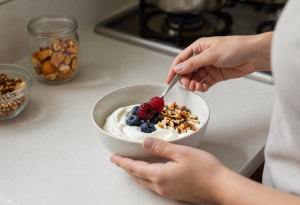
1. Eat Balanced Snacks (Protein + Fiber + Healthy Fats)
During busy holiday days, energy dips often happen between meals, especially if you rely on sugary treats or skip snacks altogether. Choosing snacks that combine protein, fiber, and healthy fats keeps blood sugar stable, curbs cravings, and helps you feel full longer.
Here are some practical snack options with approximate calories and fat per serving:
| Snack | Serving Size | Calories | Fat | Notes |
|---|---|---|---|---|
| Almonds | ¼ cup (28g) | 160 | 14g | Protein and healthy fat for satiety |
| Greek yogurt + berries | ½ cup yogurt + ½ cup berries | 120 | 2g | Protein + fiber; add 1 tsp chia seeds for extra fiber |
| Apple slices + almond butter | 1 medium apple + 1 tbsp nut butter | 160 | 8g | Combines natural sugar with healthy fat and protein |
| Cheese cubes + whole-grain crackers | 30g cheese + 3 crackers | 150 | 9g | Balanced protein and carbs |
| Hummus + veggie sticks | ¼ cup hummus + 1 cup carrot & cucumber sticks | 100 | 5g | Plant-based protein and fiber |
Tips for using these snacks during the holidays:
- Pre-portion snacks in small containers to control intake
- Keep them visible and accessible at home or work
- Pair snacks with a glass of water to enhance fullness
- Avoid mindless snacking while watching TV; sit down and enjoy your portion
Including these snacks before holiday events or parties can prevent reaching for sugar-heavy options and help maintain energy levels throughout the day.

2. Stay Hydrated
Even mild dehydration can sap energy, make you feel sluggish, and worsen sugar or caffeine cravings. During the holidays, it’s easy to forget water between meals, especially with alcohol, coffee, and festive treats. Staying hydrated helps your body maintain alertness, digestion, and overall energy.
Practical Hydration Tips:
- Aim for 6–8 glasses of water per day, adjusting for activity and climate.
- Start your day with water instead of coffee; it wakes up your metabolism naturally.
- Include herbal teas like peppermint or chamomile, which provide warmth and hydration without caffeine.
- Use sparkling water if plain water feels boring — just avoid added sugars.
- Alcohol awareness: Every alcoholic drink can dehydrate you, so follow with a glass of water.
Quick Holiday Hydration “Cheat Sheet”
| Drink | Serving | Calories | Notes |
|---|---|---|---|
| Water | 1 cup (240 ml) | 0 | Best for energy and hydration |
| Sparkling water | 1 cup (240 ml) | 0 | Adds variety without sugar |
| Herbal tea | 1 cup (240 ml) | 0–5 | Caffeine-free, calming |
| Coffee | 1 cup (240 ml) | 2–5 | Optional, but don’t overdo |
| Alcohol | 1 standard drink | 100–150 | Follow with water to prevent dehydration |
Tips for staying consistent:
- Keep a water bottle visible at your desk or in your bag
- Pair each snack or meal with a glass of water
- Track your intake if needed using a phone app or sticky notes
Hydration is one of the simplest ways to maintain energy naturally without relying on sugar or caffeine.

3. Don’t Skip Meals
During the holiday season, it’s easy to skip breakfast or lunch when mornings are rushed or events take priority. Skipping meals, however, can lead to low blood sugar, energy crashes, and overeating later in the day. Maintaining a regular eating schedule helps keep your energy levels stable and reduces cravings for sugar-laden snacks.
Practical Tips for Staying Consistent:
- Breakfast matters: Start your day with protein and fiber, like eggs with vegetables or Greek yogurt with fruit.
- Pack meals ahead: If you’re traveling or busy with events, bring a small meal or snack to avoid skipping.
- Regular intervals: Aim to eat every 3–4 hours to maintain steady blood sugar.
- Include protein at every meal: Helps maintain alertness and satiety.
- Balance holiday indulgences: Pair festive treats with protein, fiber, or healthy fat to slow sugar absorption.
Holiday-Friendly Meal Examples
| Meal | Serving Suggestions | Calories (approx.) | Notes |
|---|---|---|---|
| Breakfast | 2 boiled eggs + whole-grain toast + half avocado | 300 | Protein + healthy fat + fiber |
| Mid-morning snack | Apple + 1 tbsp almond butter | 160 | Prevents sugar cravings before lunch |
| Lunch | Grilled chicken salad with vegetables and olive oil dressing | 400 | Balanced protein and fiber |
| Afternoon snack | Greek yogurt + berries | 120 | Keeps energy steady before dinner |
| Dinner | Baked fish + roasted vegetables + quinoa | 500 | Balanced macronutrients for sustained energy |
Following a structured eating schedule reduces the risk of sugar crashes, caffeine dependency, and late-night fatigue during holiday festivities.

4. Move Your Body Daily
When routines are disrupted during the holidays, physical activity is often the first thing to drop. Long periods of sitting, traveling, or socializing can leave you feeling sluggish and low on energy. The good news is you don’t need intense workouts — even light movement can significantly boost energy levels.
Movement helps improve blood circulation, oxygen flow, and mental alertness, all of which naturally increase energy without relying on caffeine or sugar. It also helps regulate blood sugar levels, reducing the likelihood of crashes later in the day.
Practical Ways to Stay Active During the Holidays:
- Go for a short walk after meals (10–15 minutes can improve energy and digestion)
- Do quick home workouts (bodyweight exercises, stretching, or yoga)
- Stay active during social events by standing, moving, or helping in the kitchen
- Take movement breaks if you’ve been sitting for long periods
- Use mornings for movement to set your energy for the day
Simple Movement Ideas (No Gym Needed)
| Activity | Duration | Benefits |
|---|---|---|
| Walking | 10–20 minutes | Boosts circulation and energy |
| Stretching | 5–10 minutes | Reduces stiffness and fatigue |
| Bodyweight exercises | 10–15 minutes | Improves strength and alertness |
| Light yoga | 10–20 minutes | Enhances flexibility and relaxation |
Even small amounts of movement throughout the day can make a noticeable difference in how energized and alert you feel, especially during busy holiday schedules.

5. Get Morning Light
One of the most overlooked ways to boost energy naturally is exposure to natural light in the morning. During the holidays, late nights and sleeping in can disrupt your body’s internal clock (circadian rhythm), making it harder to feel alert during the day and sleep well at night.
Getting natural light early in the day helps reset your body clock, improve mood, and increase daytime energy levels — all without caffeine or sugar. It also supports better sleep later, which is one of the biggest drivers of sustained energy.
Why Morning Light Matters
- Signals your body to wake up and feel alert
- Helps regulate melatonin (sleep hormone)
- Supports more consistent energy levels throughout the day
- Can improve mood and reduce feelings of fatigue
Practical Ways to Get More Morning Light
- Step outside within 30–60 minutes of waking, even for 5–10 minutes
- Open the curtains and sit near a window while having breakfast
- Go for a short morning walk to combine movement and light exposure
- Avoid staying in dark rooms for long periods after waking
Quick Guide
| Habit | Time Needed | Benefit |
|---|---|---|
| Step outside | 5–10 minutes | Boosts alertness quickly |
| Morning walk | 10–20 minutes | Improves energy + mood |
| Sit near the window | 10–30 minutes | Supports natural wake cycle |
Even small changes, like stepping outside briefly or sitting in natural light, can make a noticeable difference in how energized you feel during the holidays.

6. Improve Sleep (Even Slightly)
Sleep is one of the biggest drivers of energy, yet it’s often the first thing disrupted during the holidays. Late nights, social events, travel, and irregular routines can all reduce sleep quality — leaving you feeling tired, foggy, and more likely to rely on caffeine or sugar the next day.
The good news is you don’t need perfect sleep to feel better. Even small improvements can significantly boost your energy, mood, and focus.
Why Sleep Matters for Energy
- Poor sleep reduces mental clarity and alertness
- Increases cravings for sugar and high-calorie foods
- Disrupts hormones that control hunger and energy
- Leads to daytime fatigue, even after caffeine
Practical Ways to Improve Sleep During the Holidays
- Keep a consistent bedtime (even within 30–60 minutes)
- Limit screens before bed to reduce blue light exposure
- Create a wind-down routine (reading, stretching, or quiet time)
- Avoid heavy meals or alcohol close to bedtime
- Keep your bedroom cool, dark, and quiet
Quick Sleep Habits Guide
| Habit | Impact on Energy |
|---|---|
| Consistent sleep time | Helps regulate energy levels |
| Reducing screen time | Improves sleep quality |
| Wind-down routine | Signals the body to relax |
| Limiting late eating | Prevents disrupted sleep |
Even improving your sleep by 30–60 minutes per night can make a noticeable difference in how energized you feel the next day.
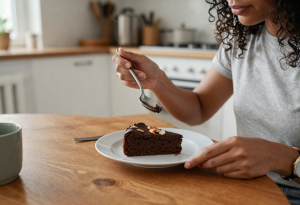
7. Reduce Sugar Spikes
Holiday treats are everywhere — desserts, drinks, and snacks — and while they’re part of the fun, they can quickly lead to energy spikes followed by crashes. These rapid changes in blood sugar are one of the main reasons people feel tired, sluggish, and reach for more caffeine or sugar later in the day.
The goal isn’t to avoid sugar completely, but to manage how and when you have it so your energy stays more stable.
Why Sugar Spikes Affect Energy
- Causes a quick rise in energy, followed by a sudden crash
- Increases cravings for more sugar shortly after
- Can leave you feeling tired, irritable, and unfocused
- Encourages a cycle of relying on sugar for quick energy
Practical Ways to Reduce Sugar Crashes
- Pair sweets with protein or fat (e.g., dessert with nuts or yogurt)
- Avoid eating sugary foods on an empty stomach
- Choose smaller portions instead of large servings
- Eat slowly and mindfully to avoid overeating
- Balance your meals earlier in the day to reduce cravings later
Smarter Holiday Choices
| Instead of | Try This | Why It Helps |
|---|---|---|
| Sugary desserts alone | Dessert + nuts or yogurt | Slows sugar absorption |
| Large dessert portions | Smaller portion | Reduces spikes and crashes |
| Sugary drinks | Sparkling water or herbal tea | Avoids liquid sugar |
| Grazing all day | Planned treats | Prevents constant sugar intake |
Managing sugar intake doesn’t mean missing out — it simply helps you enjoy treats without the energy crash that follows.

Frequently Asked Questions
1. How can I stay energized during the holidays without coffee?
You can stay energized naturally by focusing on balanced meals, hydration, movement, and sleep. Small habits like eating regularly, getting morning light, and staying active can significantly improve energy levels without relying on caffeine.
2. What foods help boost energy naturally?
Foods that combine protein, fiber, and healthy fats are best for steady energy. Examples include Greek yogurt with berries, nuts, eggs, and whole grains. These help stabilize blood sugar and prevent energy crashes.
3. Why do I feel so tired during the holidays?
Holiday fatigue is often caused by late nights, sugar intake, alcohol, poor sleep, and irregular meals. These factors disrupt your body’s natural rhythm and lead to dips in energy throughout the day.
4. Can reducing sugar really improve energy levels?
Yes. Reducing sugar helps prevent rapid spikes and crashes in blood sugar, which are a major cause of fatigue. Pairing sweets with protein or fat can help minimize these effects.
5. How much water should I drink to maintain energy?
A general guideline is 6–8 glasses of water per day, but this can vary depending on activity levels and climate. Staying hydrated is one of the easiest ways to maintain consistent energy.
Staying energized during the holidays doesn’t require relying on caffeine or sugar — it comes down to consistent, simple habits. According to the Cleveland Clinic, factors like hydration, balanced nutrition, and sleep play a key role in maintaining steady energy and preventing fatigue. The Mayo Clinic also highlights that focusing on whole, balanced foods supports overall energy and health.
