

If you’ve ever wondered why you feel heavier at night, you’re not alone. Many people notice their body feels fuller, tighter, or slightly heavier by the end of the day—even if they haven’t overeaten. This can feel confusing, especially if you’re trying to stay on track with your health or weight goals.
The good news is that this is completely normal. Your body naturally changes throughout the day due to factors like food intake, hydration, digestion, and even posture. By nighttime, your body has had hours to process meals, hold onto fluids, and build up temporary weight from everything you’ve eaten and drunk.
In most cases, this “heavier” feeling has nothing to do with fat gain. Instead, it’s a normal part of how your body functions on a daily cycle. Understanding what’s happening can help you feel more reassured—and less stressed about what the scale or your body feels like at night.

Why You Feel Heavier at Night
It’s completely normal to feel heavier at night, and it doesn’t mean you’ve gained fat during the day. In most cases, it simply reflects everything your body has taken in and processed over several hours.
From morning to evening, your body gradually builds up food, fluids, and waste. Every meal, snack, and drink adds temporary weight as it moves through your digestive system. By the end of the day, your body is naturally “fuller” than it was when you first woke up.
Digestion also plays a big role. Food takes time to break down, and it can sit in your stomach and intestines for hours. This can create a feeling of heaviness, especially after larger meals or foods that are harder to digest.
Fluid balance is another factor. As you eat and drink throughout the day—especially foods higher in salt—your body may hold onto extra water. This can lead to a slightly heavier feeling or mild puffiness by the evening.
Even posture and gravity contribute. After being upright all day, fluids can shift downward in your body, which may make your stomach area feel more bloated or heavy compared to the morning.
All of these changes are temporary and completely normal. Your body resets overnight, which is why you often feel lighter again the next day.
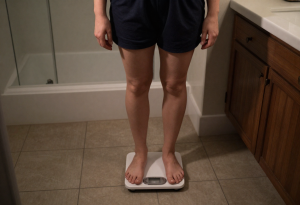
You Didn’t Gain Fat Overnight — Here’s Why
It might feel like you’ve gained weight by the end of the day, but the truth is—you didn’t gain fat overnight. Real fat gain takes time and happens when you consistently eat more calories than your body needs over days or weeks, not just a single day.
What you’re feeling is temporary weight from food, fluids, and digestion. Every time you eat or drink, that adds physical weight to your body until it’s fully processed. This is completely normal and expected.
Your body also stores carbohydrates as glycogen, which holds onto water. This means if you’ve eaten foods like bread, pasta, or snacks during the day, your body may be holding extra water along with it. That can make you feel slightly heavier, even though it’s not body fat.
On top of that, sodium (salt) can cause your body to retain more fluid. So if you’ve had a salty meal, takeaway food, or snacks, it’s common to feel a bit more bloated or puffy later in the evening.
The key thing to remember is that these changes are short-term. Your body naturally balances things out overnight through digestion, hydration, and normal bodily processes. That’s why you usually feel lighter again in the morning.

Common Reasons You Feel Heavier at Night
By the end of the day, your body has gone through hours of eating, drinking, and digesting. The heavier feeling you notice isn’t caused by one single thing—it’s a combination of small changes happening inside your body at the same time.
Your Body Is Holding More Volume
In the morning, your body is naturally lighter because you haven’t eaten or drunk anything for several hours. As the day goes on, everything you consume adds volume inside your body. This includes food, fluids, and even waste that hasn’t been fully processed yet.
By nighttime, your body is simply carrying more than it was earlier in the day.
Your Digestive System Slows Down
Digestion isn’t constant throughout the day. It tends to slow slightly in the evening, especially if you’re less active. This means food can sit in your digestive system longer, which can increase that feeling of fullness or heaviness.
Larger or late meals can make this even more noticeable.
Fluid Shifts From Being Upright All Day
When you’re standing or sitting for long periods, gravity causes fluids in your body to shift downward. This can lead to a feeling of heaviness, especially in the lower body or abdominal area.
It’s subtle, but enough for many people to notice a difference by the evening.
Your Body Is in “End-of-Day Mode”
By nighttime, your body is naturally winding down. Energy levels drop, movement decreases, and digestion becomes less active. All of this can make your body feel slower, heavier, and more sluggish compared to how you felt earlier in the day.
These changes are completely normal and happen to almost everyone. They’re part of your body’s natural daily rhythm—not a sign that something is wrong.
How Much Your Weight Can Change in a Day
Your body weight isn’t fixed—it naturally changes throughout the day. While it might feel surprising, these fluctuations are completely normal and happen to everyone.
For most people, weight can vary by around 0.5 to 2 kilograms (1 to 4 pounds) in a single day. This doesn’t reflect fat gain or loss. Instead, it’s influenced by things like how much you’ve eaten, how hydrated you are, and how your body is processing food.
Several factors can affect these daily changes, including:
- How much food is still being digested
- fluid intake and hydration levels
- Salt intake and water retention
- bowel movements
- physical activity during the day
Because of this, your weight in the evening will almost always be higher than in the morning—and that’s completely normal.
This is also why weighing yourself at the same time each day (usually in the morning) gives a more consistent and accurate picture over time.

When Feeling Heavier Could Be a Concern
In most cases, feeling heavier at night is completely normal and nothing to worry about. However, there are times when it may be a sign of something that needs a closer look.
If the feeling of heaviness is persistent, uncomfortable, or getting worse over time, it’s worth paying attention to. This is especially true if it’s not clearly linked to your eating habits or daily routine.
Some signs that may need medical attention include:
- rapid or unexplained weight gain
- swelling in the legs, ankles, or abdomen
- Ongoing bloating that doesn’t improve
- pain or discomfort after eating
- sudden changes in digestion
According to the Cleveland Clinic, fluid retention, digestive issues, and certain medical conditions can sometimes cause noticeable changes in how your body feels or holds weight. While occasional fluctuations are normal, ongoing or severe symptoms shouldn’t be ignored.
If you’re unsure, it’s always a good idea to speak with a healthcare provider. They can help rule out any underlying issues and give you clear guidance based on your situation.

Simple Ways to Reduce That Heavy Feeling at Night
Even though feeling heavier at night is normal, there are some simple habits you can follow to help reduce that feeling and feel more comfortable by the evening.
Eat Slower and Mindfully
Eating too quickly can lead to swallowing extra air and may increase bloating. Taking your time and chewing food thoroughly helps your digestive system process meals more efficiently.
Watch Sodium Intake
High-salt foods can cause your body to retain water, which adds to the heavier feeling. Try to limit highly processed or takeaway meals in the evening.
Stay Hydrated
Drinking enough water throughout the day helps your body maintain fluid balance. Oddly enough, staying hydrated can actually reduce water retention caused by salty meals.
Light Movement After Meals
Gentle activity, like a short walk after dinner, can help your body digest food more efficiently and reduce bloating.
Avoid Large Late Meals
Eating very large meals right before bed can make your digestive system work harder overnight. Try to have your last substantial meal a few hours before sleep.
By following these habits, you can often reduce the evening heaviness and feel more comfortable without making major changes to your diet or lifestyle.

Frequently Asked Questions
1. Why do I weigh more at night than in the morning?
It’s completely normal for your weight to fluctuate throughout the day. By night, your body has processed meals, held onto fluids, and stored energy from food. These temporary changes can make you feel heavier, even though it’s not fat gain.
2. Is it normal to feel heavier at night without overeating?
Yes. Daily weight fluctuations are common and usually reflect food, fluids, digestion, and posture rather than actual fat gain. Feeling heavier at night is a natural part of your body’s daily rhythm.
3. Can I prevent feeling heavier at night?
While you can’t stop natural weight changes, habits like eating more slowly, limiting high-salt foods, staying hydrated, and gentle activity after meals can help reduce bloating or fluid retention that contributes to the heaviness.
4. When should I be concerned about feeling heavier at night?
Seek medical advice if you notice rapid or unexplained weight gain, persistent bloating, swelling, or digestive issues. These could indicate an underlying medical condition rather than normal daily fluctuations.
5. Does feeling heavier at night mean I’ve gained fat?
No. Fat gain occurs over time from consistently consuming more calories than your body uses. Short-term weight changes by evening are temporary and mostly due to digestion, fluid retention, and natural body rhythms.
Chronic or persistent feelings of heaviness can stem from normal daily fluctuations in food, fluid, and digestion rather than actual fat gain. According to the Cleveland Clinic, factors such as fluid retention, digestive processes, and food volume can make your body feel heavier by the evening, and these changes are typically temporary. Lifestyle habits like mindful eating, moderating salt intake, staying hydrated, and light movement can help manage evening heaviness. However, if you experience rapid, unexplained weight gain or persistent discomfort, it’s important to consult a healthcare provider for proper evaluation.
